REVIEW · OAXACA
Natural Dyeing and Organic Weaving Workshop in Oaxaca
Book on Viator →Operated by Casa de los Angeles-Ancestral Weaving Experiences · Bookable on Viator
Color starts with insects and plants here, at a family workshop in Teotitlán where you build loom-ready reeds, dye fiber naturally, and weave a small souvenir.
I love the hands-on pace, because you wash wool and work the loom yourself. I also love the start of the day: a copal cleansing ceremony and a Zapotec breakfast with yema bread and chocolate.
One possible drawback: you’ll be actively doing work with your hands for about four hours, so plan for a hands-on day (and expect a little mess from dye and plant materials).
In This Review
- Key Highlights You’ll Care About
- Teotitlán’s Natural Dyeing and Weaving, from Fiber to Finished
- Starting the Day with Copal Cleansing and Zapotec Breakfast
- Learning the Materials: Wool, Carrizo Reed, and the Plants Behind Color
- Wool and Thread Washing: The Prep Step That Makes Natural Dye Work
- Natural Dyeing with Plants and Insects (Including Cochineal and Indigo)
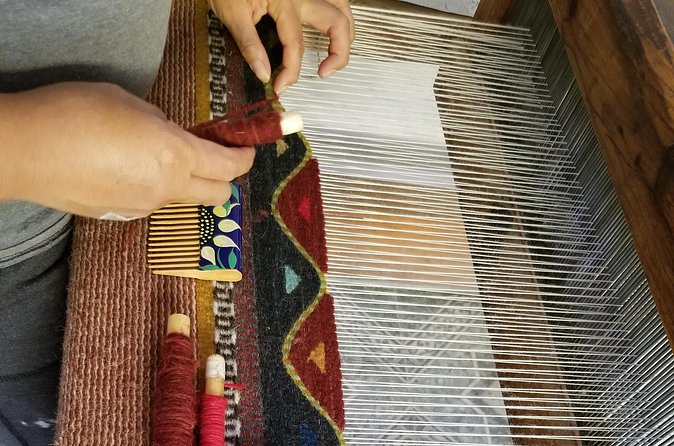
- Weaving Time: You Create a Small Piece to Take Home
- Price and Logistics: How to Plan a Smooth Oaxaca Workshop Day
- Who This Workshop Fits Best (and Who Might Want Something Else)
- Final Verdict: Should You Book Casa de los Ángeles?
- FAQ
- What is the duration of the Natural Dyeing and Organic Weaving Workshop?
- Where does the workshop take place?
- Is pickup available from Oaxaca City?
- What time does the workshop start?
- What’s included in the workshop?
- Do I get to take something home?
- Is this a group tour?
- What should I know about fitness and getting around?
- What happens if weather is bad?
Key Highlights You’ll Care About
- Copal cleansing ceremony to welcome good energy before you touch fiber
- Zapotec breakfast with yema bread, chocolate, and local snacks
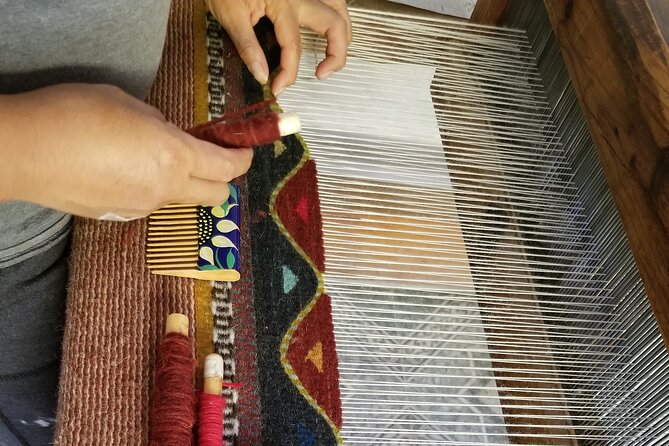
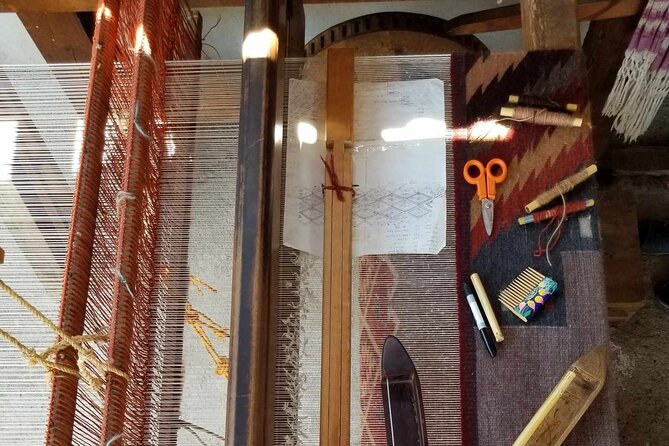
- Carrizo reed loom tubes and the materials that make weaving possible
- Washing wool and threads before color work, so dye takes properly
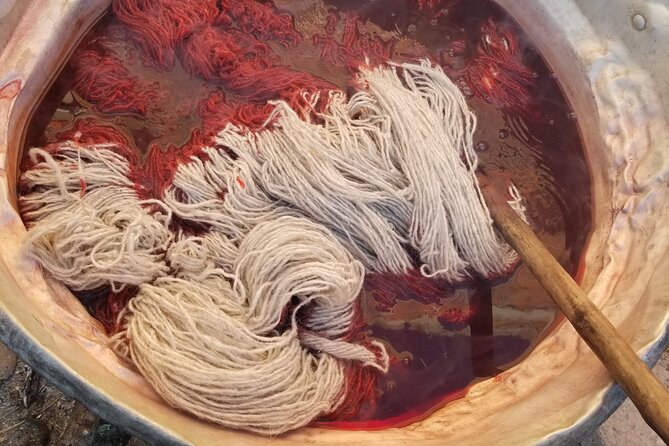
- Natural dyes using plants and insects, including cochineal and indigo
- A take-home woven piece you make yourself during the session
Teotitlán’s Natural Dyeing and Weaving, from Fiber to Finished
This is the kind of Oaxaca workshop that doesn’t treat weaving like a show-and-tell. You get the real sequence: welcoming ceremony, materials, prep work, natural dyeing, then weaving something you can actually keep. It’s also paced like a family process, not a rushed demo.
Set in Teotitlán del Valle, you’ll learn why this area matters for traditional textiles. Even if you’ve seen woven rugs in Oaxaca City, the workshop gives you the behind-the-scenes part: how the fibers are prepared, how the loom is assembled with carrizo reed tubes, and how color comes from natural sources rather than chemicals.
At $60 per person for about four hours, it’s priced for a focused cultural workshop with hands-on time. If you like crafts where you can feel the steps under your fingers, it’s a strong value.
You can also read our reviews of more tours and experiences in Oaxaca.



Starting the Day with Copal Cleansing and Zapotec Breakfast
The morning begins with a traditional cleansing ceremony using herbs and copal. It’s not just a dramatic start for tourists; it’s meant to set the tone for the work you’re about to do. Expect a calm, respectful moment before the practical stuff begins.
Afterward, you’ll eat a Zapotec breakfast. The basics include yema bread, chocolate, and other local snacks. This part matters more than you might think. Weaving days can be long on the hands and short on comfort, and a proper breakfast keeps you steady before the fiber prep and dye stages.
If you have dietary restrictions, the tour details don’t spell everything out. You’ll want to ask ahead, especially about what’s included in the chocolate and snack variety.
Learning the Materials: Wool, Carrizo Reed, and the Plants Behind Color
Next comes the materials talk—and it’s one of the best parts if you enjoy understanding how things work. You’ll go through the natural components used in the weaving process, including how carrizo (reed) is used to make the loom’s tubes.
You also learn about plant-based ingredients, including how natural materials get collected and used. This step turns weaving from a single craft into a whole system. You start seeing the logic: fiber quality, loom structure, then dye chemistry (the natural kind).
Why I like this portion for you: it gives context while you’re still fresh and curious. By the time you reach the dyeing stage, you’re not just following steps—you know what each ingredient is doing.
And because it’s a family workshop, the teaching style tends to feel practical. You’re likely to get answers to the questions people really ask: What makes the wool behave differently? Why wash first? What happens when dye sources vary?
Wool and Thread Washing: The Prep Step That Makes Natural Dye Work
Before color, you’ll wash the wool and threads. This is a key detail that often gets skipped in casual craft experiences, but here it’s part of the actual process.
Washing matters because natural dye needs a clean surface to take evenly. If you’ve ever tried to dye something at home and gotten patchy results, you already know the frustration. This prep step is the difference between a classroom experiment and something that looks like traditional textile work.
You’ll also learn the practical rhythm of handling fiber. Even if you’re not creating a full rug, you’re working with the same basic logic: prep carefully, then dye carefully.
Wear clothes you don’t mind getting stained. Natural doesn’t always mean clean. Plant pigments and cochineal tones can cling a bit—especially during active handling.
Natural Dyeing with Plants and Insects (Including Cochineal and Indigo)
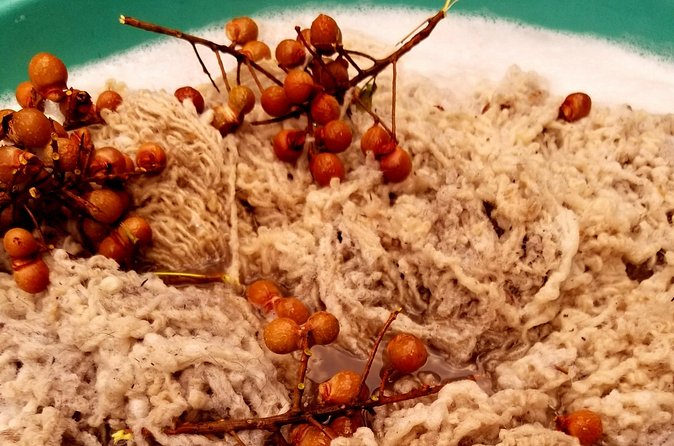
Now for the part most people come for: natural dyeing. The workshop includes natural dyes and dye sources such as cochineal and indigo, plus other plant-based materials.
Cochineal is the headline ingredient because it’s insect-based. You’re not just told that it exists—you’re part of the natural dye process using these sources. Indigo adds another layer of complexity, since it’s known for its characteristic deep tones.
What to expect during dyeing:
- You’ll hear how plants and insect-based materials are used to create color
- You’ll see the process from material handling to dye application
- You’ll get chances to work with the dye stage as the day moves forward
Because the tour description specifies plants and insects, the workshop aims to show more than one type of color source. That variety is valuable. It teaches you that traditional weaving palettes weren’t random. They were built from what people could gather and process locally.
Practical note: natural dye can smell earthy or medicinal during active preparation. That’s normal. It should fade, but you may want to change clothes after.


Weaving Time: You Create a Small Piece to Take Home
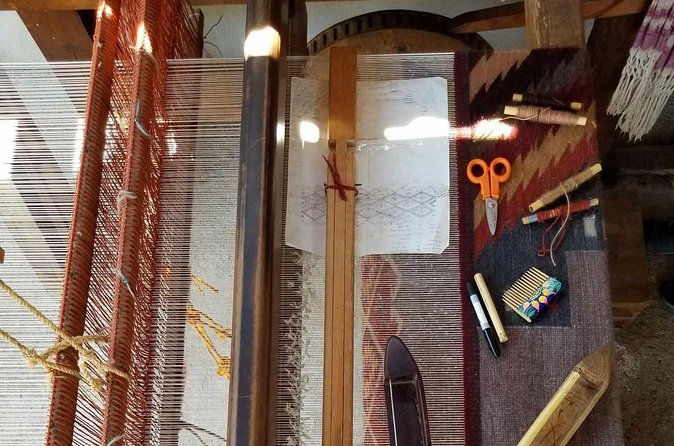
After a light meal, you move into weaving. This is where you turn everything you learned—fiber prep and dye—into a tangible product.
You’ll create a small piece during the workshop, and it becomes your take-home souvenir. Even if it’s not a massive woven rug, the value is in the experience: you’ll understand the loom structure, how threads are handled, and how the pattern comes together.
This is also why the workshop format works so well for visitors. You’re not leaving with a story only. You’re leaving with proof you followed the steps yourself.
If you’re curious about patterning, the workshop doesn’t list specific designs, but you’ll likely learn how to manage the weaving mechanics while working on your piece. In other words, the focus is on the method, not on perfecting a complex pattern in one afternoon.
Price and Logistics: How to Plan a Smooth Oaxaca Workshop Day
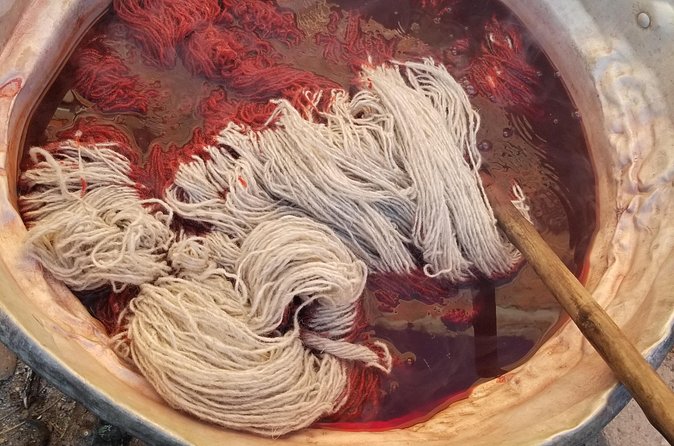
At $60 per person, you’re paying for a four-hour, hands-on cultural craft experience with natural materials included—natural wool and natural dyes, and dye sources like cochineal and indigo. For Oaxaca, that’s a fair cost if you value the full sequence: ceremony, breakfast, dye process, and weaving participation.
Transportation is the only clear “maybe headache” item. The workshop doesn’t include private transportation. You can come directly to the family workshop in Teotitlán, or you can request pickup and return transportation from Oaxaca City for an extra fee.
Two planning tips that help:
- If you’re staying in Oaxaca City, ask early about pickup availability so you don’t lose time organizing the day.
- Build in buffer time for the trip to Teotitlán del Valle. Even if you leave on schedule, traffic and local timing can shift.
The workshop starts at 10:00 am at 20 de Noviembre 3, Tecutlan, 70420 Teotitlán del Valle, Oax., Mexico. It ends back at the meeting point.
Also: it’s a private tour/activity, so it’s only your group. That matters for crafts. Less waiting. Fewer interruptions. More personal guidance.
Who This Workshop Fits Best (and Who Might Want Something Else)
This experience is a good match if you want:
- An authentic, hands-on textile day in Oaxaca
- Real exposure to natural dyes (including cochineal and indigo)
- A take-home woven piece you made yourself
- A small-group feel, since it’s private
You don’t need special athletic training, but the information says a moderate physical fitness level is recommended. Translation: you’ll likely be standing, sitting, and working with your hands for a few hours.
If you prefer a relaxing, sit-down museum-style experience, this may feel too active. But if you like crafting, learning, and getting your hands involved, you’ll probably consider it one of the more memorable Oaxaca activities.
Final Verdict: Should You Book Casa de los Ángeles?
If you’re choosing between an Oaxaca craft workshop that’s mostly watching and one where you do the work, book the hands-on version. This workshop gives you the full chain—copal cleansing, Zapotec breakfast, material collection and carrizo reed loom tubes, wool washing, natural dyeing with plants and insects, then weaving your own small piece.
I’d say book it if you care about value. At $60, you’re not paying just for a product. You’re paying for time, guidance, and the practical steps behind traditional color and weaving.
Skip it only if you know you hate getting involved with manual work for hours, or if you’re unwilling to travel to Teotitlán del Valle. Otherwise, this is a standout Oaxaca craft day.
FAQ
What is the duration of the Natural Dyeing and Organic Weaving Workshop?
It lasts about 4 hours.
Where does the workshop take place?
The start point is at 20 de Noviembre 3, Tecutlan, 70420 Teotitlán del Valle, Oax., Mexico.
Is pickup available from Oaxaca City?
Transportation isn’t included, but pickup can be arranged for an additional fee. You can also come directly to the workshop in Teotitlán.
What time does the workshop start?
The start time is 10:00 am.
What’s included in the workshop?
The tour includes natural wool and natural dyes, including cochineal and indigo (plus other natural materials used in the dyeing process).
Do I get to take something home?
Yes. You’ll create a small woven piece during the workshop that you can take home.
Is this a group tour?
It’s described as private, so only your group participates.
What should I know about fitness and getting around?
The workshop recommends a moderate physical fitness level. It’s also stated to be near public transportation.
What happens if weather is bad?
The experience requires good weather. If it’s canceled due to poor weather, you’ll be offered a different date or a full refund.