REVIEW · OAXACA STATE
✨Make chocolate to take home Oaxacan style ☕️✨
Book on GetYourGuide →Operated by Etnofood · Bookable on GetYourGuide
Cacao turns into craft at Teolab. This Oaxaca workshop is built around a cocoa tradition passed through generations, with a master chocolatier guiding you step by step in a real hands-on setting, not a lecture hall, and the three-generation theme is more than a slogan.
I like that you’re not just tasting—you’re making. You’ll mold your own chocolate during the class, then take home 150 grams designed by you, which makes the experience feel genuinely useful (and not just fun for the moment). One thing to consider: it’s only about 2.5 hours, so it’s best if you want a chocolate-focused stop, not a full-day Oaxaca cultural tour.
In This Review
- Key things to know
- Finding Teolab: where cacao work happens (and how to spot it)
- The 2.5-hour chocolate class flow: what you actually do
- 1) Warm welcome and cacao context
- 2) Step-by-step making, guided the whole time
- 3) Tasting your own chocolate creations
- 4) Leave with chocolate you designed
- The generational cocoa angle: why it feels more authentic
- What you learn about chocolate types (and why it affects your end result)
- Tools, techniques, and the molding moment you’ll remember
- Coffee or tea, snacks, and the tasting setup
- How the price works out at $64 per person
- Who this workshop is ideal for (and who should skip it)
- Great fit if you want
- Maybe not the best fit if you want
- Accessibility and practical comfort: what to expect before you go
- Should you book the Oaxaca chocolate-making class?
- FAQ
- How long is the chocolate-making experience?
- How big is the group?
- Where do I meet for the class?
- What languages are available?
- What’s included in the price?
- Can I request coffee?
- How much chocolate do I take home?
- Is alcohol allowed?
- Is it wheelchair accessible?
- What are the cancellation and payment options?
Key things to know
- Teolab workshop setting: A dedicated lab space where tools and molds are part of the process, not props.
- Hands-on cocoa craft: You learn ingredient selection and molding technique, then do it yourself.
- Take-home payoff: You leave with 150 grams of chocolate you made.
- Small group format (up to 6): Easier to ask questions and get close guidance while you work.
- English or Spanish instruction: Your instructor guides the steps in either language.
- Extra flavor time: You start with chocolate or tea, and you can request coffee or tea on arrival.
Finding Teolab: where cacao work happens (and how to spot it)
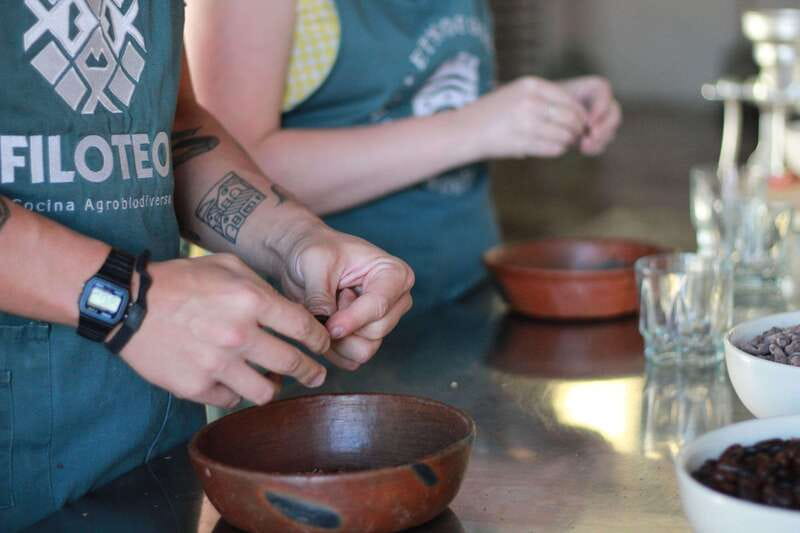
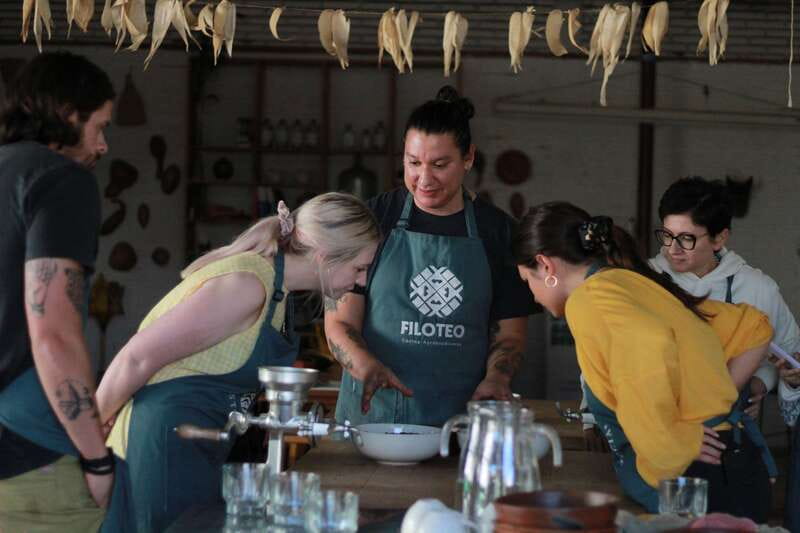
The meeting point is Teolab, a workshop space that also functions as a chocolateria. If you’re visual and need an easy marker, look for the words FILOTEO on the outside, plus a big dog on the façade—handy when you’re walking the streets and trying to line up your timing.
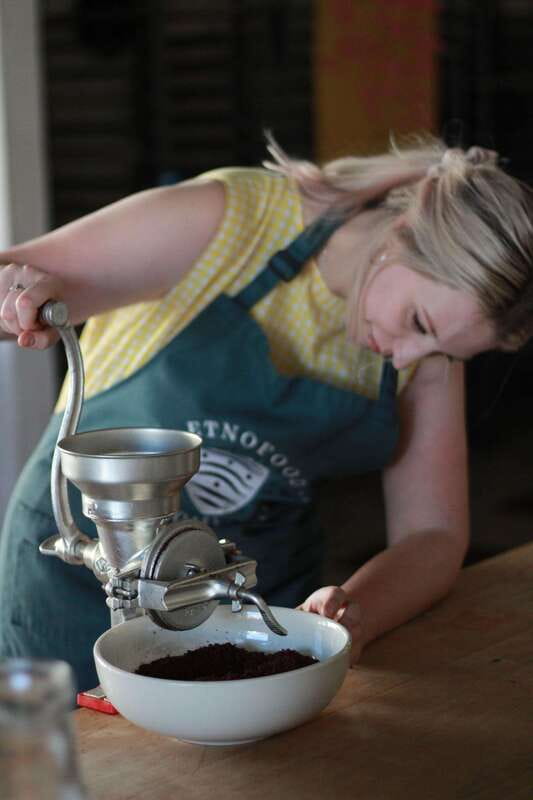
This location matters because it sets expectations. You’re not meeting in some random café corner. You’re going to a working chocolate lab, where aprons, grinders, stoves, and molds are part of the routine, and that makes the class feel grounded and practical.
You can also read our reviews of more tours and experiences in Oaxaca State.

The 2.5-hour chocolate class flow: what you actually do
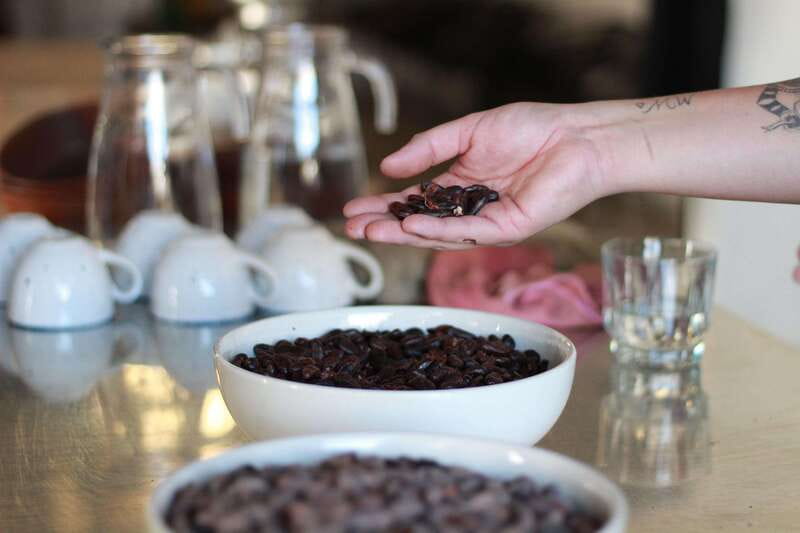
This is a tight, well-paced session (about 2 hours 30 minutes). The structure is simple: welcome and context, guided making, tasting, then a take-home finish.
1) Warm welcome and cacao context
You start with a reception that eases you in. Then the instructor gives an intro that covers two things you’ll use later: where chocolate comes from and how different chocolate types behave. It’s not just trivia. Understanding the origin and differences helps you make sense of why some results taste one way and not another.
2) Step-by-step making, guided the whole time
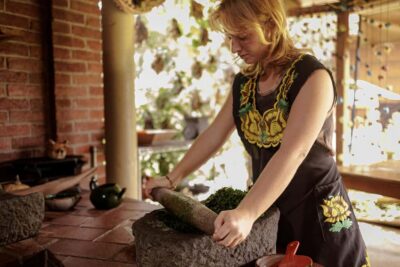
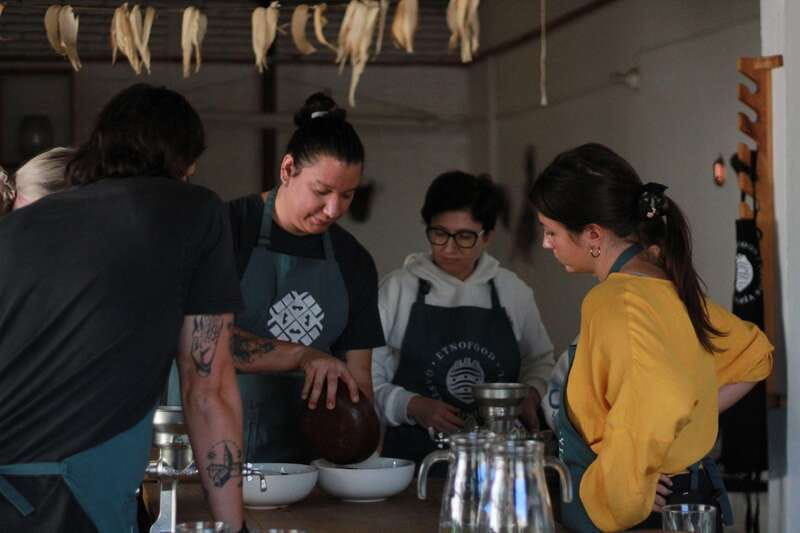
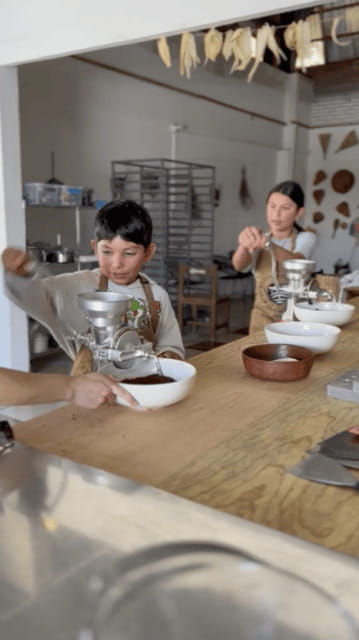
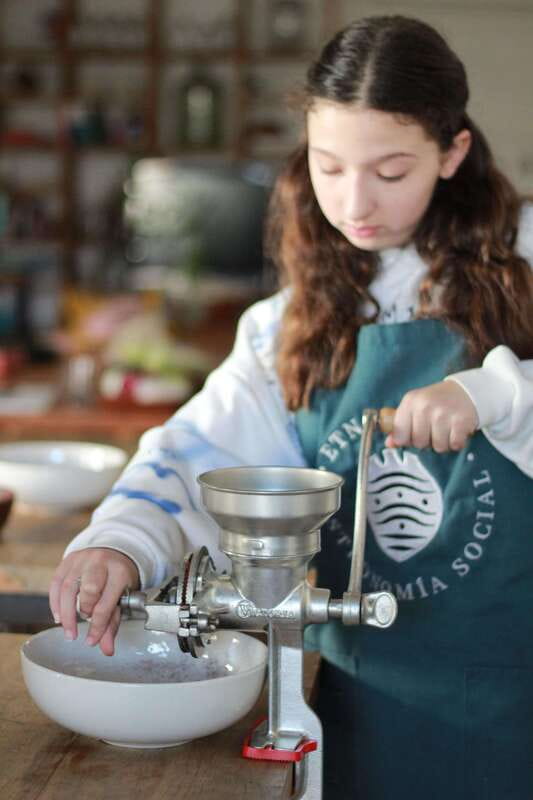
Next comes the hands-on part. An expert chocolatier walks you through the process from ingredient selection to the molding technique. You’ll be working at a station with the materials provided—things like grinders, stoves, and molds—so you’re using the same basic workflow a chocolatier uses, just at a visitor-friendly pace.
A big reason this works is group size. Because it’s limited to 6 participants, you get space to work and you’re not stuck waiting for long stretches while someone else finishes a step. That matters when you’re dealing with chocolate handling, timing, and texture.
3) Tasting your own chocolate creations
Once the chocolates are ready to taste, that’s when it all clicks. You get to try what you made, not just samples poured by someone else. Expect to pay attention to sweetness, texture, and overall quality—because you’ve just made it, you’ll notice things you usually miss when chocolate shows up as a finished bar at the store.
4) Leave with chocolate you designed
Finally, you’ll take home 150 grams of chocolate you created. This is one of those details that sounds small until you remember how often food experiences end with a photo and a memory. Here, you get something you can actually share.
The generational cocoa angle: why it feels more authentic
The class presents cocoa as craft, not commodity. The story is about generational knowledge—passed down, practiced, and refined—so you’re learning techniques tied to a lineage rather than a generic method.
That “family workshop” vibe shows up in how your instructor teaches: calm pacing, lots of questions welcomed, and a focus on why each step matters. In past sessions, guides like Roberto or Tomas have leaned into passion for cacao and the real-world reasons behind the process, including how they learned methods from older hands (like grandmother-level technique).
Even if you don’t care about backstory, you’ll still benefit. When you know why something is done a certain way—especially with chocolate—you’re more likely to produce something that tastes right, not just looks right.
What you learn about chocolate types (and why it affects your end result)
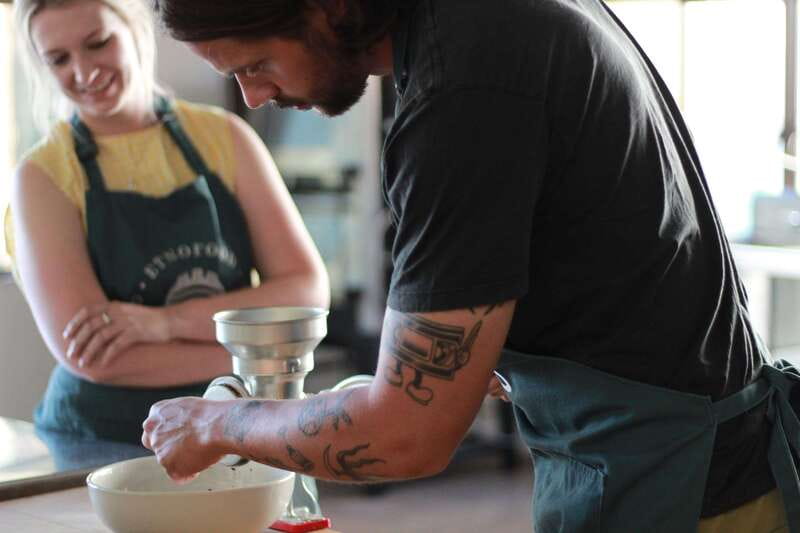
You get an overview of the diversity of chocolate types and what makes them different. The practical value here is that you start thinking like a maker. Instead of only asking what chocolate tastes like, you learn to ask how it changes with:
- ingredients
- handling
- and the way it’s molded and finished
You also hear the history and origin of chocolate in a way that connects to Mexico and cacao’s roots. That context gives the tasting a backbone. Chocolate stops being a single flavor and becomes a spectrum of styles you can recognize.
This is also where the sustainability message fits. The experience talks about sustainability alongside flavor—basically, connecting what ends up in your chocolate to how cocoa is grown and handled. You won’t leave with a farm-to-finished-map of every ingredient (no data is given at that level here), but you will walk away thinking about cacao as a whole system.
Tools, techniques, and the molding moment you’ll remember
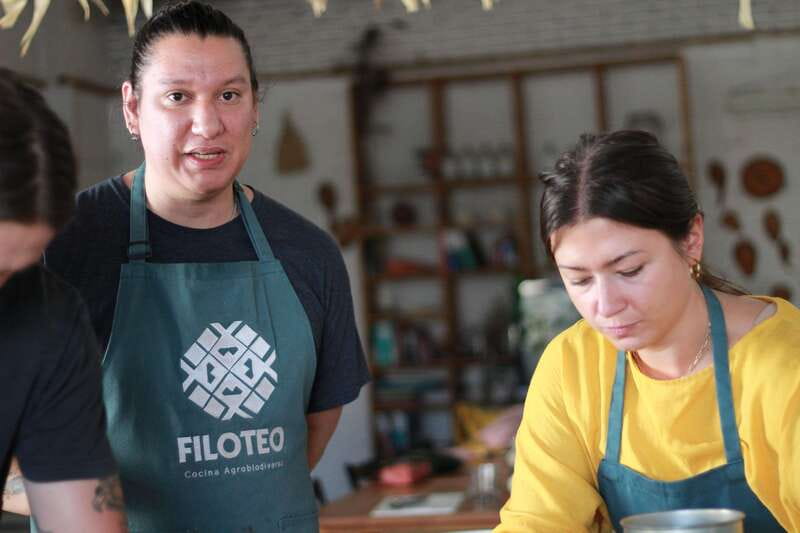
Here’s the part you should be ready for mentally: you’re working hands-on with chocolate. You’ll wear an apron, and you’ll use the workshop equipment like grinders, stoves, and molds.
That molding technique is the real “wow” step. It’s also where your training pays off quickly: you see how small changes can affect how the chocolate sets, how it comes out of the mold, and how the final texture feels when you taste it.
If you’re the kind of person who likes doing things with your hands, this section is the heart of the value. You’re not watching a demonstration and hoping for the best. You actively shape the outcome.
Coffee or tea, snacks, and the tasting setup
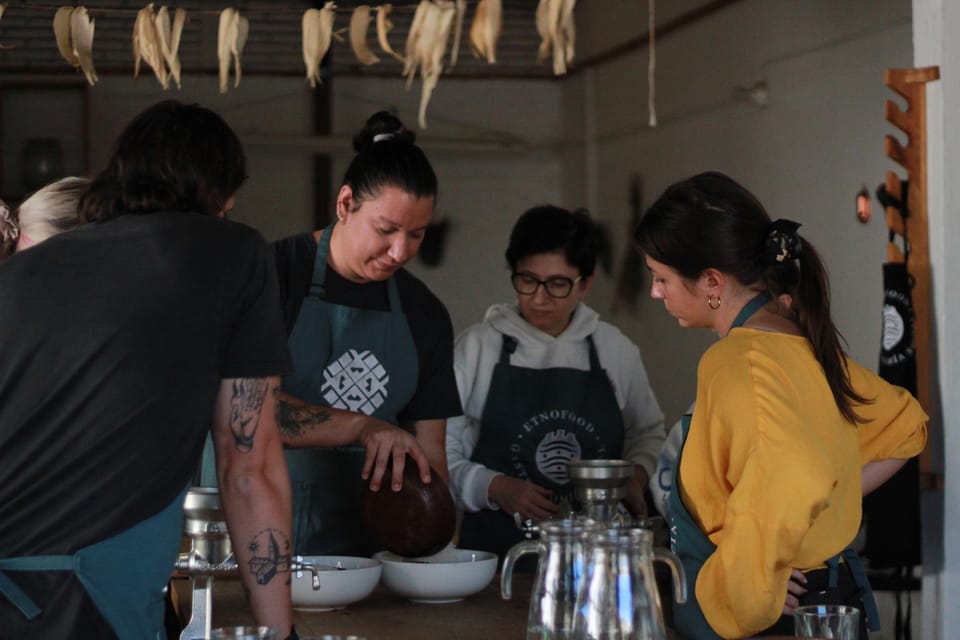
Included is chocolate or tea to start, plus snacks during the session. You can request coffee or tea upon arrival, which is great if you prefer coffee’s bitterness to balance the sweetness.
You’ll also have bottled water, and they provide access to water while avoiding plastic bottles. That’s a nice detail in a workshop setting, where you’re standing, working, and eating. It keeps the class comfortable without adding waste.
How the price works out at $64 per person
$64 for 2.5 hours with a small group, expert instruction, snacks, water, equipment, and 150 grams of take-home chocolate is a pretty strong value—especially because you’re not paying just to taste. You’re paying to learn a process and walk away with something you made.
In practice, the cost covers:
- the instructor’s time in English or Spanish
- the tools and ingredients used while you create your chocolate
- the hands-on supervision (more important than you might think with something as finicky as chocolate)
- the final take-home portion, which makes the class feel like a souvenir you’ll actually use
If your travel style leans toward practical, edible skills, it’s one of the better “food class” prices you’ll run into in Oaxaca. If you only want a quick snack experience, you might feel it’s pricier than a café visit—but that’s like comparing a movie ticket to a cooking lesson. Different goals.
Who this workshop is ideal for (and who should skip it)
Great fit if you want
- a hands-on Oaxaca food experience in about 2.5 hours
- small group attention (limited to 6 participants)
- instruction in English or Spanish
- a real take-home chocolate gift at the end
Maybe not the best fit if you want
- a long, sightseeing-heavy day
- an alcohol-centered social vibe (alcohol is not allowed)
- a passive, sit-back-and-watch activity
It’s also a good choice for families who want something structured. Baby strollers can access the space, and baby accommodations are handled by having babies sit on an adult’s lap.
Accessibility and practical comfort: what to expect before you go
This experience is wheelchair accessible, including access for wheelchairs across transports and surfaces in the setup. Baby strollers are also supported. Guide animals are allowed.
A practical note: babies must sit on an adult’s lap, so plan accordingly if you’re traveling with an infant.
If you have specific accessibility needs beyond what’s listed, you’ll want to confirm details before booking. But based on the information provided here, the workshop is designed to be workable for a range of visitors.
Should you book the Oaxaca chocolate-making class?
Book it if you want a short, satisfying Oaxaca experience where you leave with chocolate you made, not just chocolate you ate. The small group size and the step-by-step guidance make it more approachable than many “chocolate tours” that turn into tastings only. And the take-home 150 grams is a real quality-of-life upgrade for the rest of your trip.
Skip it if your goal is pure sightseeing, or if you’re hoping for an alcohol-friendly evening hangout. This is a craft class first—focused, hands-on, and designed around learning how cacao becomes finished chocolate.
If you’re anywhere near Teolab at a time slot that matches your schedule, it’s an easy yes for people who like real food skills, good chocolate, and a workshop you can actually picture yourself repeating later at home.
FAQ
How long is the chocolate-making experience?
It lasts about 2 hours 30 minutes.
How big is the group?
The class is a small group limited to 6 participants.
Where do I meet for the class?
Meet at Teolab (our workshop lab space and chocolateria). Look for the phrase FILOTEO outside and a large dog on the façade.
What languages are available?
The instructor teaches in English and Spanish.
What’s included in the price?
Included are chocolate or tea, bottled water, snacks, the chocolates you craft in the workshop, and tools/materials such as aprons, grinders, stoves, and molds.
Can I request coffee?
Yes. You can request coffee or tea upon arrival.
How much chocolate do I take home?
Each participant takes home 150 grams of chocolate designed by themselves.
Is alcohol allowed?
No. Alcohol and drugs are not allowed.
Is it wheelchair accessible?
Yes. The experience is wheelchair accessible, including access for wheelchairs across transports and surfaces. Baby strollers are also accessible.
What are the cancellation and payment options?
You can cancel up to 24 hours in advance for a full refund. You can also reserve now and pay later, meaning you pay nothing today.