REVIEW · OAXACA STATE
From Oaxaca: San Agustín Etla Quesillo and Papermaking Tour
Book on GetYourGuide →Operated by PARAISO HUATULCO · Bookable on GetYourGuide
Papermaking and quesillo in one afternoon is unusual. This trip pairs a community-made papermaking process from natural fibers with a tasting of local quesillo, plus a visit to a former textile factory turned arts center. One possible catch: the hands-on extras (like a Quesillo class or a paper-factory visit) are listed separately, and you may not see every step on days when a station is short on staff.
I like that the drive is short and practical: you get picked up in central Oaxaca and head about 20 km north to the Etla District, so you’re not spending half the day on the road. Guides such as Edgar (with driver Ramses) and Lally show up in the tour experience with bilingual help and clear explanations when you ask questions.
Bring cash, a sun hat, and comfy clothes. There’s also a real limit on what you can bring—no large bags—and it’s not a good fit if you use a wheelchair or have mobility challenges.
In This Review
- Key highlights you’ll care about
- The 4.5-hour rhythm: getting value from a short drive north
- San Agustín Etla papermaking: natural fibers, color, and real process
- What to watch for
- Centro de las Artes de San Agustín: La Soledad Yarns, reimagined for art
- The practical side
- Quesillo secrets and tasting: why Oaxaca cheese is so distinct
- Hands-on extras: what’s included and what costs more
- When the stop feels extra personal
- Etla market: the local supply chain for cheese and paper
- Bring cash, but don’t overbuy
- Price and extras: is $43 worth it?
- Transportation value
- Who this tour fits best (and who should skip it)
- Should you book this Oaxaca: San Agustín Etla Quesillo and Papermaking Tour?
- FAQ
- What is the duration of the tour?
- Where does the tour start?
- How far do you travel from Oaxaca?
- Is the tour guided in English?
- Is food included?
- What does the price include?
- Are there extra costs for the cheese or paper activities?
- Do I need cash?
- Can I bring luggage or pets?
- Is the tour suitable for wheelchair users?
- Can I cancel for a refund?
Key highlights you’ll care about
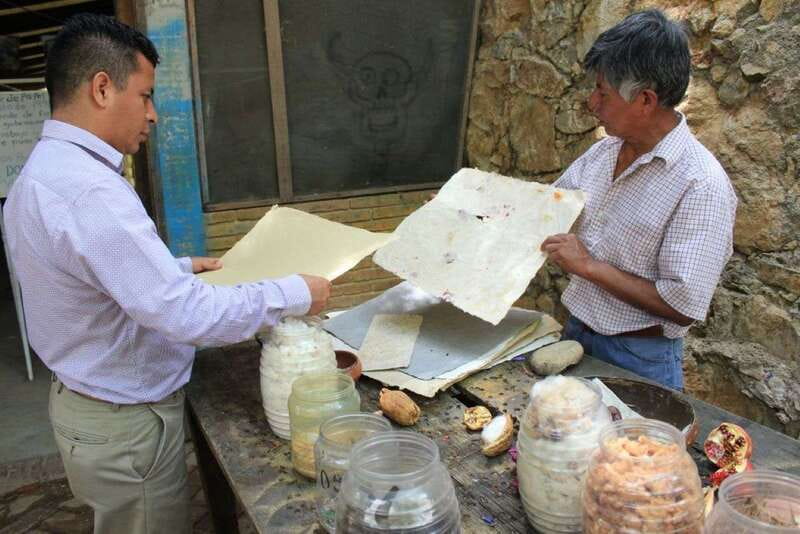
- Natural-fiber paper, made locally using materials like tree bark, branches, flowers, pigments, and cotton
- A textile factory turned arts center at the Centro de las Artes de San Agustín (La Soledad Yarns and Fabrics)
- Fresh Quesillo tasting tied to Oaxaca’s most famous cheese style, with a close look at how it’s made
- An Etla market stop connected to the cheese’s origins in the area
- Bilingual guide support plus a driver who keeps the timing moving in a comfortable van
The 4.5-hour rhythm: getting value from a short drive north
This is a half-day outing that’s built around three focused stops, not a “tour bus everything” day. You’ll start with hotel pickup in central Oaxaca, then ride by air-conditioned van toward San Agustín Etla in the Etla District. The timing is tight but not rushed: you get roughly 1.5 hours at each main stop, then back to the city with another short ride.
That structure matters because both crafts here are process-heavy. Paper making and cheese stretching don’t work like a quick photo-op. You want enough time to watch, ask questions, and actually understand what you’re seeing—without feeling like you’re standing in line.
If you’re the type who likes your experiences with clear starts and finishes, this works well. If you prefer long meandering breaks to wander, you might feel the schedule moves on before you’re done.
You can also read our reviews of more tours and experiences in Oaxaca State.

San Agustín Etla papermaking: natural fibers, color, and real process
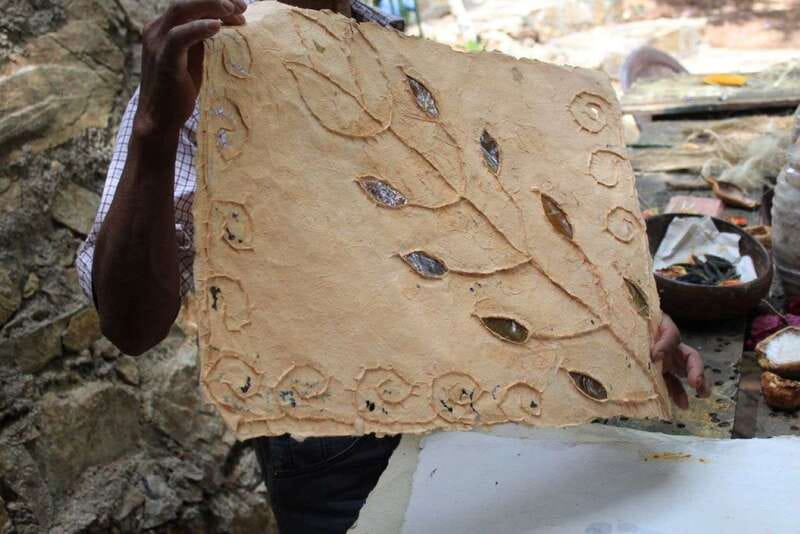
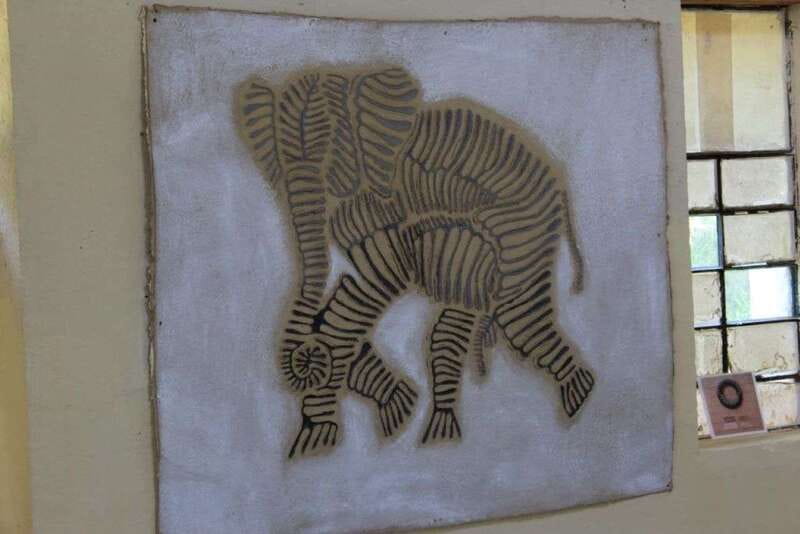
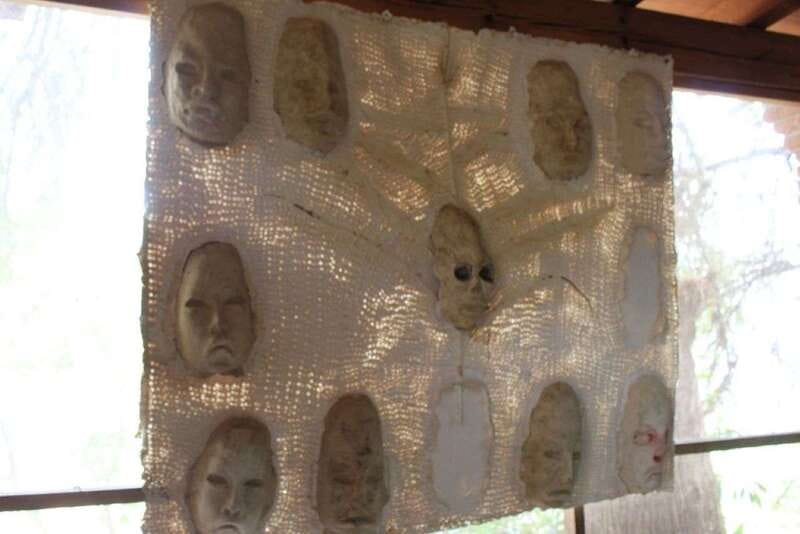
The first creative stop takes place in San Agustín Etla at a former hydroelectric plant setting. The vibe is hands-on and grounded: a community is dedicated to making paper with natural fibers, and you’ll see how local materials become something usable and beautiful.
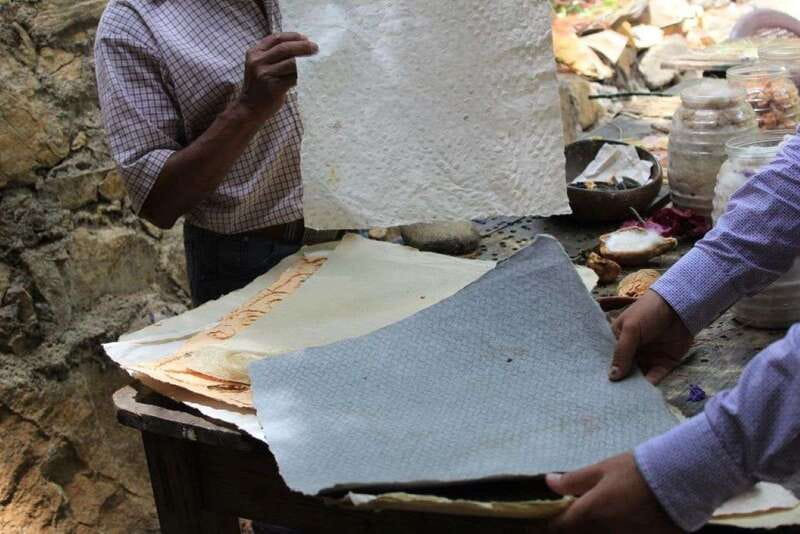
Here’s what makes this part especially interesting: they aren’t treating paper like a factory commodity. Natural ingredients are the starting point—think tree bark and branches, plus flowers and pigments for color. Cotton also enters the mix. Instead of just hearing that it’s handmade, you get to watch the flow of the craft and connect the materials to the final paper.
One of the best practical angles is how this crafts system shows a “local ingredients” mindset. It’s an Oaxaca approach: take what’s around you, learn the method, and turn it into something with identity. If you enjoy artisanal work—whether that’s textiles, pottery, or ink-making—this paper stop will feel like a cousin to what you’ve already seen in the city markets.
What to watch for
Your tour experience should include seeing the process, but one negative outcome showed up in the real world: in some cases, the paper-making personnel may not be available when you arrive, which can cut down what you see. You can reduce disappointment by asking your guide early what you’ll get to witness and how much is observation versus added demonstrations.
Also, the paper-related fee is listed separately. So if your heart is set on extra paper-making access beyond what’s already included, plan for that.
Centro de las Artes de San Agustín: La Soledad Yarns, reimagined for art
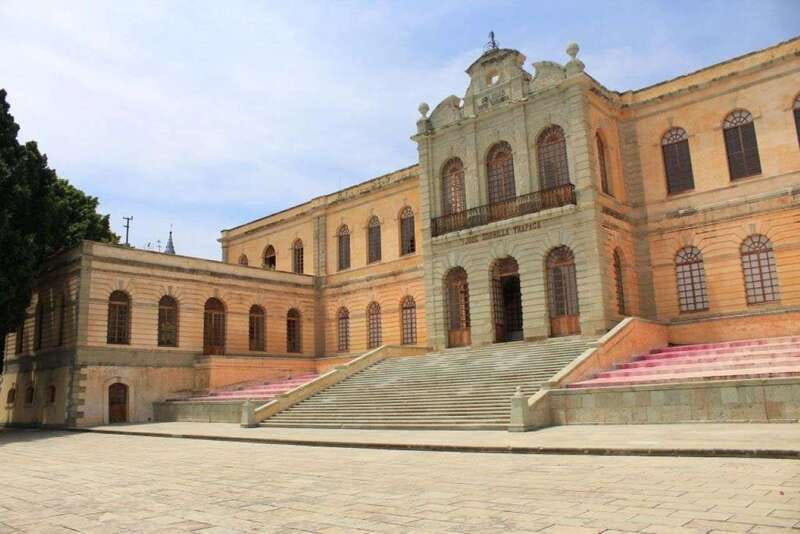
Next comes the architectural “wow” stop. You visit the Arts Center of St. Augustine—Centro de las Artes de San Agustín—housed in the former La Soledad Yarns and Fabrics Factory. The factory began back in 1883, originally tied to manufacturing raw blankets from cotton.
That historical shell matters more than you might expect. Instead of being a generic museum box, you’re walking through a structure whose bones were designed for production and labor. Renovation turned it into a modern ecological arts center hosting contemporary art and culture exhibitions.
If you care about design and adaptive reuse, this stop can be a highlight all by itself. One thing I really like about this type of building conversion is that it lets you picture the old workflow—spinning, weaving, sorting—while you watch new creative work happen in the same walls.
The practical side
This portion works best when you let the space do the talking. Spend a few minutes just looking at the building layout and light. Then, use your bilingual guide to connect the building history to what you’re seeing in the art or exhibition setup.
Even if you’re not the biggest art fan, the place’s identity is worth the time.
Quesillo secrets and tasting: why Oaxaca cheese is so distinct
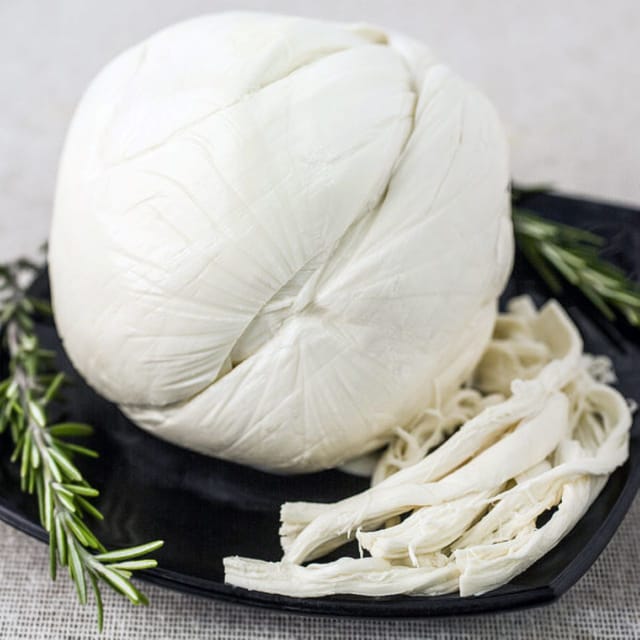
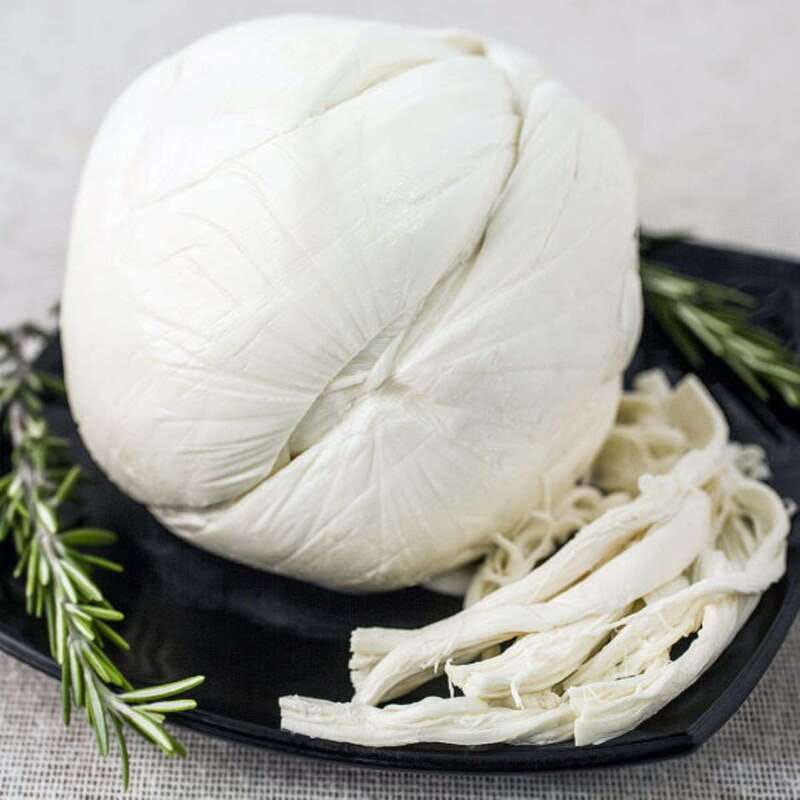
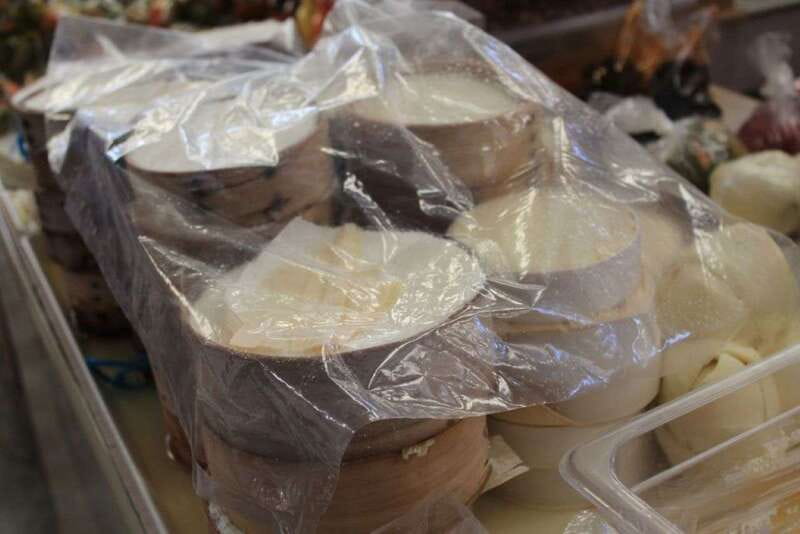
The heart of the experience is Quesillo: traditional Oaxaca cheese with a unique flavor and texture. You’ll learn how it’s made, then taste it fresh.
The key thing to understand before you go: Quesillo isn’t just “cheese.” It’s known for a distinctive, stretchable texture that affects how it melts and how it feels in your mouth. That’s why it’s such a big deal in Mexican gastronomy. Even if you’ve only had it in a restaurant as a melted topping, tasting it fresh puts you closer to the source.
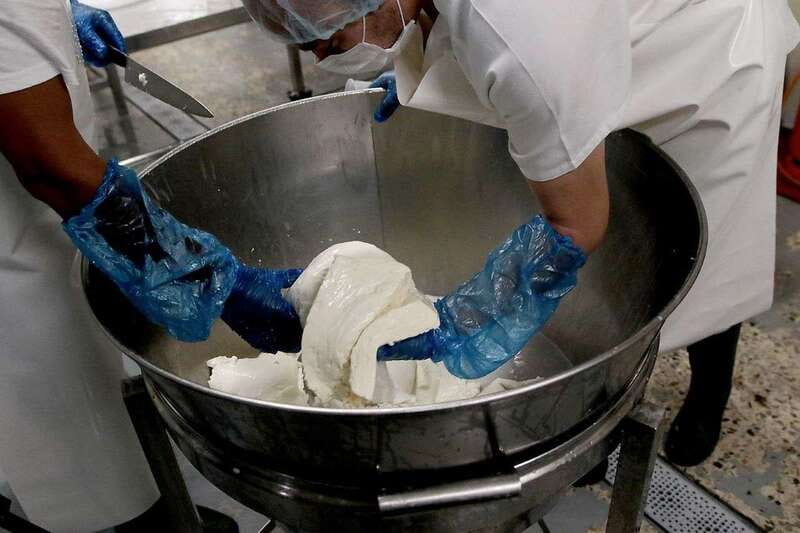
During the cheese segment, you’re not just eating. You’re watching the logic behind the craft: how the cheese is handled to achieve its signature feel and shape. Guides tend to explain it in a way that fits both English and Spanish speakers, and the quality of explanation can make the difference between a fun snack and a real learning moment.
Hands-on extras: what’s included and what costs more
A Quesillo class is listed as an additional fee, separate from the basic tour. That means you should treat the included cheese tasting and demonstration as the core experience, then decide on the spot whether you want a deeper hands-on component.
If you want to maximize value, ask your guide what’s included in the demonstration versus what the paid class adds. It’ll help you avoid paying twice for something you already got.
When the stop feels extra personal
Some versions of the cheese segment can feel more intimate—like you’re watching cheese production in a real kitchen setting rather than purely in a workshop. On at least some routes, it can even include a look at nearby farm animals, which adds context to how rural food systems support craft production.
That kind of access is the reason this tour isn’t just a “look and go” stop.
Etla market: the local supply chain for cheese and paper
After the crafts and the cheese, you’ll make a stop at the Etla market. It’s known for being located in the area where Quesillo originated.
For me, this is the best kind of market stop: not just browsing for souvenirs, but connecting the dots. You’ve already seen the paper process and the cheese craft. Now you see the everyday commercial side—people buying, selling, and using these products as part of daily life.
A good move here is to focus on food-related items you can bring into your day. Just remember you’re not given food on the tour itself, so you may want to plan how you’ll handle meals. The tour description doesn’t list meals as included, so treat this as an optional chance to pick up something to nibble later, not a guaranteed lunch.
Bring cash, but don’t overbuy
Cash is recommended, and the market is where that helps. Still, don’t buy more than you can reasonably carry back. If you’re limited on luggage, keep your purchases practical.
Price and extras: is $43 worth it?
At $43 per person for about 4.5 hours, this tour is positioned as value through variety. You’re not paying only for a craft demonstration; you’re paying for a coordinated route that links three distinct activities: natural-fiber papermaking, a repurposed textile factory arts center, and Quesillo tasting with educational context.
The add-on costs listed separately can change the total. A Quesillo class is priced separately (listed at 12.00 USD), and a paper-factory fee is also listed separately (2.20 USD). If you skip both extras, the base tour still delivers a lot: you see the process and you eat the product (tasting).
If you want a deeper participation level—hands-on cheese steps and additional paper involvement—then budget a bit more. The smartest way to decide is to let the included tasting and observation guide your interest. When the demonstration is engaging, you’ll know quickly whether the class is worth paying for.
Transportation value
The tour includes air-conditioned transportation and hotel pickup in central Oaxaca. That sounds simple, but in practice it saves time and hassle—especially when you’re traveling 20 km north and back and trying to keep a schedule that’s tight enough to matter.
Who this tour fits best (and who should skip it)
This is a great match if you like process-based crafts and food culture. You’ll enjoy it if you’re curious about how natural materials become paper, and how a specific cheese style becomes Oaxaca’s culinary signature.
It’s also a solid fit for couples, solo travelers, and small groups who want an organized day without a full-day commitment.
Skip it if accessibility is an issue. It’s not suitable for people with mobility impairments or wheelchair users, and it has luggage restrictions, too.
Should you book this Oaxaca: San Agustín Etla Quesillo and Papermaking Tour?
You should book if:
- You want a short but meaningful day that combines paper, cheese, and an arts stop in one route
- You’re excited by crafts made from local materials and want to understand the process, not just take photos
- You value bilingual guidance and a smooth pick-up routine in a comfortable van
You might pass if:
- You dislike scheduled tours and prefer longer wandering time
- You’re hoping for fully guaranteed hands-on cheese and paper activities without any extra fees
- You need wheelchair-friendly accessibility or have mobility constraints
If your goal is to taste Oaxaca beyond the usual restaurant route and to learn how two local crafts actually work, this is a strong bet.
FAQ
What is the duration of the tour?
The tour lasts about 4.5 hours.
Where does the tour start?
Pickup is included from a hotel in central Oaxaca. Your guide will wait in the lobby wearing a blue shirt with the local partner’s logo.
How far do you travel from Oaxaca?
The route goes about 20 km north of Oaxaca city center to the Etla District.
Is the tour guided in English?
Yes. The guide is bilingual (Spanish and English).
Is food included?
No. Food and drinks are not included.
What does the price include?
The price includes air-conditioned transportation and a bilingual tour guide.
Are there extra costs for the cheese or paper activities?
Yes. A Quesillo class is listed separately (12.00 USD) and a paper factory is also listed separately (2.20 USD).
Do I need cash?
It’s recommended to bring cash, especially since some activities and items may cost extra.
Can I bring luggage or pets?
No pets are allowed, and luggage or large bags are not allowed.
Is the tour suitable for wheelchair users?
No. It is not suitable for people with mobility impairments or wheelchair users.
Can I cancel for a refund?
Yes. Free cancellation is available up to 24 hours in advance for a full refund.