REVIEW · OAXACA CITY
Apoala Magic Waterfalls Hike and Swim Adventure
Book on Viator →Operated by Valterra Excursiones · Bookable on Viator
Waterfalls and swim pools shape the whole day. I like the bilingual guide who keeps the hike safe and makes the ecology make sense, and I love the swim pools tucked along the river so the views aren’t just photos. The downside: it’s a moderate, sometimes-steep hike and it’s not for low-mobility travelers.
Along the way you start at the Templo de San Matías Jalatlaco in Jalatlaco, then pause in Nochixtlan for simple market breakfast fuel (cash needed). With a max of 6 travelers, the day feels relaxed instead of rushed, even though you’re out for about 11 hours.
In This Review
- Key highlights worth getting excited about
- Starting in Jalatlaco: the church stop that sets the tone
- The drive to Apoala: what the timing really means
- The hike itself: downstream, waterfall views, and swim pools
- Upstream to Twin Rocks: lunch that actually resets your energy
- Canyon walking: where the day turns from river to rocks
- Getting back to Oaxaca City: ending in the same place you started
- Price and value: does $135.85 make sense?
- Who should book (and who should skip)
- Should you book Apoala Magic Waterfalls?
- FAQ
- What’s the duration of the Apoala Magic Waterfalls tour?
- What does the tour cost?
- Is breakfast included?
- What’s included in the price?
- How much hiking is there, and what fitness level do I need?
- Where do I meet the tour?
Key highlights worth getting excited about
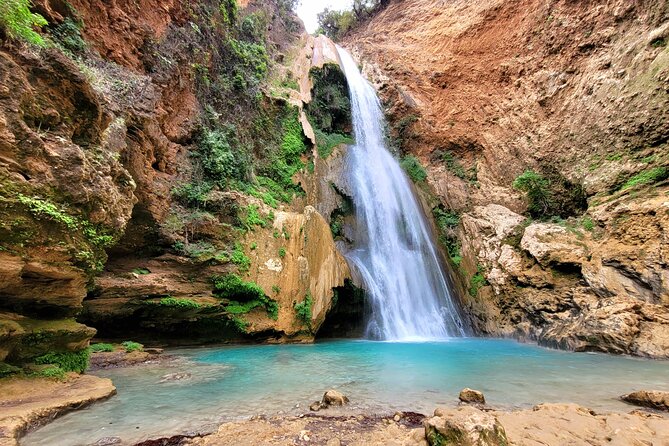
- Apoala river route with planned swim time where you can stop at hidden pools along the hike
- A small-group pace (maximum 6 travelers) with time to ask questions and take photos
- Hiking poles included for the steep sections and the rocky footing
- Lunch in the Twin Rocks valley with meal time built into the flow, not tacked on at the end
- Market stops in Nochixtlan and en route so you get local rhythms before you hit the trail
Starting in Jalatlaco: the church stop that sets the tone
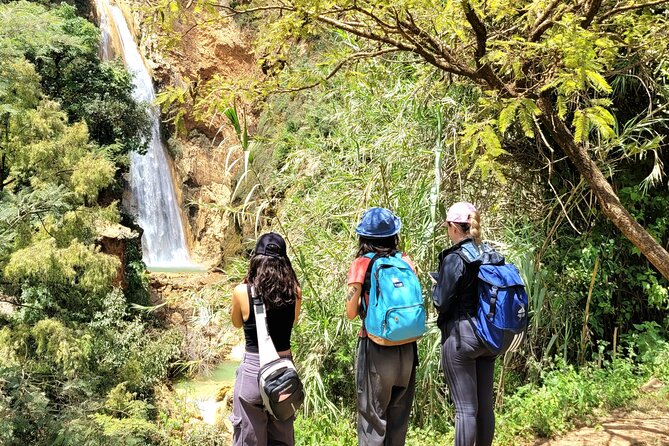
You begin in Oaxaca City at the front of the Templo de San Matías Jalatlaco (Miguel Hidalgo 211, Barrio de Jalatlaco). It’s a short, low-pressure start—around 15 minutes—so you’re not sprinting into the day. Instead, you get oriented and you start with a real local landmark, not just a pickup-and-go.
Then the tour shifts to food and everyday life. You drive toward Nochixtlan, and you get time for breakfast at a comfortable market stop. This is one of those smart details: you’re fueling before the hike, but you’re also spending a little money in a place locals actually use. Breakfast itself is not included, so bring cash if you want to eat there—simple and flexible.
Another market time stop happens on the way, around 30 minutes at the Eliseo Jimenez Ruiz market. That gives you a chance to grab something small, use the bathrooms if needed, and settle your stomach before the long drive to Santiago Apoala.
If you’re the kind of traveler who likes authenticity over performance, these early stops matter. They break up the long day and keep it grounded in Oaxaca beyond the trailhead.
You can also read our reviews of more hiking tours in Oaxaca City

The drive to Apoala: what the timing really means

This is an all-day outing, roughly 11 hours, with a private, air-conditioned vehicle. You’ll spend about 1 hour driving to Apoala from your earlier stops, plus time moving back to Oaxaca City at the end (about 2.5 hours). The good news: you’re not stuck in a crowded bus. With a small group and private transportation, you can relax between trail segments.
Planning-wise, think of the day as three chunks:
1) Oaxaca City + markets
2) the hike and swim sequence around Apoala
3) lunch, then canyon walking, then the return drive
The hike is where your energy goes. Your route includes more than one stretch and changes direction, which keeps it from feeling like you’re doing the same thing over and over. Also, the tour is designed around rhythm: you don’t just hike until you’re wrecked. You get structured breaks and meal time.
You should also know the altitude context. The hike hits about 2,000 meters elevation, which can make exertion feel a touch heavier than it does at sea level. If you’re coming from lower elevations or you’re new to higher altitudes, take it easy on the first climbs and trust your guide’s pace.
The hike itself: downstream, waterfall views, and swim pools
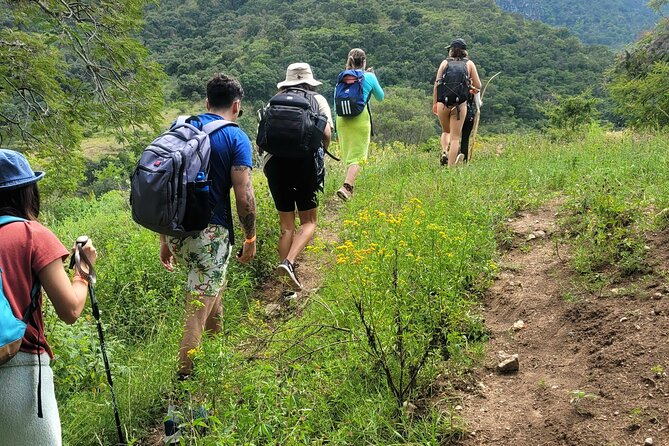
The action starts in Santiago Apoala. You begin downstream, and the itinerary builds your day in stages rather than dumping everything on you at once. Combined, you’re looking at 6+ km total of hiking, with about 3.5 hours for the main river-to-falls portion.
First comes the downstream section. This part sets the tone: you start moving along the river corridor, and you get used to the footing. Expect uneven terrain and some climbing effort, since this is a valley-hike, not a flat stroll. The tour notes it’s for moderate physical fitness, and the pace matches that.
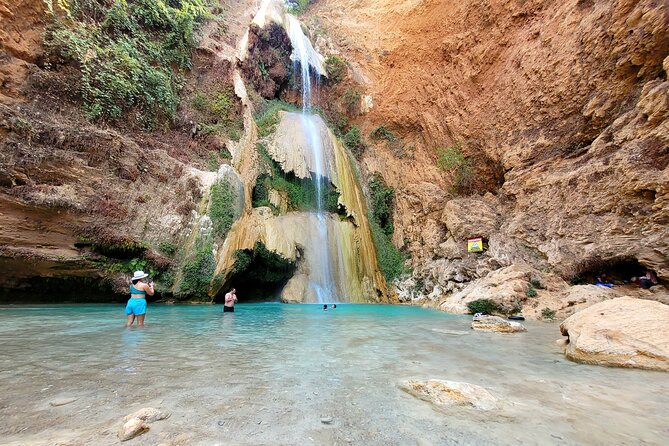
Next you reach the waterfall. This is a major reason people book this route. The waterfall stop isn’t just “look and go.” You continue hiking upstream afterward, which lets you enjoy the falls from more than one angle and feel the change in terrain.
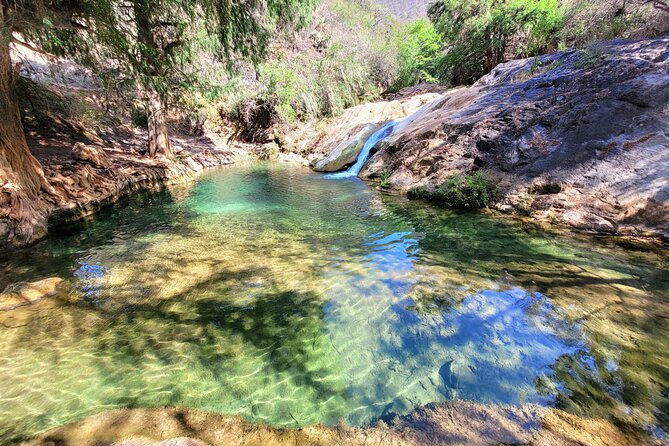
Then comes the part you’ll actually remember: hidden pools along the hike where you can go for a swim. That’s the signature of this adventure. The guide doesn’t just point at water; the schedule includes time to actually use it. In the past, people have loved how refreshing the swims feel after the steeper moments.
Two practical things I’d keep in mind:
- Water footwear isn’t listed as included, so wear what you’re comfortable getting wet.
- You’re higher up in a natural setting, so watch where you step and listen to your guide for the safest access points.
One more helpful detail: hiking poles are included. If you’re even slightly unsure about traction, poles make a noticeable difference on rocky, sloped ground. A steep section doesn’t have to feel scary when you’ve got that support.
Upstream to Twin Rocks: lunch that actually resets your energy
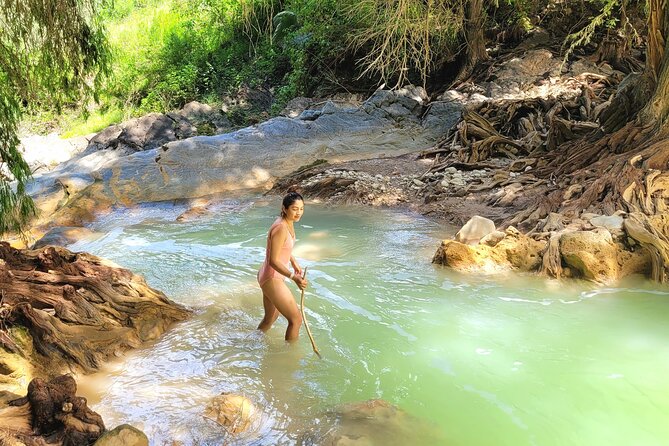
After the upstream section with swim time, you reach lunch. It’s built into the itinerary as a 45-minute break, and it happens in the scenic Twin Rocks valley area. Lunch is included, which matters because a long hike plus snacks you brought yourself can feel limiting.
From the way the day is structured, lunch isn’t treated like a checkbox. It’s placed after you’ve earned it and before the canyon walking begins. That timing is practical. You’ll want some food in you before the second hiking stretch, especially if you’ve been in the water or you’re feeling the altitude.
People also describe the lunch as homely and authentic, tied to small local choices rather than a generic tourist meal. That lines up with what you’d hope for on a route that’s meant to get you out of town and into real Oaxaca life.
Here’s my advice for meal time:
- Treat it as your reset button. Eat normally, don’t overdo it, and hydrate.
- If you’ve been swimming, you’ll feel colder as the sun shifts. Bring a dry layer if you run cold.
Also note that bottled water is provided for drinking and refilling your bottle. In this kind of outing, water management is everything. One simple trick: ask your guide for fresh water when it’s available so you’re not rationing mid-hike.
Canyon walking: where the day turns from river to rocks
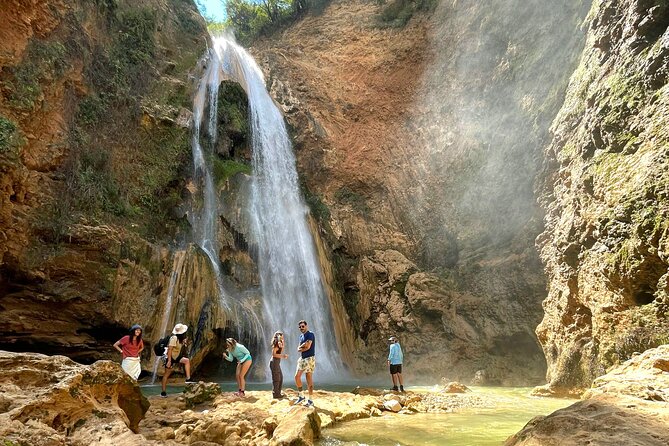
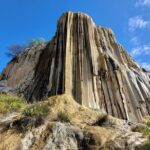
After lunch, you hike the canyon. This is the “towering rock walls and vegetation” part of the route, and it lasts about an hour. It’s a different feel than the river segment. Instead of moving along the water, you’re reading the canyon path—watching the terrain, enjoying the tight rock shapes, and keeping your balance.
This portion can feel more tiring than it looks on paper, because canyon paths often include uneven ground and small climbs. The upside is that the visual payoff tends to feel bigger here. You get a change in scenery right when you might be thinking, Okay, I’ve done the main part.
It also helps that the group size stays small. With a maximum of 6 travelers, it’s easier for the guide to check in on everyone’s pacing and comfort level. It’s not a race; it’s a guided walk with stops and context.
If you’re curious about local nature, this is when those talks start to click. Guides on this route are praised for knowledge about the area and the environment, which can turn canyon walking from scenery-only into a living lesson.
And yes, you may even see animals nearby depending on timing. Some people have noted getting close to donkeys and sheep during the day. If that happens, just keep your distance and let your guide handle how close you get.




Getting back to Oaxaca City: ending in the same place you started
Once the canyon section finishes, you drive back to Oaxaca City. The return drive is about 2 hours 30 minutes, and the tour ends back at the meeting point in Jalatlaco.
This matters for two reasons:
1) You’re not stuck figuring out transit at the end of the day.
2) You can plan your evening around a clear drop-off point.
Since the total time is long, I’d treat the return drive as recovery time. Hydrate, snack if you need it, and avoid the urge to book something intense right after. The hike plus altitude plus water time adds up.
Also, bring a plan for photos. The waterfall and pools make people shoot a lot of pictures, then canyon walking gives you different angles. If you’re thoughtful about charging your phone and keeping a small dry pouch for valuables, you’ll avoid the usual end-of-day scramble.
Price and value: does $135.85 make sense?
At $135.85 per person, this tour sits in the mid-range for a full-day guided nature outing from Oaxaca City. The question is whether you’re paying mainly for transportation or for the actual experience.
In my view, you’re paying for several things at once:
- A professional bilingual guide plus a local community guide, which can be huge for pacing and access
- Private, air-conditioned transportation for the long day
- Admission fees (included)
- Lunch (included)
- Hiking poles (included)
- Bottled water to refill your bottle
Those inclusions change the math. Many day trips look affordable until you add lunch, entry fees, and basic gear. Here, the key pieces are covered, so you’re more free to enjoy the hike instead of managing small costs every time you reach a stop.
One more value factor: the group is capped at 6 travelers. That’s the kind of limit that often turns a hike from a crowded stomp into a real guided day. It also makes it easier to get help quickly if someone needs to slow down.
If you want a nature day that feels guided but not touristy, and you’re comfortable with moderate hiking, the price starts to feel fair.
Who should book (and who should skip)
This is not a casual walk. You need moderate physical fitness. The route includes elevation around 2,000 meters, river sections, and canyon walking. There are steep moments, which is why poles are included.
It’s also explicitly not recommended if you have mobility impairments. Water access and uneven ground are likely to be part of the experience. In other words, even if you can handle some hiking, this might not match your needs.
If you love:
- guided nature days with real stops,
- chances to cool off in natural pools,
- small-group pacing,
then this is an easy “yes” for your Oaxaca itinerary.
If you hate hikes, or if you’re looking for mostly flat sightseeing, you might feel underwhelmed by how much time is actually spent walking. This tour is built around movement and nature.
Should you book Apoala Magic Waterfalls?
Book it if you want a full, guided day that mixes Oaxaca culture, local markets, and a waterfall hike with actual swimming. The combination of pools, a planned meal break in the Twin Rocks valley, and guided canyon walking makes it more than just a scenic drive.
Skip it if your fitness is low or you need low-impact routes. This isn’t designed to be gentle. And if you’re sensitive to altitude or uneven footing, take that seriously.
A final nudge: come ready to be outdoors for most of the day. You’ll get more out of it if you treat it like a hike first and a sightseeing trip second. With small groups and strong guiding, it’s exactly the kind of Oaxaca day trip that helps you understand the region beyond the city streets.
FAQ
What’s the duration of the Apoala Magic Waterfalls tour?
It runs about 11 hours.
What does the tour cost?
The price is $135.85 per person.
Is breakfast included?
Breakfast is not included. There are market stops where you’ll need cash if you want to eat.
What’s included in the price?
You get a professional bilingual guide, fully guided experience, private air-conditioned transportation, admission fees, lunch, bottled water to refill your bottle, hiking poles, and a local community guide.
How much hiking is there, and what fitness level do I need?
There’s a total hike of 6+ km and it’s designed for travelers with moderate physical fitness. It’s not recommended for travelers with low fitness, and it’s not recommended for travelers with mobility impairments.
Where do I meet the tour?
The meeting point is the front of Templo de San Matías Jalatlaco at Miguel Hidalgo 211, Barrio de Jalatlaco, 68080 Oaxaca de Juárez, Oax., Mexico. The tour ends back at the meeting point.