REVIEW · OAXACA CITY
Oaxaca Artisan Pottery Alebrijes, Black Clay Tour and Frida Kahlo
Book on Viator →Operated by Panama San Blas Tours · Bookable on Viator
Three craft masters, one focused day in Oaxaca. You’ll spend the morning learning how alebrijes go from carved copal wood to painted creatures, then shift to barro negro pottery at Alfarería Doña Rosa—plus you’ll get actual hands-on clay time at Manos que ven. An English-speaking guide (like David, mentioned in feedback) helps keep the day organized and explains what you’re seeing.
One thing to plan around: lunch isn’t included, so you’ll want to have extra cash or a plan for that stop. Also, if the exact workshop locations matter to you, it’s smart to ask what address you’ll visit for each stop before you go.
In This Review
- Key things to know before you book
- A practical Oaxaca day built around three folk-art worlds
- Pickup, timing, and how the day usually moves
- Alebrijes at Jacobo y María Ángeles: from copal wood to painted creature
- Lunch at Azucena Zapoteca: enjoy Oaxaca food, but budget for it
- Doña Rosa and the mystery of barro negro’s shine
- Manos que ven: a pottery class that ends with your own take-home piece
- Value and price: is $195 a good deal for this day?
- Who this tour suits best (and who should rethink it)
- How to prepare so the day feels smooth
- Should you book this Oaxaca artisan pottery and alebrijes tour?
- FAQ
- What is the tour duration?
- What time does the tour start?
- Is pickup available?
- Is the tour private?
- Is lunch included?
- What language is the guide?
- What workshop activities are included?
- What can I make in the hands-on pottery class?
- Do I need to pay entrance tickets?
- What is the cancellation policy?
Key things to know before you book
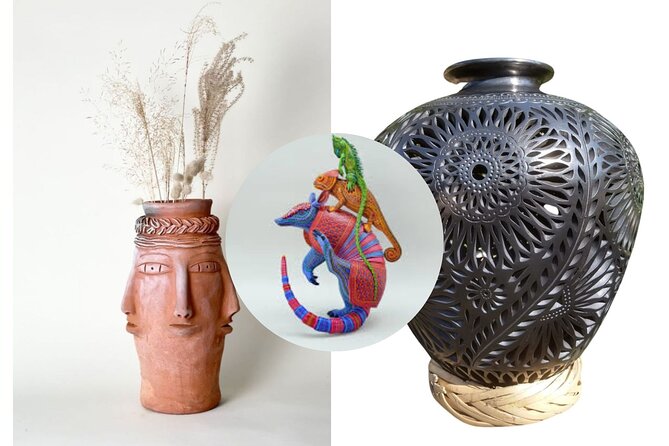
- Alebrijes with the real process: you’ll hear how copal wood is carved and how Zapotec-inspired designs show up in the painting
- Barro negro’s signature shine: Doña Rosa’s workshop is known for the glossy finish that made black clay famous
- Hands-on pottery class: you’ll shape your own mezcalero at Manos que ven
- English-speaking guidance: the day is guided, not just dropped off at workshops
- Pickup in central Oaxaca: you get a private car from Oaxaca both ways
A practical Oaxaca day built around three folk-art worlds
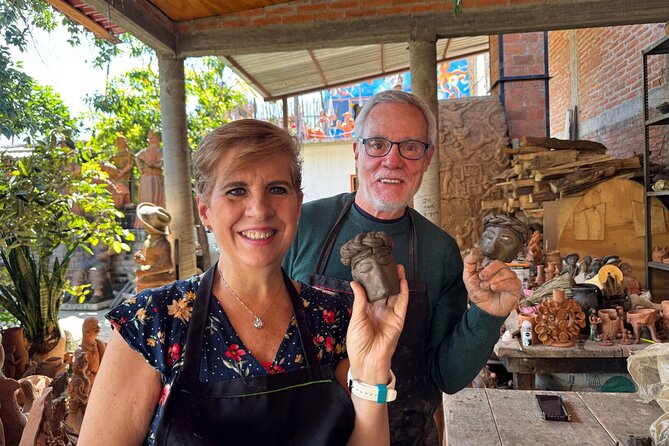
This tour works because it’s not a “see a bunch of shops” day. It’s built as a craft circuit. You move from one master tradition to the next, with just enough time at each place to understand the steps—without turning the day into a blur.
You’ll start with pickup in central Oaxaca around 8:30 am and spend time on the road to your first workshop area. Then you’ll visit three well-known craft stops: alebrijes at the Jacobo and María Ángeles workshop, glossy black clay pottery at Alfarería Doña Rosa, and a pottery class at Manos que ven.
The day’s theme is skill: what makes these works special isn’t just the look—it’s the process. At the alebrije workshop, you’ll learn how artisans carve and paint, and how local iconography guides the designs. At Doña Rosa, you’ll see how black clay becomes shiny, finished pottery. At Manos que ven, you’ll transfer that “hands-on” feeling into your own piece.
Now, a note about the tour name. It includes Frida Kahlo, but the scheduled stops listed for this day focus on pottery and alebrijes. If you’re booking specifically for a Frida Kahlo connection (museum time, a specific site, a photo stop), ask the operator what that part means in practice.
You can also read our reviews of more tours and experiences in Oaxaca City.


Pickup, timing, and how the day usually moves
The tour starts at 8:30 am. Pickup is offered in hotels or Airbnb in Oaxaca center, which is a big deal because it saves you from figuring out multiple rides across town.
The schedule is built around workshop time, not long sightseeing blocks. You’ll get a private car for transport between stops, and each workshop stop is timed so you can see the process and also shop if you want. Entrance fees are handled on the tour side for the listed stops, with the itinerary showing ticket admissions as free.
Expect about 8 hours total, including transfers. That means you’ll want comfortable shoes. You’ll likely spend time standing or watching demonstrations, then some time seated while you work on clay.
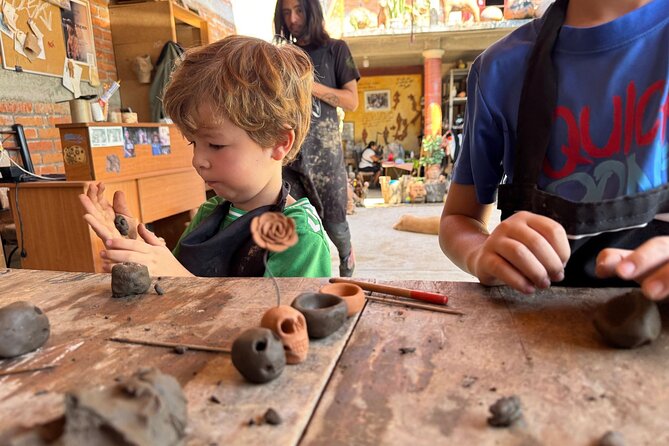
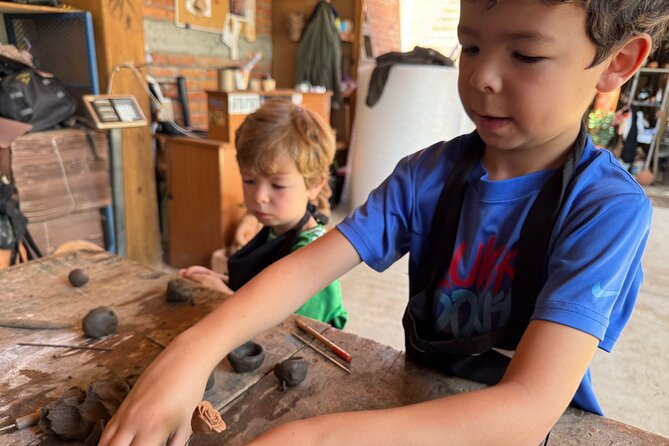
One more practical point: this kind of day can run long for kids because the clay activity has a learning curve. In feedback tied to this tour, a guide was described as attentive and flexible when children needed extra time at the handcraft portion. Translation for you: if you’re bringing kids, plan for patience and stay near the guide during the workshop instructions so your group doesn’t fall behind.
Alebrijes at Jacobo y María Ángeles: from copal wood to painted creature
This is your first major arts stop, and it sets the tone for the whole day. You’ll visit the Jacobo and María Ángeles workshop in San Martín Tilcajete, a place known for internationally recognized alebrijes: hand-carved and painted wooden sculptures of fantastic creatures.
What I like about this stop is that it’s not just about seeing finished pieces. You’ll learn the whole chain of work:
- selecting and carving copal wood
- shaping the creature forms through hand carving
- applying intricate designs inspired by Zapotec iconography
- painting details that make the creatures feel alive
That Zapotec design influence is the key cultural thread. It’s easy to treat alebrijes like quirky folk art, but the iconography adds meaning. When the guide explains how designs connect to local visual language, the finished sculptures stop looking random.
There’s also a store where you can purchase certified alebrijes. The workshop presents them as art investments that may increase in value over time. I’d treat that claim as a “worth asking about” detail rather than a guarantee. Still, it’s useful because it signals a formal approach to what’s made and how it’s identified.
Tips so you shop smarter here:
- If you’re buying, ask what makes a piece certified and how it’s documented
- Look closely at the carving and paint finish—those are the labor-heavy parts
- Don’t be shy about asking how long the carving and painting typically take
Lunch at Azucena Zapoteca: enjoy Oaxaca food, but budget for it
Next you hit Azucena Zapoteca for lunch time. The itinerary makes it clear that lunch time is part of the day, but lunch isn’t included. So the tour price covers the workshop visits and transport—not your meal.
This is a good moment to slow down and eat something local in the same region you’ve been touring. The stop is positioned as a time to try traditional Oaxaca food, but since the exact menu isn’t specified, you’ll want to follow what’s available that day.
My practical advice: plan your budget so you’re not making rushed decisions. It’s also a smart time to drink water, because the rest of the day includes more observation time and a hands-on class.
If you have dietary restrictions, don’t wait until you arrive. Ask ahead of time whether they can accommodate basic needs, since the day runs on a schedule and you don’t want to lose time.
Doña Rosa and the mystery of barro negro’s shine
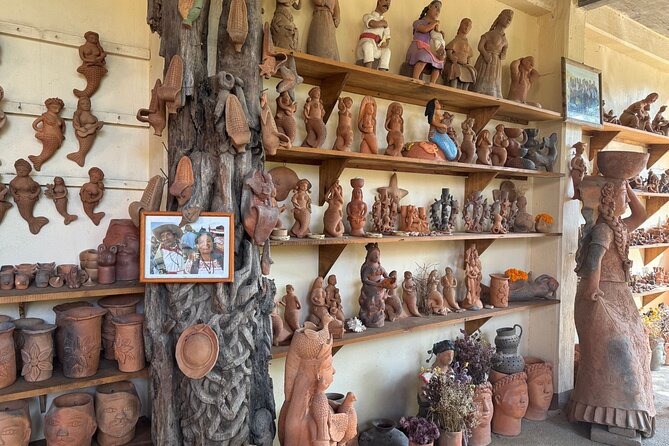
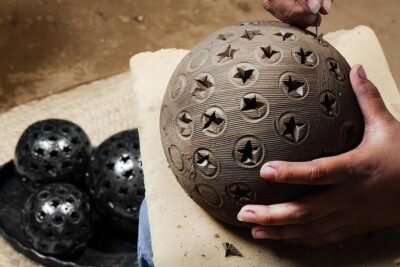
Then you move into black clay pottery, the famous barro negro tradition from San Bartolo Coyotepec. This stop is Alfarería Doña Rosa, connected to Doña Rosa Real Mateo de Nieto, who is credited with changing the look and reputation of the pottery by developing the technique that creates the signature shine.
This is one of those workshops where the “wow” comes from watching skilled hands work through the steps. You’ll have a chance to observe artisans as they demonstrate how the clay is molded and polished to reach that glossy finish. Even if you’re not a pottery person, it’s satisfying to watch how the finish gets produced—not by magic, but by careful technique.
Here’s the big takeaway: barro negro isn’t just black clay. It’s black clay finished in a way that catches light differently. That shiny surface is what makes the pieces recognizable and collectible.
What to watch for when you’re standing there:
- how the polishing process affects the surface
- whether the pieces look uniform or more varied in finish
- how the workshop explains the steps so you can connect the technique to the final result
If you’re buying, remember that shine is a major part of the craftsmanship. Ask questions about the types of pieces you like—especially if you’re aiming for functional pottery versus decorative objects.






Manos que ven: a pottery class that ends with your own take-home piece
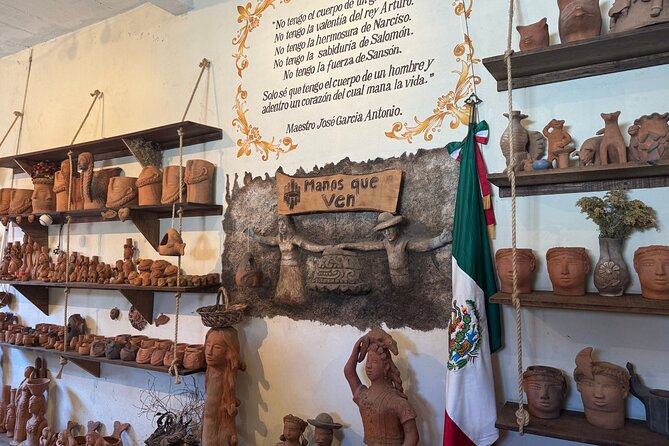
The hands-on part of the day happens at Manos que ven in San Antonino Castillo Velasco, where you’ll visit the workshop of Maestro José García Antonio. He’s known for continuing his craft despite losing his sight, using a highly developed sense of touch—an inspiring detail that adds real weight to what you do with your own hands during the class.
You’ll see clay sculpture work, with special mention of his iconic mermaid figures. Then you’ll take part in a pottery class led by one of his apprentices.
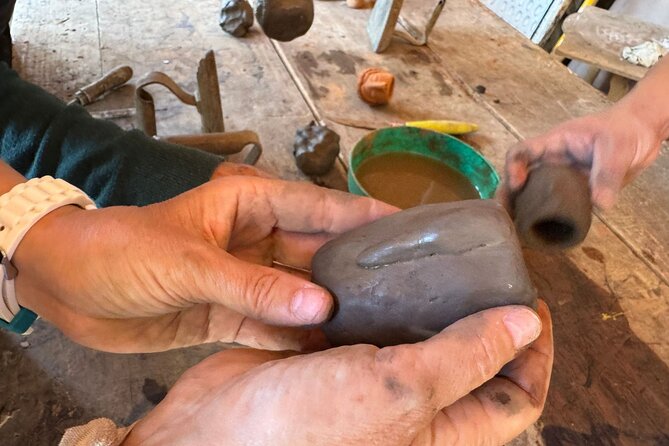
Here’s the practical payoff: during the class, you’ll make your own mezcalero, which is an iconic Oaxacan clay piece. You’ll take it home as a keepsake.
This part matters for value. At many artisan tours, you watch demonstrations and then buy. Here, you actually participate. That means you leave with something personal—not just a souvenir you could have bought elsewhere.
A few tips to help you get the most from the class:
- go in with realistic expectations: clay takes practice, so focus on shaping rather than perfection
- listen closely during the apprentice’s instructions—your outcome depends on technique
- if you’re traveling with kids, this is the spot where you’ll want extra patience since the learning time can stretch
Value and price: is $195 a good deal for this day?
At $195 per person for about 8 hours, this tour prices into the “serious craft experience” range. You’re not just paying for transport—you’re paying for access to three craft specialists and an English-speaking guide who keeps the day moving and explains what you’re seeing.
What you get for the money:
- Private car from Oaxaca both ways
- An English speaking guide
- Three folk art stops focused on pottery and alebrijes
- A pottery class included at Manos que ven
- Stops with admissions shown as free in the itinerary
What you don’t get:
- Lunch (you pay on your own)
So is it worth it? For the right traveler, yes. It’s best for you if you care about process—how artisans make things—and if you like the idea of bringing home a piece you made yourself.
If your goal is mainly shopping for finished crafts, you could probably find shorter workshop visits or open-market shopping for less money. But you’d miss the guided explanation and the hands-on mezcalero class.
For families, art lovers, and gift buyers who want a story attached to the object, the value math gets stronger. The experience is longer than a quick stop, but it stays focused on craft rather than scattering your time.
Who this tour suits best (and who should rethink it)
This tour fits best if you:
- want a guided, workshop-focused day in Oaxaca
- enjoy crafts where the process matters as much as the final product
- want to buy with confidence after understanding what goes into the work
- like the idea of a take-home piece made in a real atelier
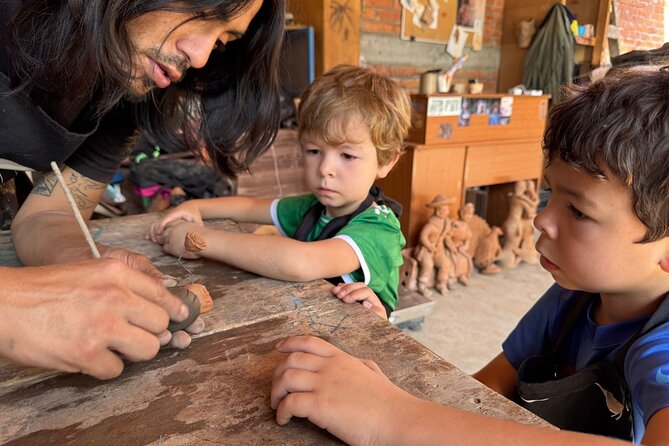
It’s also a solid pick if you’re traveling with kids, as long as your expectations match a hands-on class format. Build in time for the children’s pace and keep close to the guide so the group stays coordinated.
You might rethink it if:
- you only want to shop and don’t care about demonstrations
- you’re not interested in pottery or alebrijes specifically
- you expected a dedicated Frida Kahlo stop, since the provided schedule highlights craft workshops
How to prepare so the day feels smooth
You’ll enjoy this tour more if you treat it like a workshop day, not a museum day.
Bring:
- comfortable shoes (workshops involve standing and moving between areas)
- water (especially since lunch is on you)
- a small budget for snacks and any pieces you want to purchase
- a bag for your take-home mezcalero so it travels safely
During the workshops, take a moment to slow down and watch. The best part of craft visits is the tiny repeated actions—how carving lines are formed, how clay is finished, how paint is layered.
Also, if you’re considering buying certified alebrijes or barro negro pottery, ask questions on the spot while you’re still there. Once you leave, it’s harder to confirm details.
Should you book this Oaxaca artisan pottery and alebrijes tour?
I’d book this tour if you want a structured craft day with real workshop access, clear explanations, and an included hands-on class. The combination of alebrijes, barro negro, and making your own mezcalero is exactly the kind of itinerary that turns “I saw Oaxaca crafts” into “I understand what I’m looking at.”
Book it with a bit of caution if lunch-on-your-own timing and your interest in the Frida Kahlo angle are important to you. If the Frida connection matters, ask what it includes in the actual day plan. And if workshop addresses or specific sites are critical, confirm them before you go.
If you want an organized day where the craftsmanship takes center stage, this is a strong bet.
FAQ
What is the tour duration?
It runs for about 8 hours.
What time does the tour start?
The start time is 8:30 am.
Is pickup available?
Yes. Pickup is offered in hotels or Airbnb in Oaxaca center.
Is the tour private?
Yes. It’s a private tour/activity, with only your group participating.
Is lunch included?
No. Lunch is not included.
What language is the guide?
The guide is English speaking.
What workshop activities are included?
You’ll have stops at three folk art masters, including pottery at Manos que ven (with a pottery class) and visits related to black clay and alebrijes.
What can I make in the hands-on pottery class?
You’ll craft your own mezcalero, which you can take home.
Do I need to pay entrance tickets?
Admission tickets are shown as free for the listed stops in the itinerary.
What is the cancellation policy?
You can cancel for a full refund up to 24 hours before the experience start time.