REVIEW · OAXACA DE JUAREZ
From Oaxaca: City, Mitla, and Mezcal Factory Tour
Book on GetYourGuide →Operated by PARAISO HUATULCO · Bookable on GetYourGuide
Big trees, ancient ruins, and mezcal in one day. I love the stop at the El Tule Tree, a monumental ahuehuete, and I also like how Teotitlán del Valle lets you watch Zapotec weavers work with ancestral techniques. The one catch: Mitla’s site entry fee is extra, and you’ll want cash ready for it.
Pickup from your Oaxaca hotel puts you on a van route that strings together three big cultural hits with minimal hassle. Guides such as Ricardo or Karla talk through the architecture at Mitla and then guide you through mezcal production and tastings at a local factory. Bring comfortable shoes, because this is mostly time on your feet.
In This Review
- Key things to look forward to
- Why the El Tule Tree Stop Feels Like a Must-See in Oaxaca
- Teotitlán del Valle and Zapotec weaving: what you’ll actually see
- Mitla’s City of the Dead: geometry, symbolism, and a guided walkthrough
- The one thing that costs extra: Mitla entry
- Walking reality check
- Mezcal factory tour at El Rey de Matatlán: how the tasting fits the day
- The van ride rhythm: how the day stays manageable
- Where pickup matters
- What to pack (so the day doesn’t get annoying)
- Price and value: what you’re paying for at $57
- The extra cost you should plan for
- Mezcal tasting included, so factor that in
- Who this tour is best for (and who should skip it)
- Should you book this Oaxaca City, Mitla, and Mezcal day tour?
- FAQ
- How long is the tour?
- What’s included in the price?
- Is food included?
- Do I need to pay for entry to Mitla?
- What languages are the guides available in?
- What should I bring with me?
- Is the tour suitable for people with mobility issues or back problems?
Key things to look forward to
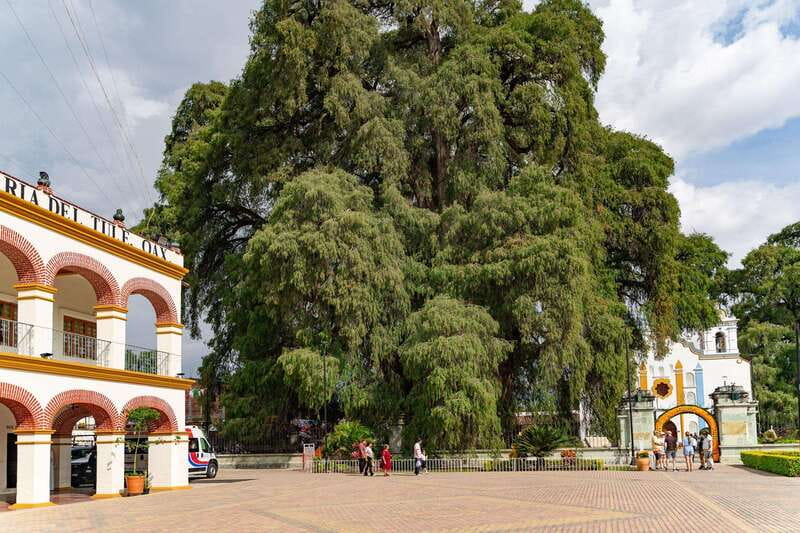
- El Tule Tree’s scale is the main event: plan to pause and really look up at the ahuehuete (Montezuma bald cypress).
- Teotitlán del Valle weaving is hands-on in spirit: you’ll see how rugs are made and painted with indigenous know-how.
- Mitla’s geometry is the wow factor: expect a guided look at the ruins’ Greek-style decorative patterns.
- Mezcal tasting goes beyond one sip: you’ll sample different flavors, including aged mezcal and mezcal creams.
- A pro guide saves you from guesswork: especially at Mitla, where the architecture benefits from context.
- Timing is flexible: expect a smooth day, but not a strict minute-by-minute schedule.
Why the El Tule Tree Stop Feels Like a Must-See in Oaxaca
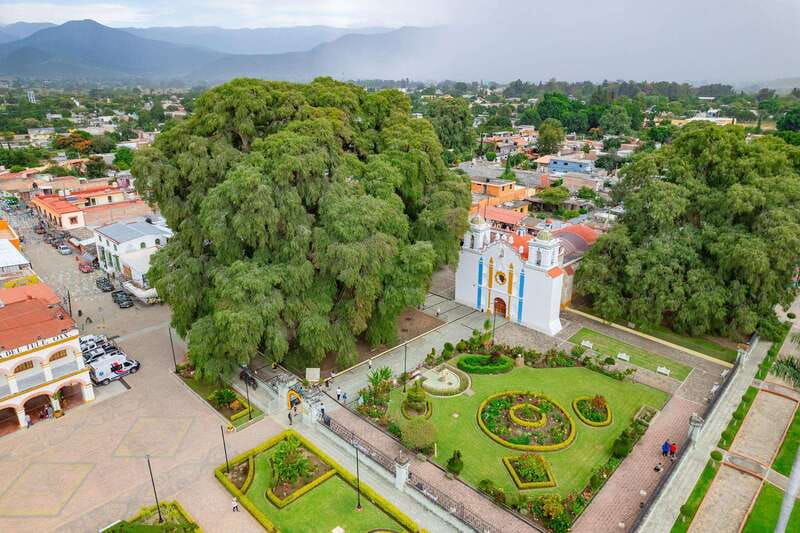
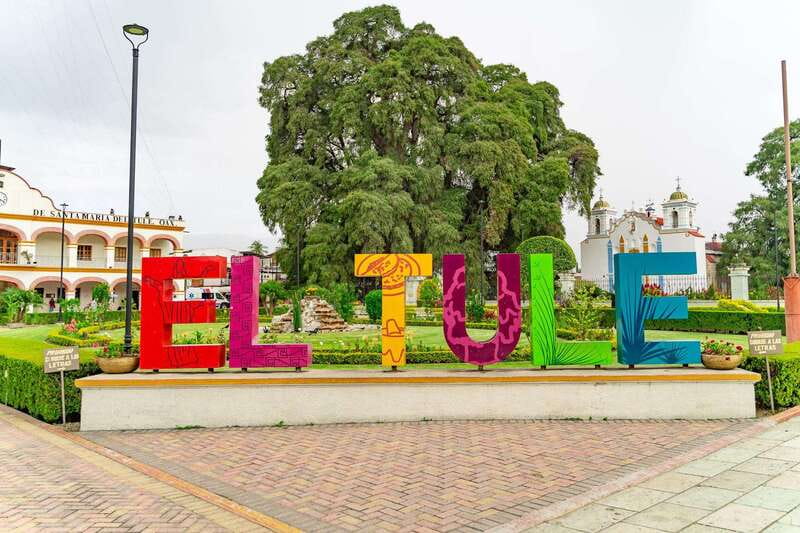
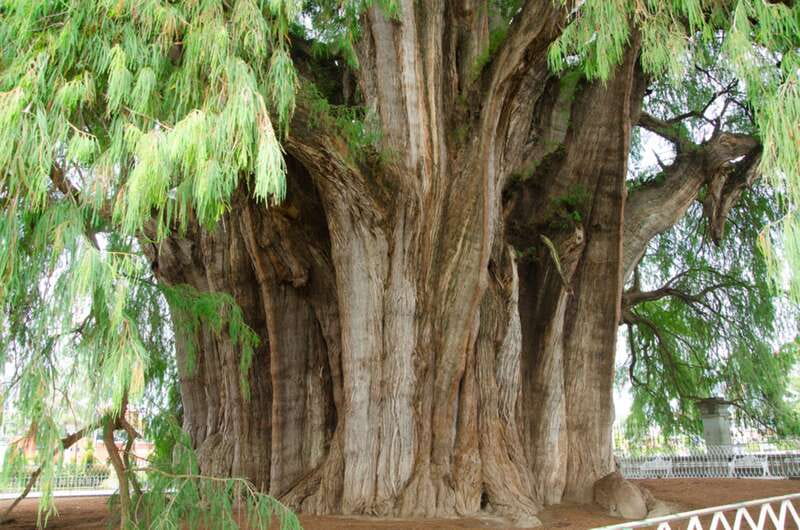
The day starts with an outdoor anchor: the El Tule Tree, an ancient ahuehuete (also called Montezuma bald cypress). This isn’t the kind of sight you rush past while taking photos. It’s a place where you stand there and let your brain catch up to the fact that you’re looking at something described as one of the largest trees in the world, weighing about 509 tons.
What I like about this stop is how it sets the tone for the rest of the day. You’re not just sightseeing buildings. You’re starting with a living landmark that connects to Oaxaca’s long timelines—nature, community, and craft all in one place.
Also, the tree works well for different travel styles. If you love big-ticket visuals, it delivers. If you prefer quieter moments, the shaded pause helps you reset before the ruins and weaving markets.
One practical note: this is an outdoor stop, so wear comfortable shoes even if you’re not planning to do big walks. You’ll likely want to reposition for better views and angles.
You can also read our reviews of more city tours in Oaxaca De Juarez



Teotitlán del Valle and Zapotec weaving: what you’ll actually see
Next comes Teotitlán del Valle, a Zapotec village known for textile craft. Here’s the key thing to know: you’re not only shopping. You’re watching a community practice that’s been built on methods passed down through generations.
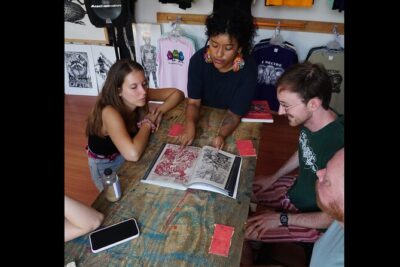
You’ll learn about how rugs are made using ancestral techniques, and then you’ll see artisans create elaborate designs and even paint effects onto woven work. The level of detail is what makes this stop memorable, especially if you’ve ever wondered why Oaxaca textiles look so different from “standard souvenir blankets.”
The tour also points you toward the way local weavers innovate. You might see woven replicas of works by well-known artists, including Toledo, Picasso, and Tamayo. That blend—traditional technique plus modern or famous imagery—is part of what makes the village feel alive rather than frozen in time.
And yes, there’s a market element. You’ll have time there, so you can inspect quality up close and decide what you actually want to carry home. If you buy textiles, don’t be shy about taking your time. This is where you can spot whether the work looks and feels carefully made, not mass-produced.
If you’re a crafter (or you just love craft details), this stop can be especially satisfying. One weaver-like perspective is that you learn to notice how fiber processing and weaving steps connect to the final look. Even if you don’t speak Spanish, a good guide helps translate what you’re seeing into something you can evaluate.
Mitla’s City of the Dead: geometry, symbolism, and a guided walkthrough

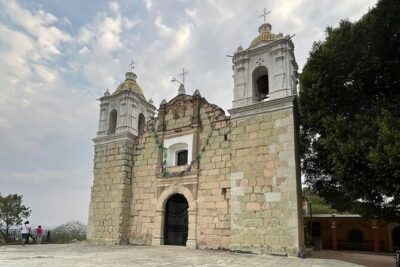
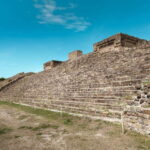
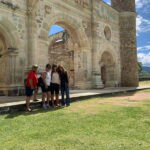
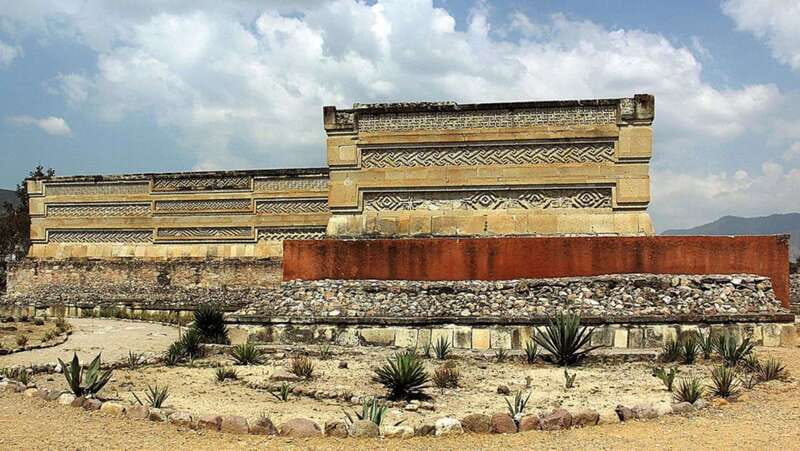
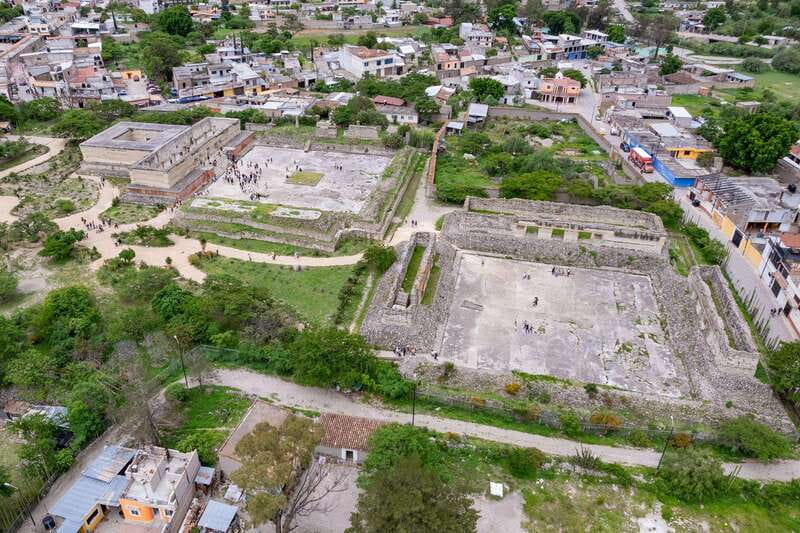
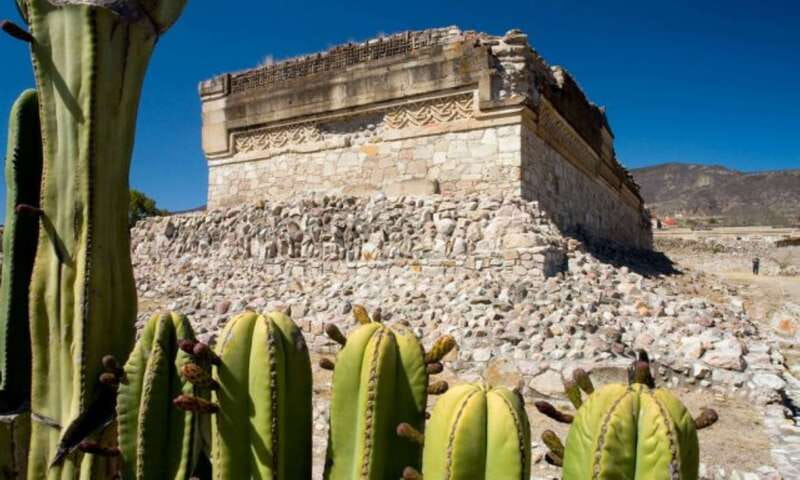
Then you hit Mitla, often called the city of the dead because of its role in Zapotec burial traditions. The ruins are the star, but the real upgrade here is having a guide explain what you’re looking at.
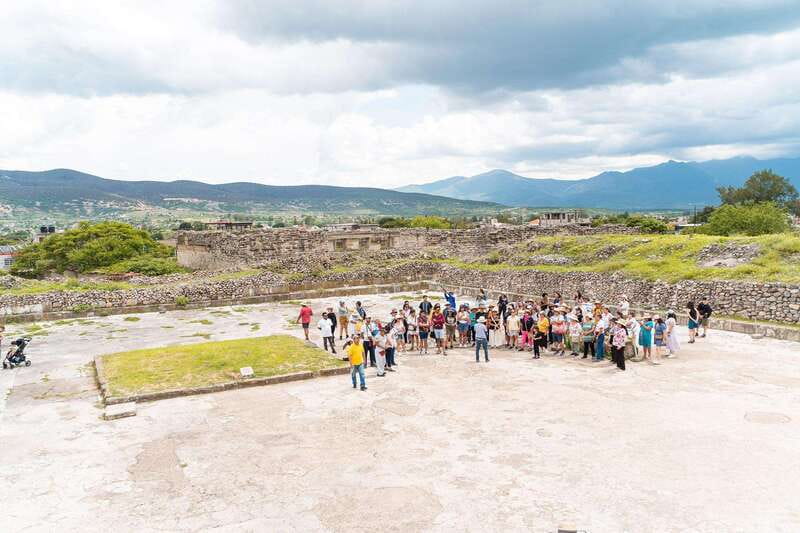
You get a guided tour of the archaeological zone (about two hours). The standout detail is the decorative style—described as Greek decoration—which shows up as distinctive geometric patterns integrated into the architecture. Once someone points those elements out, the site stops being a set of stone walls and becomes a designed, intentional space.
Mitla is also a good place to slow down. Unlike markets, the ruins reward attention. If you want to take photos, this is a perfect spot to step aside and watch how the patterns line up from different angles.
The one thing that costs extra: Mitla entry
Important for planning: the Mitla archaeological ticket is not included. The listed price is 210 MXN, with a 50% discount when you show Mexican INE or a Residence ID card. Bring cash or make sure you can handle local payment rules the day of your visit.
Because the tour price is relatively low, I like that the main inclusions are clear: hotel pickup and drop-off plus a professional guide. It means your biggest variable cost is the ticket.
Walking reality check
This is not an all-flat promenade. Even with the guide keeping things moving, you’ll cover ground and step around uneven surfaces. If you have back problems or mobility limits, take the “not suitable” note seriously.


Mezcal factory tour at El Rey de Matatlán: how the tasting fits the day
After the ruins, you get a different kind of cultural experience: mezcal. The factory stop at Mezcal El Rey de Matatlán is built around two things: learning the manufacturing process and sampling what’s made.
The tour explains how mezcal goes from raw material to what’s poured and tasted, then you get to enjoy different flavors. You’re not limited to one basic pour. Expect variety, including aged mezcal and mezcal creams.
I like this structure because it closes the loop between place and product. Oaxaca’s craft culture shows up in weaving. Then it shows up again here, in how mezcal is produced and flavored. You leave with a better sense of why different mezcals taste different, instead of treating it like a random alcohol stop.
One practical tip: if you’re sensitive to strong spirits, pace yourself during the tastings. You’ll still want energy for the final drive and drop-off, and it’s easy to lose track when the flavors are good.
The van ride rhythm: how the day stays manageable
On paper, the tour runs about 8 hours. In real life, you’ll feel the rhythm of short drives and longer activity windows: a van ride out of Oaxaca, a first sightseeing stop, then drives between Mitla and Teotitlán del Valle, and finally the mezcal factory visit.
That pacing is a big part of the value. You’re not booking separate tickets, guides, and transportation for each stop. The included hotel pickup and drop-off means you don’t have to coordinate rides in between.
One thing to keep in mind: the order and timing can be flexible. That’s usually how these days stay human instead of robotic, but it can also mean you shouldn’t treat it like a train schedule. Build your day around it, not the other way around.
Where pickup matters
Pickup comes from one of two options in Oaxaca: Humboldt 207 (the listing includes that specifically). If you’re staying near there, you’re set. If you’re farther out, double-check how early your hotel driver will come and give yourself a little cushion.
There’s also a short stop listed around Av. Sabino 34 for about 30 minutes. What happens there can be as simple as a break or a quick stop—either way, expect a small reset, not a major attraction.
What to pack (so the day doesn’t get annoying)
Bring:
- Comfortable shoes
- Comfortable clothes
- Cash
Don’t bring:
- Oversize luggage or large bags
The “no big luggage” rule matters because space in vans and stops can be tight. Pack light.
Price and value: what you’re paying for at $57
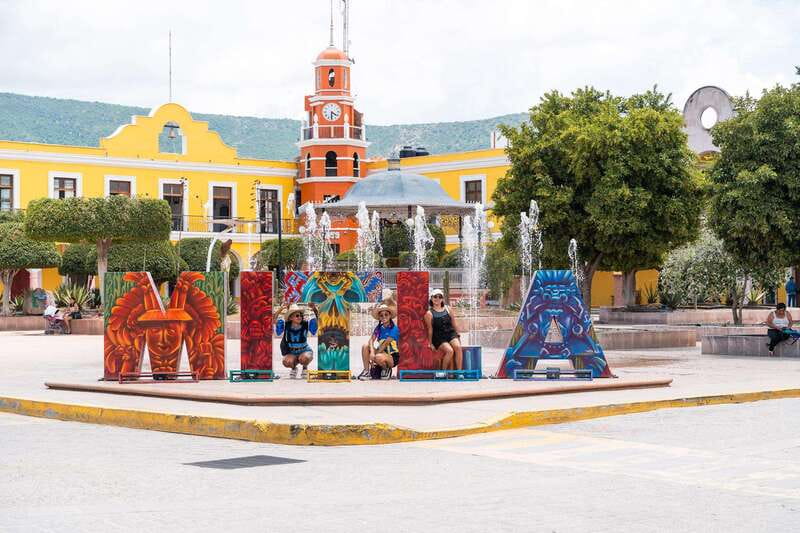
At about $57 per person, this is priced like a structured day tour rather than a high-end private experience. That’s not a bad thing. It’s a good match for what’s included: hotel pickup and drop-off plus a professional guide.
Where the price feels most fair is at Mitla and Teotitlán del Valle. A guide adds real value there. At Mitla, understanding the decorative patterns and layout can turn a “nice ruins stop” into an experience you remember. At Teotitlán, a guide helps you interpret what you’re seeing in the weaving process, not just what you’re buying.
The extra cost you should plan for
The biggest additional cost is Mitla’s entry ticket (210 MXN, with the 50% discount mentioned earlier with INE or Residence ID). Food is not included either. The tour includes breaks, but you’re responsible for meals.
So the true budget equation looks like this: tour price + Mitla ticket + your food. If you budget for those two things, you’ll feel like you’re getting your money’s worth.
Mezcal tasting included, so factor that in
Another value driver: you’re not just touring a mezcal shop. You learn about the manufacturing process and taste multiple options, including aged mezcal and mezcal creams. That turns the factory visit into part of the experience, not just a sales stop.
Who this tour is best for (and who should skip it)
This day tour is a strong fit if you:
- Want to cover three major Oaxaca highlights in one day
- Like craft culture, especially Zapotec weaving
- Enjoy a guided site experience at Mitla
- Want a mezcal introduction with tastings
You should think twice if you:
- Have back problems, mobility impairments, or use a wheelchair
- Prefer super long, unhurried stays in one place (this is a “see a lot” format)
- Hate walking on uneven outdoor surfaces
Also, if you’re the type who needs perfectly timed logistics, remember the tour notes that timing and order are flexible.
Should you book this Oaxaca City, Mitla, and Mezcal day tour?
If you want an efficient, culture-heavy day with minimal planning, I think this is worth booking. The combination of El Tule Tree, Teotitlán del Valle weaving, and Mitla’s guided architecture gives you variety without feeling scattered. Then the mezcal factory stop adds a practical, flavorful finish with tastings.
Book it if you’re comfortable adding Mitla’s ticket cost and handling your own meals. Skip it or choose a different format if walking is hard for you, or if you need long downtime between stops.
If you do book: wear your comfiest shoes, carry cash for the ticket, and don’t treat the textile and mezcal stops like quick shopping chores. Slow down at those two. That’s where the day turns into something personal, not just a checklist.
FAQ
How long is the tour?
The tour lasts about 8 hours.
What’s included in the price?
Hotel pickup and drop-off are included, along with a professional guide.
Is food included?
No. Food and drinks are not included.
Do I need to pay for entry to Mitla?
Yes. Mitla’s archaeological site entry ticket costs 210 MXN and is not included, though there is a 50% discount with Mexican INE or a Residence ID card.
What languages are the guides available in?
The live tour guide works in Spanish and English.
What should I bring with me?
Bring comfortable shoes and clothes, and have cash available.
Is the tour suitable for people with mobility issues or back problems?
No. It is not suitable for people with back problems, people with mobility impairments, or wheelchair users.