REVIEW · OAXACA DE JUAREZ
Oaxaca and its colors: Walking City Tour
Book on GetYourGuide →Operated by EL CONVENTO DMC, S.A. DE C.V. · Bookable on GetYourGuide
Oaxaca’s colors feel better on foot. This 3-hour walking city tour turns the center of Oaxaca into a story you can see and smell, from colonial streets to market life and baroque stonework. I especially love the stop on Macedonio Alcalá de Oaxaca—it’s a rare mix of people, crafts, and architecture in one easy stroll—and the guided tastings tied to daily food culture: Snow, Tejate and Chapulines.
One thing to plan around: it does not include food beyond those small tastings, and Museum of Cultures entry isn’t included either. You’ll still learn plenty on the route, but if you want museum time, you’ll need to budget extra.
In This Review
- Key things that make this tour worth your time
- Walking Oaxaca: why this tour format works
- Where to meet: El Convento DMC and the easiest start
- Macedonio Alcalá de Oaxaca: your street-level orientation
- Oaxaca markets: where the city explains itself
- The tastings: Snow, Tejate, and Chapulines
- Santo Domingo de Guzmán: baroque details your eyes might miss
- Former Convent of Santa Catalina: the calm payoff (entry included)
- Chocolate factory stop: sweet learning, not just tasting
- Museum of Cultures: why it’s listed, but not included
- Price and value: does $35 make sense for 3 hours?
- Guide energy matters: what the reviews point to
- Who should book this walking tour
- Should you book Oaxaca and its Colors: Walking City Tour?
- FAQ
- What is the duration of this Oaxaca walking tour?
- How much does the tour cost?
- What is included in the tour?
- Is food and drink included?
- Is the Museum of Cultures entrance included?
- Is this tour suitable for mobility issues or seniors?
Key things that make this tour worth your time
- Small group size (up to 10) keeps the pace human and questions easy.
- Macedonio Alcalá de Oaxaca is the perfect warm-up: street views, crafts, and café windows.
- Two of Oaxaca’s most important markets show you how ingredients and everyday life connect.
- Former Convent of Santa Catalina entrance included plus a calm walk through cloisters and patios.
- Santo Domingo de Guzmán delivers baroque drama with a guide to point out what matters.
- Chocolate factory stop for an artisan cocoa process and tasting to close strong.
Walking Oaxaca: why this tour format works
Oaxaca is the kind of city where details reward you for slowing down. On a route this short, you’re not trying to “cover everything.” You’re learning how the city thinks: streets lead to markets, markets lead to flavors, and flavors connect back to history and faith.
I like that this tour is built around contrast. You get street energy on Macedonio Alcalá, then you step into the weight of Santo Domingo de Guzmán, then you get the quiet geometry of the Santa Catalina convent. It’s a smart flow for first-timers, because it keeps you oriented fast and stops you from treating Oaxaca like a checklist.
Also, the group stays small. With a limit of 10 participants, your bilingual guide can answer questions instead of rushing everyone through like a conveyor belt.
You can also read our reviews of more walking tours in Oaxaca De Juarez

Where to meet: El Convento DMC and the easiest start
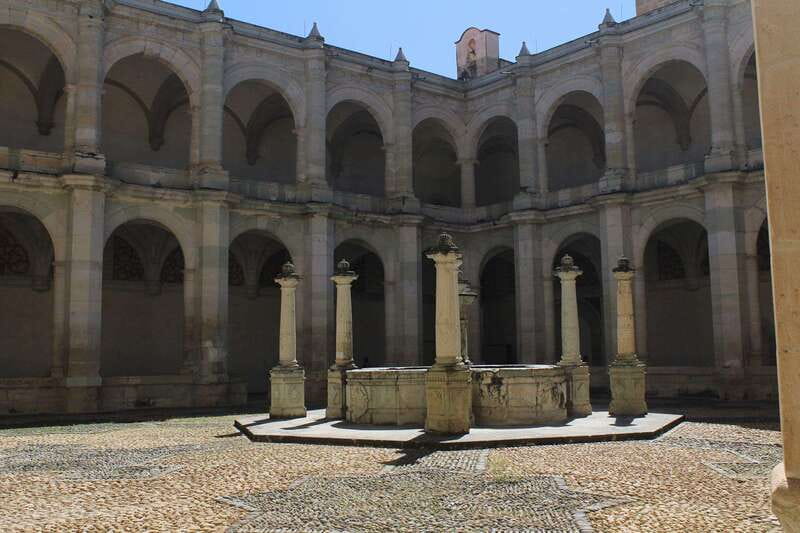
Your meeting point is tied to EL CONVENTO DMC travel agency. Since that’s the only instruction given, I’d treat it as your golden rule: ask at the agency about the tour and confirm the exact pickup point.
The practical reason this matters: city walking tours depend on timing. When you arrive ready—shoes on, phone charged—you waste less time hunting around. And in Oaxaca’s center, finding your bearings is easiest when you start with a clear reference point.
If you can, eat something light beforehand. It’s recommended to have breakfast before the excursion, and the tasting stops make more sense when your stomach isn’t running on empty.
Macedonio Alcalá de Oaxaca: your street-level orientation
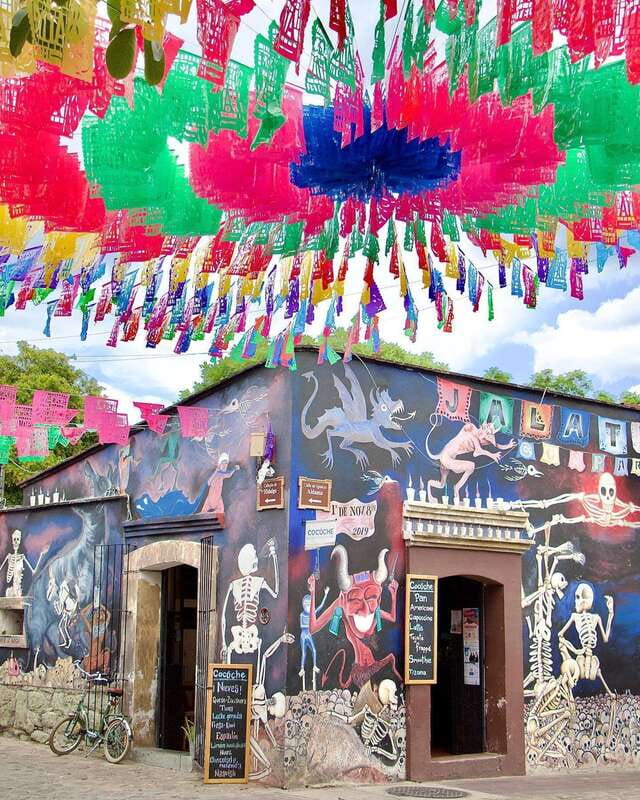
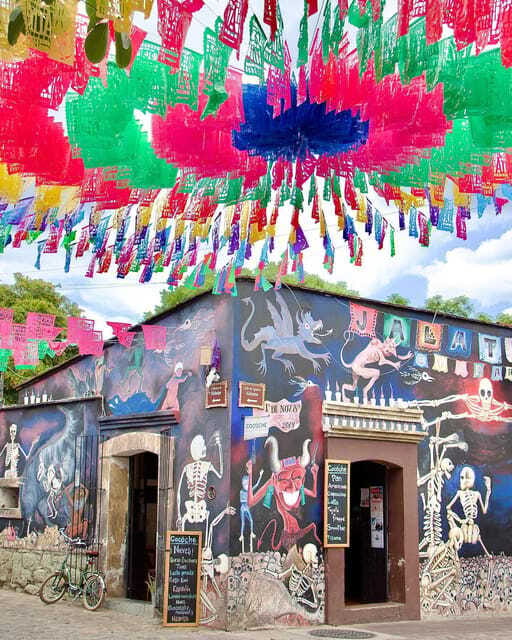
This is the first kind of “wow” that’s not a monument. Macedonio Alcalá Street is a pedestrian-friendly spine through the old center, lined with colonial-era buildings, art spaces, and cozy cafés.
Here’s what I like about this stop: it teaches you how to read Oaxaca. A guide can show you where craft shops fit into the city’s economy, how galleries and small vendors live side-by-side with heritage architecture, and why this street is such a natural hangout for locals.
You’ll also get the street-life rhythm: people walking, pausing, browsing, and comparing prices and styles. Even if you’re not shopping, this part helps you understand Oaxaca’s pace. It’s the warm-up act before the heavier sites.
Practical tip: bring comfortable clothes and comfortable shoes. Cobblestones and uneven old-stone streets can turn a “simple walk” into a sore-foot situation if you’re wearing the wrong footwear.
Oaxaca markets: where the city explains itself
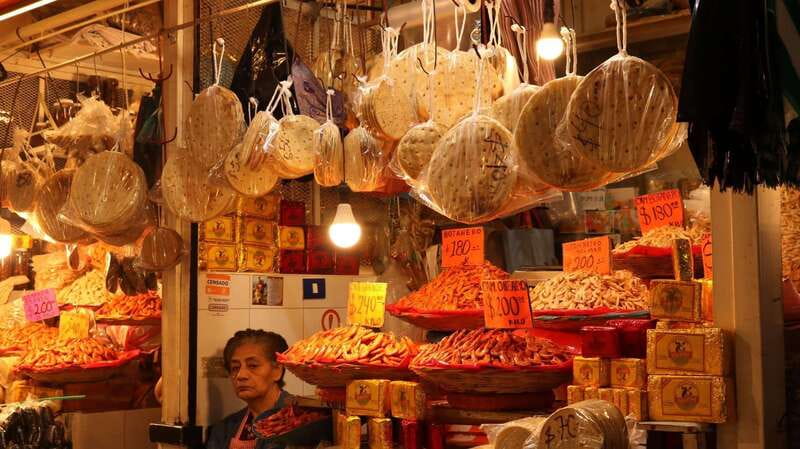
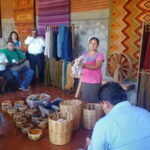
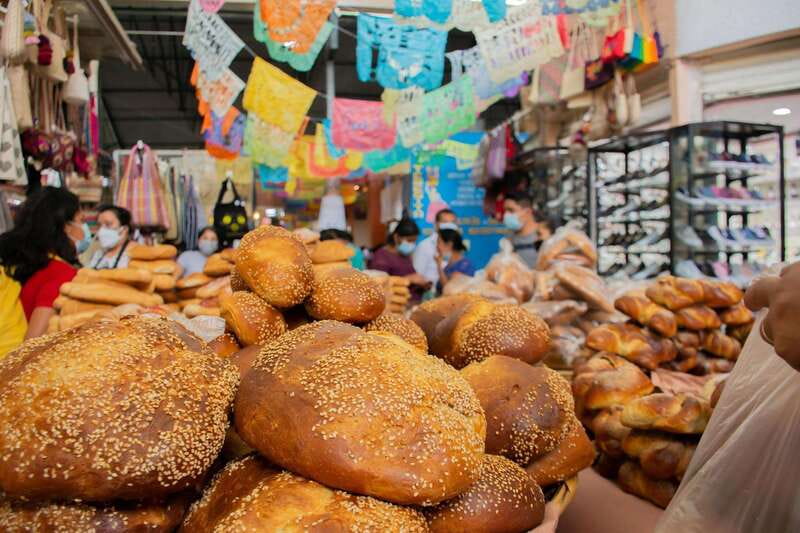
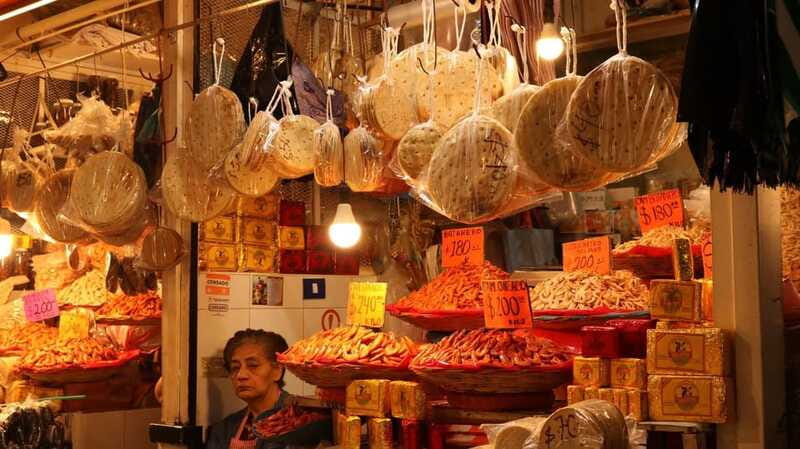
The tour includes visits to two of Oaxaca’s most important markets, which is exactly the right move for a 3-hour plan. Markets here are not just places to buy souvenirs. They’re where you see what people cook with, what people wear, and how ingredients move from stalls to meals.
You’ll experience the sensory mix—color, aroma, and the constant motion of vendors. And because the tour includes small tastings, you’re not just watching. You’re sampling items connected to local flavor culture.
The tastings: Snow, Tejate, and Chapulines
You’ll get small tests of:
- Snow (a local iced treat style)
- Tejate (a traditional Oaxaca drink)
- Chapulines (grasshoppers as a snack)
These tastings are small on purpose. This keeps the tour moving and prevents the experience from becoming a full food mission. But they still give you enough of a taste to decide what you want to seek out later on your own.
A consideration: if you’re cautious about trying unfamiliar snacks, chapulines are the one that can feel intimidating. The helpful angle is that you get a small test first. You can taste and decide without committing to a full portion.
Markets also tend to reward curiosity, not speed. So if a stall catches your attention, ask your guide what it is. With a small group, you’re more likely to get an answer than with large group tours.
You can also read our reviews of more city tours in Oaxaca De Juarez




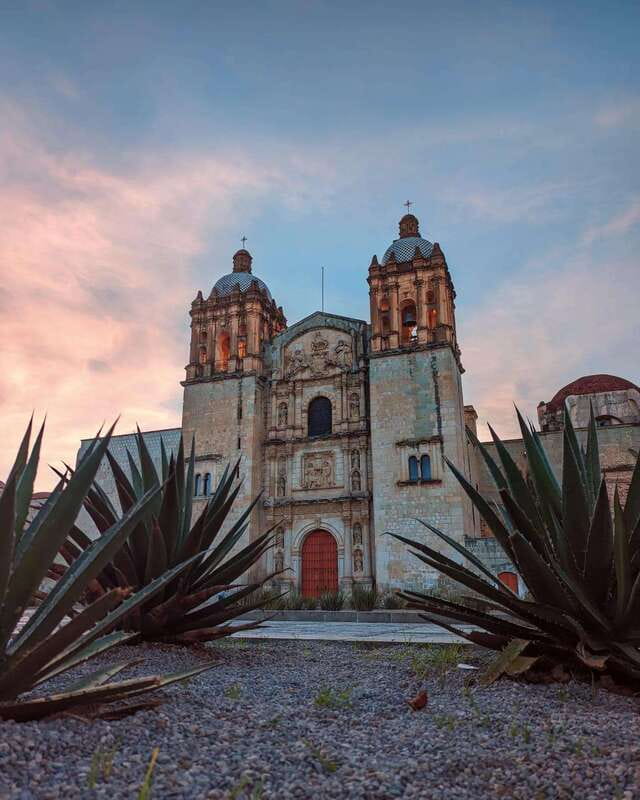
Santo Domingo de Guzmán: baroque details your eyes might miss
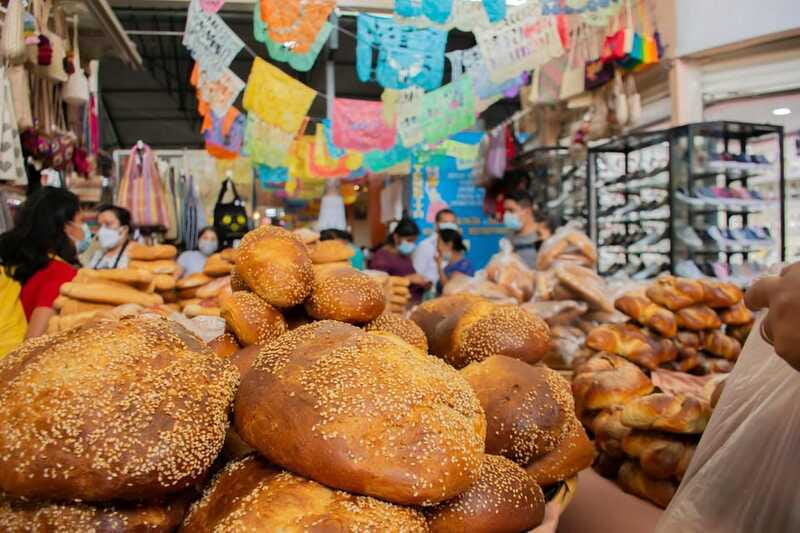
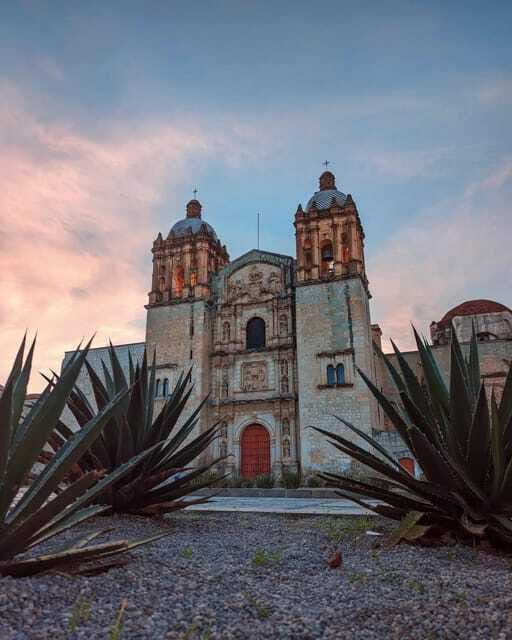
Next up is Temple of Santo Domingo de Guzmán, one of the big statement buildings in central Oaxaca. The façade is described as baroque and ornate, and the interior is richly decorated too.
The value here isn’t just that it’s beautiful. It’s that a guide can help you notice how baroque architecture is built to direct attention—shapes, ornamentation, and sacred art working together. Without context, you might see “pretty stonework.” With context, you start seeing symbols and craftsmanship choices.
This stop also adds emotional contrast. Markets are loud. Streets are lively. Then you walk into a religious space with a totally different tempo. That shift helps you feel why Oaxaca’s history isn’t a museum label. It’s part of daily culture.
Wear shoes you can stand in. Even if you’re not going inside every nook, temples usually mean a bit of waiting, looking, and moving at a steady pace.
Former Convent of Santa Catalina: the calm payoff (entry included)
One of the most prized elements of the tour is the former Convent of Santa Catalina, and here the experience is set up for you: entrance is included.
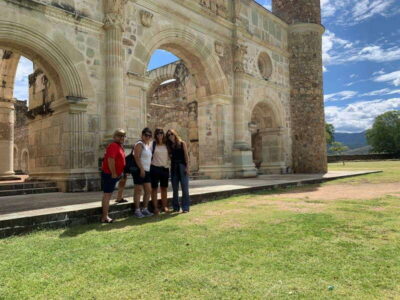
Convent architecture has a way of making your brain slow down. You’ll explore the cloisters and patios, and that change of scale matters. Cloisters are all about rhythm—arches, courtyards, and a sense of enclosed space. Patios are where light hits stone and gives the place a softer feeling.
This is the stop where I’d expect many people to say, Okay, I get it now. Oaxaca isn’t only about noise and color. It also has quiet spaces shaped by centuries of spiritual and cultural life.
If you’re the type who likes architecture but doesn’t want an all-day museum plan, this convent is an ideal fit. It’s long enough to feel meaningful, but it still sits inside a 3-hour walking itinerary.
Chocolate factory stop: sweet learning, not just tasting
To finish, the tour includes a visit to an authentic chocolate factory, where you can learn about the cocoa-making process and taste artisanal chocolate samples.
This is a smart ending for two reasons. First, it connects to the rest of the day. You’ve already seen markets and local foods; chocolate is the link many visitors want. Second, it leaves you with something you can remember and compare later when you try other Oaxaca chocolate.
If you’re traveling with friends who are picky, this stop often helps. Even if they skipped chapulines, chocolate is usually a safer yes. And even if you do love snacks, it’s still educational because you’re learning how cocoa becomes chocolate.
Museum of Cultures: why it’s listed, but not included
The Museum of Cultures of Oaxaca is a featured destination, but entrance isn’t included. That means you might get context from your guide, but you’ll pay separately if you want to go inside.
Should you plan for that extra ticket? If you’re hungry for more detail on pre-Hispanic and colonial cultural layers, the museum can be a strong follow-up. If you prefer to keep your day mostly outside, you can treat this tour as the orientation layer and skip museum time.
This is exactly why the tour is priced where it is: you’re paying for the guided walking experience plus specific site entry (Santa Catalina), not for covering every major attraction.
Price and value: does $35 make sense for 3 hours?
At $35 per person for a 3-hour small-group tour, the value mostly comes from what’s included:
- A certified bilingual guide (Spanish and English)
- Entrance to the former convent of Santa Catalina
- Small tastings of Snow, Tejate, and Chapulines
- A route that strings together major landmarks and major market areas without needing transport
What you should know about value: food and drinks aren’t included beyond those small tasting tests, and Museum of Cultures entry isn’t included. So think of this tour like a guided highlight package, not an all-you-eat plan.
Given that transport is also not included, you’ll get the best value if you’re comfortable walking in the historic center and want a structured route that makes the city make sense fast.
One more small reason I like the price structure: the tour is limited to 10 participants. You’re less likely to feel like you’re being rushed, and that matters more than people expect in places with crowded sidewalks.
Guide energy matters: what the reviews point to
The tour includes a certified bilingual guide, and the feedback mentions a guide named Daniel. In that feedback, Daniel gets singled out for being a real lover of Oaxaca and for handling the group well.
That’s a useful signal for you. In a walking tour, the guide shapes your experience more than the printed itinerary. The right guide doesn’t just point. They explain how the street, the church, and the market connect, so you leave with understanding instead of only photos.
Who should book this walking tour
This tour makes the most sense if you:
- Want to see central Oaxaca in 3 hours without going full museum mode
- Like market stops and small tastings more than long food feasts
- Care about architecture and want help noticing details at Santo Domingo de Guzmán and the Santa Catalina convent
- Enjoy small-group tours (this one caps at 10)
You might skip it if you:
- Need mobility-friendly routes. It is not suitable for people with mobility impairments.
- Are traveling with someone over 70, since it isn’t recommended for that age range.
If you’re a first-timer, this tour works well as a foundation. If you already know Oaxaca, it can still be worth it as a color-and-flavor refresher, especially because it mixes street life, two markets, and one key architecture entrance.
Should you book Oaxaca and its Colors: Walking City Tour?
I’d book this if you want a guided, compact Oaxaca experience with a mix of markets, major architecture, and chocolate—and you’re fine paying a little extra if you later decide to enter the Museum of Cultures on your own.
Skip it if you’re hoping for a full meal plan or if walking the historic center doesn’t work for your body. Also, if you hate trying new things, be aware that the tastings include Chapulines.
If your goal is to get oriented fast, enjoy the best of the center, and leave with a story you can repeat at dinner, this tour fits that mission nicely.
FAQ
What is the duration of this Oaxaca walking tour?
It lasts about 3 hours.
How much does the tour cost?
The price is $35 per person.
What is included in the tour?
You get a certified bilingual guide, entrance to the former convent of Santa Catalina, and small tasting tests of Snow, Tejate, and Chapulines.
Is food and drink included?
No. Foods and drinks are not included, aside from the small tasting tests mentioned above.
Is the Museum of Cultures entrance included?
No. Museum of Cultures entrance is not included.
Is this tour suitable for mobility issues or seniors?
It is not suitable for people with mobility impairments, and it is not recommended for people over 70.