REVIEW · OAXACA DE JUAREZ
Oaxaca: Monte Alban, Alebrije Workshop, and Black Pottery
Book on GetYourGuide →Operated by Oaxacool Tours & Experiences · Bookable on GetYourGuide
The day starts with Oaxaca’s hilltop legend, then hands you real hands-on craft culture. This 6.5-hour tour strings together Monte Albán and two artisan towns so you see how history and everyday creativity live side by side. I love that it includes black pottery (barro negro) and alebrijes in one smooth run, so your brain connects symbols to materials. One thing to watch: you’ll walk on uneven archaeological ground and the tour isn’t a good fit for mobility needs.
You’ll begin near the Jardín Etnobotánico de Oaxaca and head straight to Monte Albán’s panoramic viewpoints. The experience then shifts gears to San Martín Tilcajete for alebrijes made from copal wood, and later to San Bartolo Coyotepec for the famous glossy black clay pottery. The only drawback is practical: Monte Albán tickets and a Monte Albán guide aren’t included, so you’ll want to plan for that before you go.
If you’re the type who likes Oaxaca beyond markets—ruins, tools, and the stories behind objects—this one is built for you. Expect a clear schedule with air-conditioned van rides between stops, plus a live guide in English/Spanish for the artisan workshop segments. Bring good shoes and water, and you’ll have a day that feels both artful and grounded in local tradition.
In This Review
- Key things that make this tour work so well
- Monte Albán: Oaxaca’s hilltop story in 90 minutes
- Arriving in San Martín Tilcajete for alebrijes with meaning
- San Bartolo Coyotepec and the magic of barro negro
- The art-and-ruins value of $58 for a 6.5-hour day
- Timing and comfort: how to make the day feel easy
- Who this tour is best for—and who should skip it
- Quick tips to get the most from Monte Albán and the workshops
- Should you book Oaxaca: Monte Albán, Alebrije Workshop, and Black Pottery?
- FAQ
- Where is the meeting point?
- How long is the tour?
- Is Monte Albán a guided visit?
- What is included in the price?
- What should I bring?
- Is the tour suitable for wheelchair users?
Key things that make this tour work so well
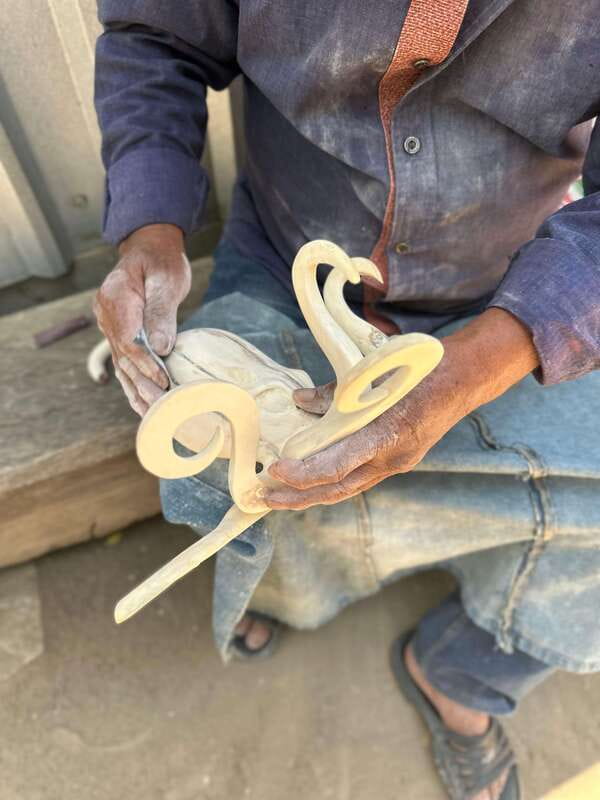
- Monte Albán viewpoints: A hilltop perspective that helps you understand Zapotec presence in the region.
- Copal wood alebrijes: You’ll see the carving, sanding, and painting process up close.
- Symbolism lessons: You’re not just watching art—you’re learning what the figures mean.
- Barro negro craft technique: Polishing black clay for that signature glossy sheen.
- Family-run workshop feel: You spend time with artisans, not just a quick showroom stop.
- Efficient pacing: A tour coordinator keeps the day moving between three very different places.
Monte Albán: Oaxaca’s hilltop story in 90 minutes
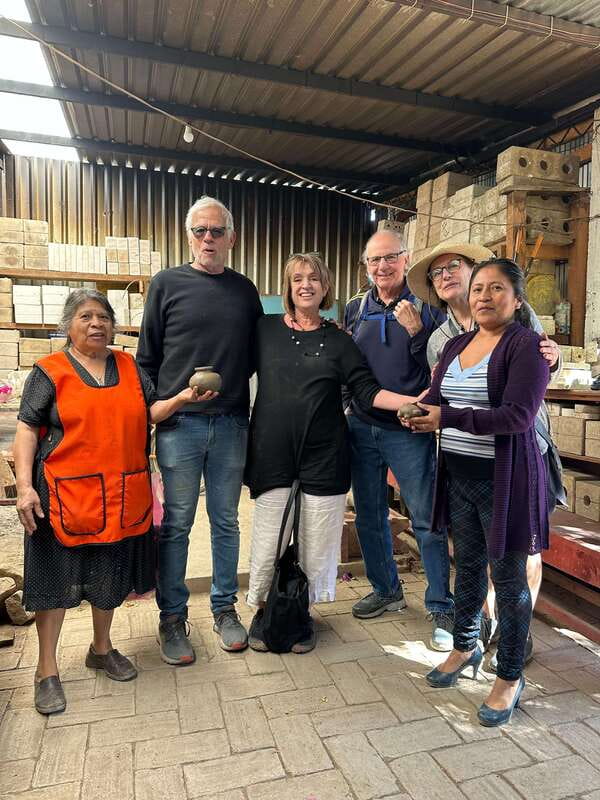
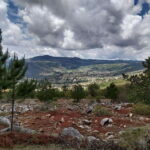
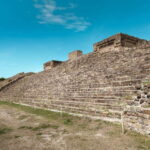
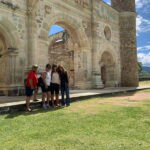
Monte Albán is where Oaxaca starts to feel big in your head. You get to step onto a UNESCO World Heritage Site perched on a hill, which means the views aren’t a side bonus—they’re part of the point. From the top you can take in Oaxaca’s layout below, and it makes the archaeological site feel like it once had purpose beyond monuments.
You’ll get about 1.5 hours on site, and it’s self-guided here. That can be a good thing: you can spend your time on the areas that catch your eye without feeling rushed by a script. Just know you’ll need your own focus, since the included guide support isn’t specified for Monte Albán.
One practical consideration: Monte Albán tickets aren’t included. The tour still gets you there and gives you time on site, but you’ll want to handle entry in advance. Also, the terrain can be uneven, so comfortable walking shoes matter a lot.
You can also read our reviews of more tours and experiences in Oaxaca De Juarez



Arriving in San Martín Tilcajete for alebrijes with meaning
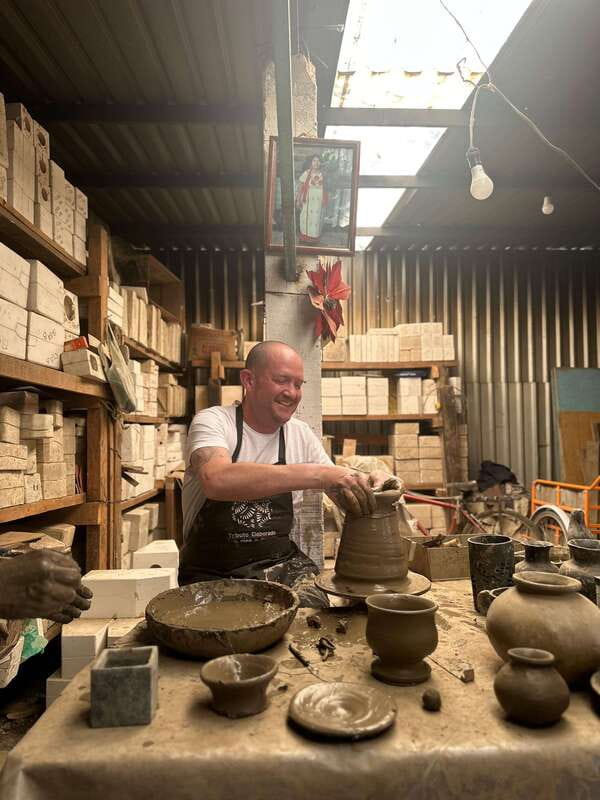
After Monte Albán, the day shifts into something more hands-on. You ride by van toward San Martín Tilcajete, an artisan town known for alebrijes—those whimsical, colorful creatures that mix imagination with cultural symbolism. The contrast is striking: ancient stone to living craft, and suddenly you’re thinking about how stories travel through time.
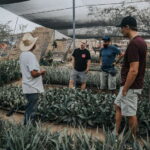
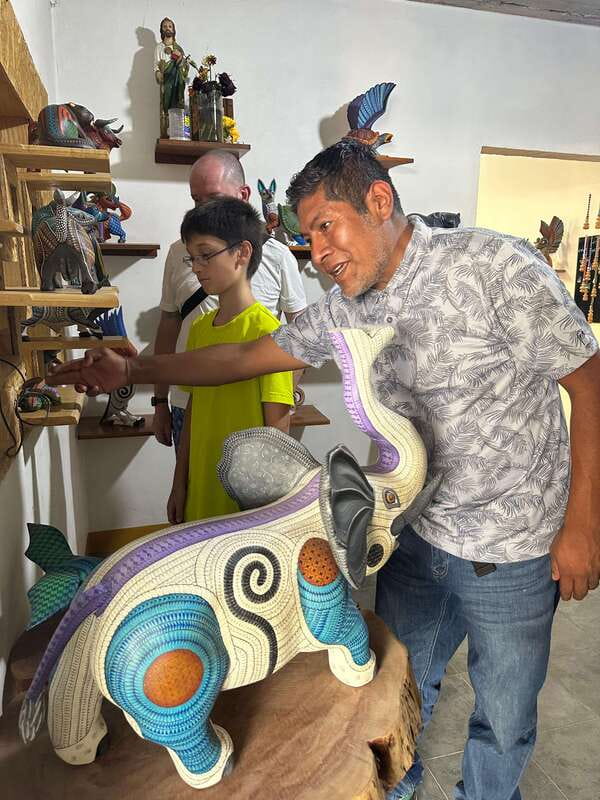
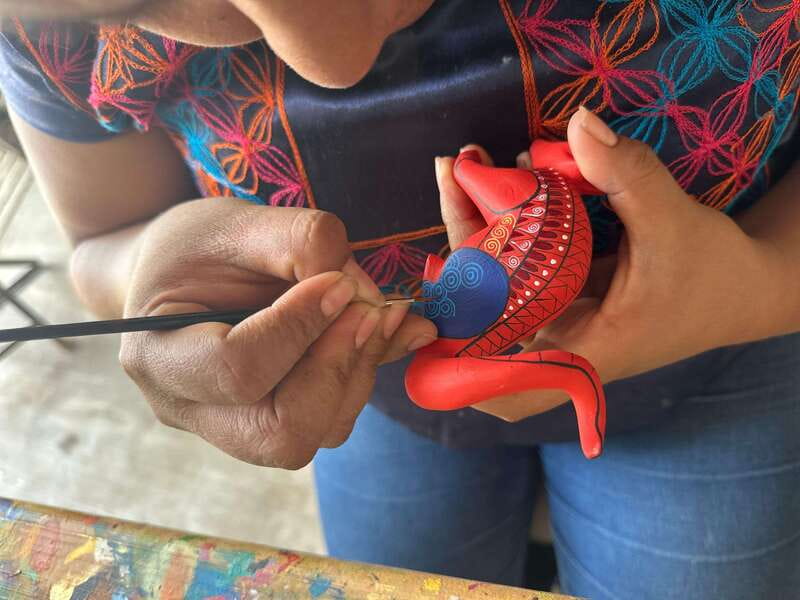
In Tilcajete, you’ll have a guided workshop visit for about 1 hour. This is where I love the structure: you don’t just see the finished figures. You watch artisans work the material—carving, sanding, and painting copal wood into lively shapes. That sequence helps you understand why the artwork looks the way it does. Each step affects the final personality of the piece.
You’ll also learn about the traditions behind alebrijes and the symbolism associated with the figures. Even if you don’t know anything going in, you’ll walk away with a better sense of what you’re looking at—patterns, forms, and figure choices that aren’t random decoration. That’s the difference between buying an object and understanding it.
If you’re a photo person, this stop is also easy to enjoy. Bright colors and close-up craft work give you plenty of chances to capture process, not just product. Just remember the tour doesn’t include meals or drinks, and the activity rules say no food and smoking during the tour.
San Bartolo Coyotepec and the magic of barro negro
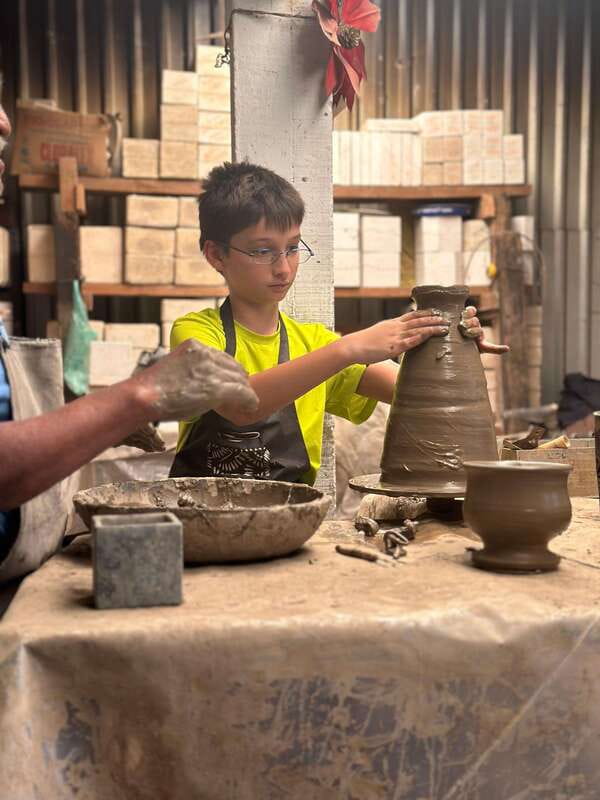
Next comes San Bartolo Coyotepec, the town tied to centuries-old tradition of barro negro, or black clay pottery. This is the moment when Oaxaca’s craft story turns from color to texture and surface. The black sheen isn’t just a look—it’s tied to how the clay is shaped and polished.
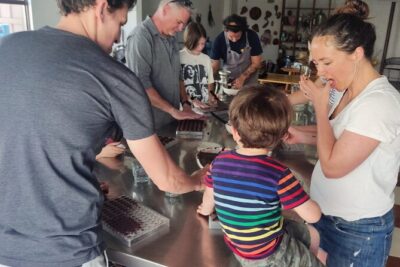
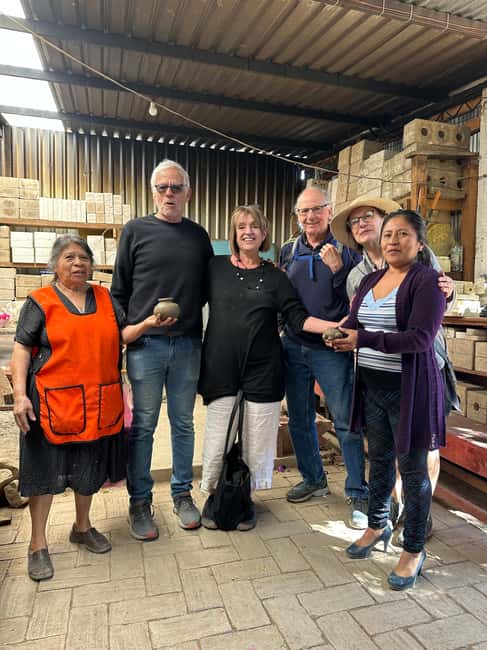
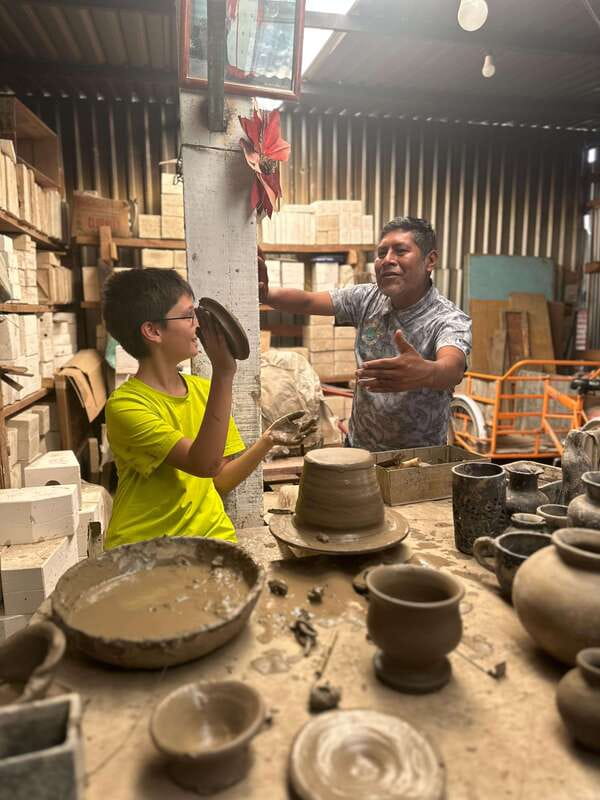
You’ll spend about an hour here with a guided workshop visit in a family-run setting. Artisans demonstrate their mastery, and you can see how the work moves from shaping to polishing. The goal is that signature glossy finish, and watching it done in real time makes it easier to appreciate why these pieces can feel almost like sculpture.
You’ll also have time to browse items like vases, figurines, and tableware. This is a key part of why the tour feels worthwhile: you can connect what you learned about the process to what you actually want to take home. If you like gifts with story value, this is where you’ll likely feel your shopping instincts kick in.
One more note: you’re in the hands of craft people and their workflow, not a big mall shop. Be ready to keep your attention on the demonstration and follow directions, especially since the experience doesn’t allow eating or smoking during the tour.
The art-and-ruins value of $58 for a 6.5-hour day
At $58 per person, this tour sits in the “good deal if you care about substance” category. You’re paying for transport, a tour coordinator, and guided workshop time in two artisan locations, plus the structure that links them to Monte Albán in one day.
Here’s what you’re really getting for your money:
- Air-conditioned van rides between all three stops, which matters because Oaxaca distances add up.
- Guided craft time where you can ask questions and learn symbolism, not just watch.
- Access to family-run workshop environments for alebrijes and barro negro pottery.
- Time efficiency: about 6.5 hours total, so you see a lot without feeling like you’re stuck in transit all day.
What’s not included is important to factor in your mental budget. Meals and drinks are not included, and Monte Albán tickets aren’t included. So when you compare price, think “ticket + a snack” rather than just the base tour cost.
Also, note the tour doesn’t list a dedicated Monte Albán guide as included. That doesn’t make it worse—self-guided can be fine—but it does mean you may want to bring a little curiosity and be prepared to read signs on site.
Timing and comfort: how to make the day feel easy
The flow is designed to keep you moving between three very different environments. You start at the Jardin Etnobotánico area, then take a short van ride to Monte Albán. After that, you transfer to San Martín Tilcajete, then on to San Bartolo Coyotepec, before returning to the starting area. Those travel legs are long enough to break up your day, but short enough that you’re not exhausted by the time you get to the craft stops.
Because Monte Albán is the heavier walk, I’d mentally treat it as the “active part” of the tour. Bring comfortable shoes and keep your energy steady. The artisan towns are easier on your legs, but you’ll still want to stay alert while you’re in workshops.
The tour also gives clear guidance on what to bring:
- Water (you’ll want it)
- Hat and sunscreen for sun exposure
- Camera for craft process shots
- Light clothing that still keeps you comfortable in warm weather
One small rule that can affect your experience: no food or drinks during the tour and no smoking. That’s not a problem if you plan for a stop outside the tour window, but it’s worth remembering if you typically snack while sightseeing.


Who this tour is best for—and who should skip it
This is a great day for people who want a balanced Oaxaca mix: ancient sites plus living craft traditions. It’s especially fitting if you like learning what objects mean, not just collecting souvenirs. If you’re someone who enjoys seeing artisans at work—tools, materials, and process—you’ll get a lot from both workshop stops.
It may not be ideal if you have mobility limitations. The tour explicitly notes it’s not suitable for wheelchair users or people with mobility impairments, and it’s also not recommended for pregnant women. In practice, that likely comes down to the terrain at Monte Albán and general movement during the day.
If you’re traveling solo, with a friend, or as a couple, you’ll probably appreciate the structure. If you’re traveling with kids, note that the tour lasts 6.5 hours and includes a self-guided archaeological segment, so you’ll want to judge whether your group enjoys walking and reading on-site.
Quick tips to get the most from Monte Albán and the workshops
A few practical moves can make this day smoother:
- Pack for sun and walking: hat, sunscreen, water, and sturdy shoes.
- At Monte Albán, use the time to orient yourself with views first, then wander back toward details.
- At the workshops, ask about symbolism and technique while the demonstration is happening, not after you’ve already moved on.
- If you’re planning to buy pottery or alebrijes, browse with intention after you’ve seen the process—your questions will be sharper.
And keep expectations realistic. This is a craft-and-history day, not a museum crawl where every corner is explained in depth. The craft stops are where you’ll likely feel the most guided learning.
Should you book Oaxaca: Monte Albán, Alebrije Workshop, and Black Pottery?

If you want an Oaxaca day that connects big-picture history with hands-on artistic tradition, this one is a strong pick. The value is especially good because you’re not just transported—you’re guided through two artisan experiences where you learn symbolism and technique, and you get Monte Albán’s panoramic payoff in the same block of time.
I’d book it if you:
- Love the idea of seeing artisans work in real time
- Want both alebrijes and barro negro in one outing
- Prefer an efficient day plan over building the route yourself
I’d think twice if you:
- Don’t want to handle Monte Albán tickets separately
- Are sensitive to walking uneven ground
- Need food and drink built into the tour schedule
If your travel style is “show me the real process,” not just the final product, this tour delivers exactly that—and it does it with a pace that keeps the day feeling satisfying.
FAQ
Where is the meeting point?
You meet at the entrance of Jardin Etnobotánico de Oaxaca.
How long is the tour?
The duration is 6.5 hours.
Is Monte Albán a guided visit?
Monte Albán is listed as self-guided within the tour time.
What is included in the price?
Included are a tour coordinator, air-conditioned van transportation, an alebrije workshop visit, and a visit to a barro negro pottery workshop.
What should I bring?
Bring comfortable shoes, a hat, camera, sunscreen, and water.
Is the tour suitable for wheelchair users?
No. The tour is not suitable for wheelchair users or people with mobility impairments.