REVIEW · OAXACA DE JUAREZ
Oaxaca: The Cocoa Experience, from the Grain to Your Cup
Book on GetYourGuide →Operated by Chimalapa Cacao con Origen · Bookable on GetYourGuide
A cacao workshop in Oaxaca teaches you to taste with your hands. In just 3 hours, you’ll roast beans on a clay comal, peel them, grind them, and end up making a chocolate drink you can actually recreate later. I like how hands-on the process is, and I love that you also get the why behind the flavors, not just the how; one possible drawback is that it’s not a quiet, seated demo—there’s peeling and grinding, and it can feel a little messy.
The biggest treat for me is the flavor education. You’ll learn how to notice the organoleptic qualities of the seeds, and you’ll compare cocoa, commercial chocolate, and what’s described as conscious chocolate—so the tasting makes sense. The other consideration: people with food allergies aren’t suited for this experience, so double-check before you book.
In This Review
- Key things you’ll notice during the cocoa-to-cup process
- From Oaxaca cocoa to your cup: what you’re really learning
- Meeting in Centro: location, small group energy, and timing
- Roasting cacao on the comal: the smell test that teaches flavor
- Peeling and grinding by hand: where the story meets the senses
- Choosing sweetness and mixing with regional ingredients
- Making your beverage with the molinillo
- Tasting and snack pairing: how to judge what you made
- Take-home chocolate: what you get and why it’s good value
- Price and logistics: is $98 worth 3 hours in Oaxaca?
- Who this cocoa experience suits best (and who should skip it)
- Final call: should you book Oaxaca: The Cocoa Experience?
- FAQ
- How long is the cocoa workshop?
- How many people are in the group?
- What does the price include?
- Is transportation included?
- What languages are offered?
- What should I bring?
- Are there restrictions for kids or allergies?
- Can I bring a pet or smoke?
Key things you’ll notice during the cocoa-to-cup process
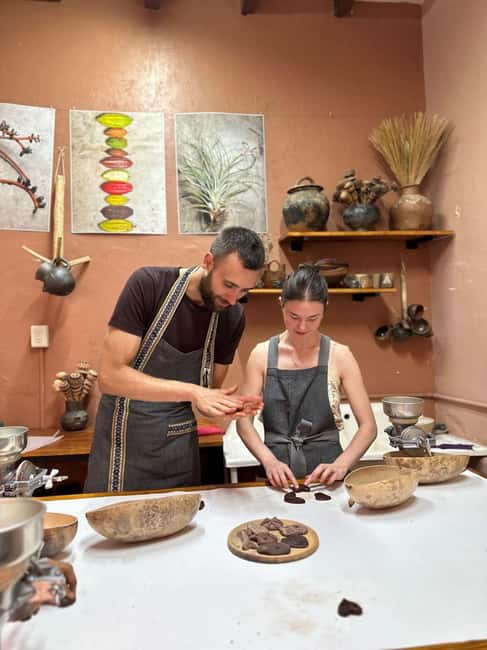
- Clay comal roasting: Heat, smell, and the shift from raw bean to aromatic cocoa paste
- Hand peeling and ritual steps: The process is part technique, part cultural storytelling
- Molinillo mixing: You’ll learn the traditional utensil for blending your chocolate beverage
- Sugar percentage choices: You control sweetness and learn how it changes the end result
- Regional ingredient mixing: Your chocolate is shaped by local flavor pairings
- Take-home handcrafted chocolate: You leave with something you made, not just a cup to finish
From Oaxaca cocoa to your cup: what you’re really learning
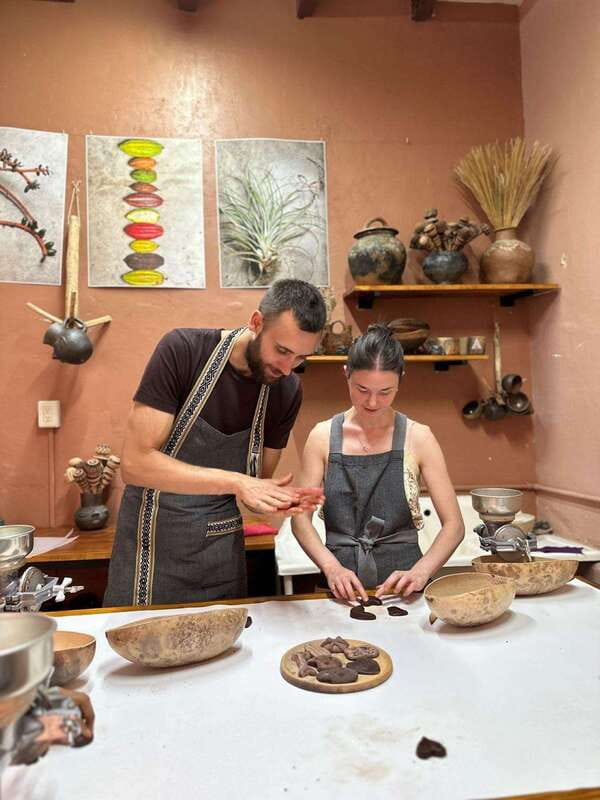
This isn’t a chocolate tasting where you watch and smile. It’s a hands-on cocoa workshop that treats cacao like a food you can understand, not a mystery ingredient. You’ll start by learning the world of Oaxacan cocoa so you can recognize what different seeds taste like before you start transforming them.
What I like most is the balance: you get technique (roasting, peeling, grinding, mixing) and you also get a framework for taste. You’re guided to identify organoleptic qualities—basically, how the beans behave for your senses—so you’re not just saying it tastes chocolatey. You’ll also learn the difference between cocoa, commercial chocolate, and conscious chocolate, with an emphasis on environmental and social responsibility.
For some people, that “why” makes the whole experience click. For others, it’s just part of the story. Either way, by the end you should taste your drink and think, I know what changed and why.
And yes, the name says from grain to your cup for a reason. You really go through that arc, step by step.
You can also read our reviews of more tours and experiences in Oaxaca De Juarez.
Meeting in Centro: location, small group energy, and timing
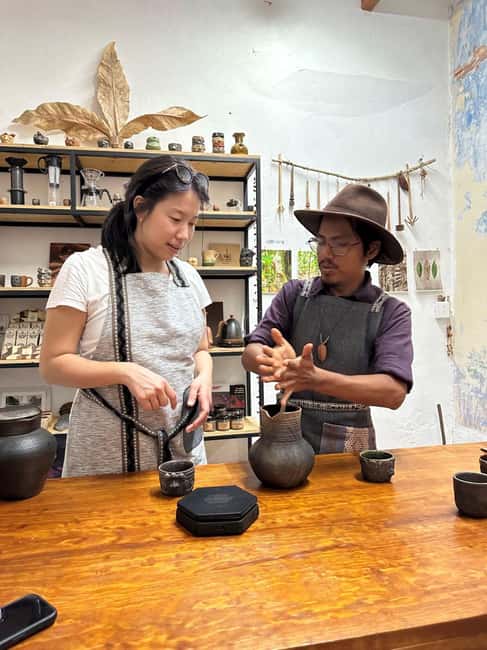
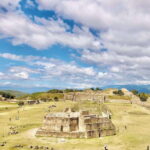
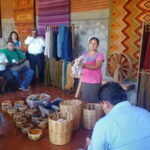
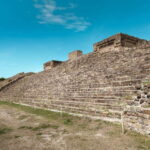
You meet at 5 de Mayo 210, RUTA INDEPENDENCIA, Centro, 68000 Oaxaca de Juárez. The setting you’re guided to is described as peaceful and friendly, and the experience runs with a small group limited to 6 participants. That small size matters. You’re more likely to ask questions, get direct coaching, and actually handle the process rather than just passively observe.
Duration is 3 hours, so the rhythm is tight. You won’t be there all afternoon, but you also won’t feel rushed in a chaotic way. It’s built like a workshop: learn, do, taste, repeat—then finish with something you can take home.
Price is $98 per person, and you should think of it as paying for three things: the guided craft instruction, the tasting and snack, and the materials that end in a take-home chocolate product. Transportation isn’t included, so you’ll want to plan how you’ll get to Centro on time.
Bring comfortable shoes, comfortable clothes, water, and snacks. That last part may sound basic, but in a hands-on food activity, it makes the difference between enjoying the pace and getting distracted by hunger.
Roasting cacao on the comal: the smell test that teaches flavor
The first major transformation is roasting. You’ll roast cacao on a clay griddle called a comal, and this comal comes from San Marcos Tlapazola (Valles Centrales, Oaxaca). That detail matters because it connects tools and place. The roasting method isn’t random; it comes out of a real local tradition.
During roasting, you’re not just waiting for heat. You’re learning to watch and smell. Cocoa aroma changes quickly when the bean hits the right heat. Even if you don’t have a background in food science, you’ll be guided to notice how roasting affects what you’ll taste later—because the next step depends on what you’ve done here.
A clay comal also changes the texture and handling. It’s a more hands-on platform than an industrial roaster, and that’s part of why the experience feels authentic. You’ll see how the tool is meant for community work, not for a big commercial setup.
One practical note: the roasting stage is where the action starts, and you should keep your attention up. If you’re the type who wants to take a dozen photos mid-process, you might miss the sensory cues you came for.
Peeling and grinding by hand: where the story meets the senses
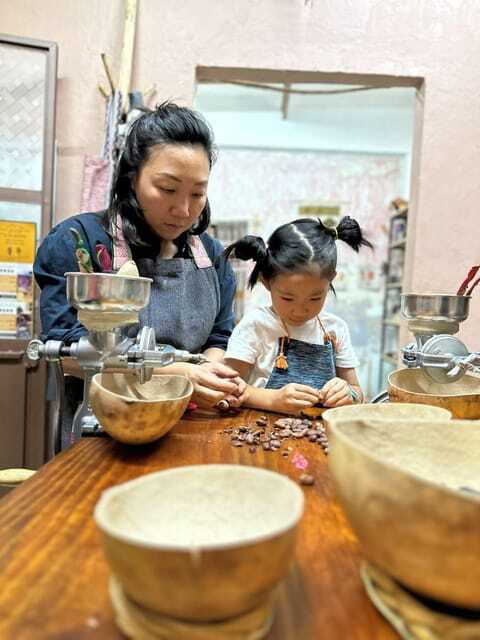
After roasting, you’ll peel cacao with your hands. This is one of the most memorable parts because it’s physical. You’re doing more than handling ingredients—you’re doing a step described as ritual, with history and culture included as you transform the cacao into an artisanal product.
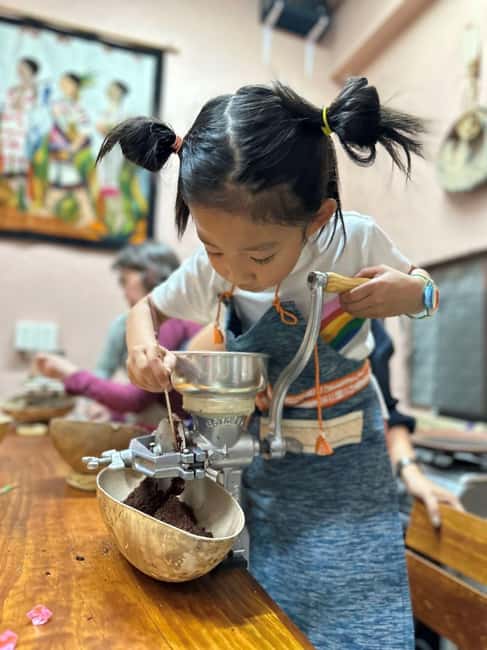
Then comes grinding. You’ll grind the cocoa beans and work toward a cocoa paste. This matters because grind size affects texture, and texture affects how flavor shows up in a drink. If you’ve ever wondered why some homemade chocolate tastes smooth and other versions feel rough or thin, this is where you start to understand the difference.
This workshop also talks directly about taste quality. You’ll learn about identifying organoleptic qualities as part of the process, not just during tasting. That means your brain starts building a map: aroma while roasting, impression while grinding, then confirmation when you drink it.
From the reviews, the host’s explanations and Q&A really help here. You’re not stuck guessing what you’re supposed to notice. If you’re curious, you’ll likely have room to ask.
Choosing sweetness and mixing with regional ingredients
Here’s where you move from learning to personal creation. You’ll choose the percentage of sugar for your chocolate, then mix it with different regional ingredients. That choice is more than “how sweet do you like it?” It affects balance—especially in cacao-based drinks.
In many places, chocolate gets treated like a sugar delivery system. This experience flips the thinking. You’re adjusting sweetness to match flavor, instead of masking flavor with a default, heavy sweetness.
You’ll also learn how chocolate categories differ—cocoa versus commercial chocolate versus conscious chocolate—so you’re paying attention to what goes into the product and how that shapes both taste and ethics. One review language describes this as making you rethink chocolate after the tour, especially because the local approach isn’t automatically bitter the way some people expect.
Still, keep your expectations honest. You won’t leave with a full chocolatiers lab guide. But you will leave with a clearer understanding of what changes the cup.


Making your beverage with the molinillo
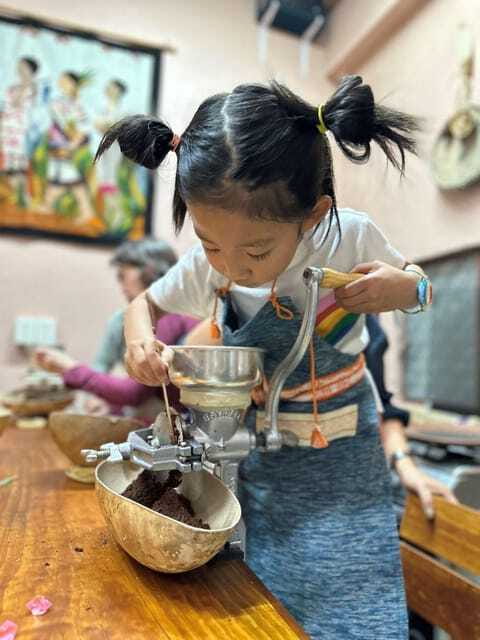
Now you get to mix your drink the traditional way. You’ll prepare your chocolate beverage using a molinillo, a classic tool used to blend and aerate chocolate drinks in Mesoamerican traditions.
This step is hands-on in a different way than roasting. It’s about rhythm and integration. The goal is a drink that tastes cohesive, not grainy or uneven. As you mix, you’ll feel how the paste and added components behave, and that physical feedback is actually useful learning.
It also gives you something to do right at the end of the workshop when you’re finally tasting. You’re not just handed a cup. You build the process and then see how it turns out.
If you like tactile cooking—coffee tools, frothers, mortar-and-pestle work—this is the moment you’ll feel most comfortable. If you’re more used to premade mixes, the molinillo might be the first time you realize traditional tools exist because they work.
Tasting and snack pairing: how to judge what you made
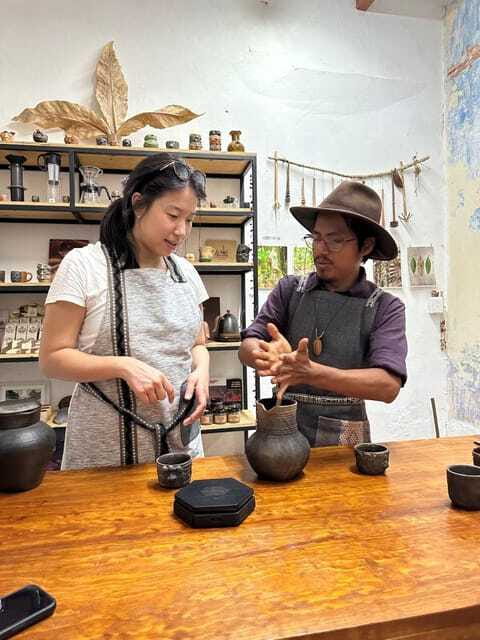
After mixing, you’ll taste your chocolate drink with a snack based on cocoa flavors. This is a nice final checkpoint. Your drink has flavors; the snack gives you a comparison point so you can notice how chocolate plays with other local flavors.
This is also where all the earlier steps line up. If you roasted differently, your flavor profile changes. If you ground differently, texture changes. If your sugar percentage is off, balance changes. The tasting stage helps you link cause and effect.
One of the best aspects from reviews is that people came away understanding that chocolate here doesn’t have to be bitter in the European expectation way. You’ll learn why cacao in this context can taste more nuanced, and how your own choices (especially sugar) shape that result.
Just remember: your taste buds will adapt during the session. Start tasting with a clean mind, then notice how your impressions evolve.
Take-home chocolate: what you get and why it’s good value
You’ll leave with handcrafted chocolate to take home. This is one of the features that makes the $98 feel less like paying for an activity and more like paying for an edible souvenir made during the session.
Take-home value is underrated. A lot of tours end at the tasting, and you walk away with photos. Here, you get something you made and can replicate or share.
The take-home item also means you’re not stuck trying to remember the process later with a hazy memory. If you did the steps yourself—roasting, peeling, grinding, mixing—then reproducing even part of the method becomes realistic.
This is the kind of souvenir that justifies the small-group workshop price, especially because transportation isn’t included and you want to make sure you’re getting more than a short experience.
Price and logistics: is $98 worth 3 hours in Oaxaca?
Let’s talk value plainly. At $98 per person for 3 hours, you’re paying for guided, small-group instruction (only up to 6), materials for the food process, tasting and snack, and a handcrafted chocolate product to take home. You’re also paying for bilingual instruction in English and Spanish and for a setting that supports hands-on work.
What’s not included is transportation. So if you’re far from Centro, you’ll spend extra time or money getting there. Still, the meeting point is clearly in the historic heart area, so it’s easiest if you’re already based nearby.
Also consider what you want from Oaxaca. If you want a cultural food experience that actually teaches you how chocolate is made in an artisanal way, this is strong value. If you only want a passive tasting with minimal hands-on work, you might not get as much out of it.
Who this cocoa experience suits best (and who should skip it)
This tour fits best if you’re the type of traveler who:
- enjoys food craft more than museum-style learning
- wants to taste with understanding, especially around cacao vs chocolate
- likes small-group settings where you can ask questions
- wants a hands-on souvenir you can share later
It’s not suitable for children under 3, and it’s not for people with food allergies. Also, no pets, and smoking isn’t allowed.
If you’re sensitive to mess or you hate hands-on peeling, consider whether you’re comfortable with messy food work. You can wear clothes you don’t mind getting a little cocoa on them.
Final call: should you book Oaxaca: The Cocoa Experience?
I’d book it if you want a real skill, not just a sweet taste. The combination of roasting on a San Marcos Tlapazola comal, hand peeling and grinding, mixing with a molinillo, and ending with tasting plus take-home chocolate is a full circle. The reviews point to strong clarity from the host, a friendly atmosphere, and a surprisingly high-quality experience that teaches more than you expect.
Skip it if you’re looking for a purely seated, hands-off tasting, or if allergies are in play. And if you’re tight on time, remember it’s 3 hours, so it’s focused, not slow and lingering.
If you’re in Oaxaca and you care about how food connects to place and people, this one is easy to recommend.
FAQ
How long is the cocoa workshop?
It lasts 3 hours.
How many people are in the group?
The group is small, limited to 6 participants.
What does the price include?
It includes an introduction to Oaxacan cocoa, roasting, peeling and grinding, mixing chocolate with regional ingredients, preparing a chocolate beverage, tasting with a snack, and handcrafted chocolate to take home.
Is transportation included?
No. Transportation to the venue is not included.
What languages are offered?
The instructor speaks English and Spanish.
What should I bring?
Bring comfortable shoes, comfortable clothes, water, and snacks.
Are there restrictions for kids or allergies?
Children under 3 years aren’t suitable, and it’s not suitable for people with food allergies.
Can I bring a pet or smoke?
Pets are not allowed, and smoking is not allowed.