REVIEW · OAXACA DE JUAREZ
Tradicional Oaxacan Dinner on Agronomic Biodiversity_01
Book on GetYourGuide →Operated by Etnofood · Bookable on GetYourGuide
Edible plants and mezcal, plus one focused night. This Oaxaca dinner pairs Zapotec roots with flavors shaped by later European influence, and it’s set in a working food lab that feels like you’re stepping into the way locals eat and talk about ingredients.
What I like most is how the meal is built around local foods—flowers, tubers, and plants—and how that ingredient story stays practical instead of just decorative.
The second big win for me: you get smooth organic mezcal tied to a cooperative the group works with, not just a random drink. One drawback to consider: this is a cooking-and-food-exploration format, so if you’re expecting a very specific event style, confirm what’s included when you book so the evening matches your idea of the experience.
In This Review
- Key things to know before you go
- Teolab in Oaxaca: your food-lab start point
- Zapotec cuisine with European influence, plus edible plants
- The multi-course dinner: slow kitchen work and mezcal as part of the flow
- How maize, amaranth, and cocoa show up in the learning story
- Diet restrictions: how to ask for accommodations that actually work
- What you’ll likely do during the two hours (and why it feels different)
- Price and value for a $64 per-person dinner
- Small group dinner: why 10 people feels worth it
- A practical consideration: expectations and transparency matter
- Should you book this Oaxacan Dinner experience?
- FAQ
- How much does the Oaxacan Traditional Dinner cost?
- How long is the experience?
- Where does the dinner take place?
- Is transportation included?
- What’s included in the price?
- Is the group small?
- What languages are offered?
- Can the dinner accommodate dietary restrictions?
- Is it wheelchair accessible?
- What is the cancellation and booking policy?
Key things to know before you go
- Teolab food lab setting: you start inside a culinary space with lots of options around Oaxaca, so it’s easy to pair with other plans.
- Zapotec cuisine with later influences: pre-Hispanic foundations shaped by European conquest flavors.
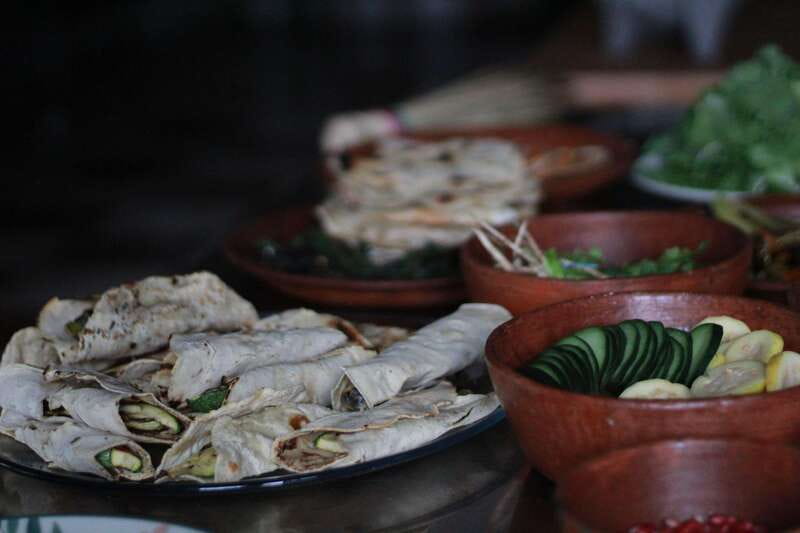
- Local plants on the menu: edible flowers, tubers, and other plants are part of the experience, not an afterthought.
- Seeds as a learning thread: maize, amaranth, and cocoa come up as part of the gastronomy story.
- Mezcal from a cooperative connection: organic mezcal is part of the night’s flow.
- Small group size: limited to 10 people, so you’re not lost in a crowd.
Teolab in Oaxaca: your food-lab start point
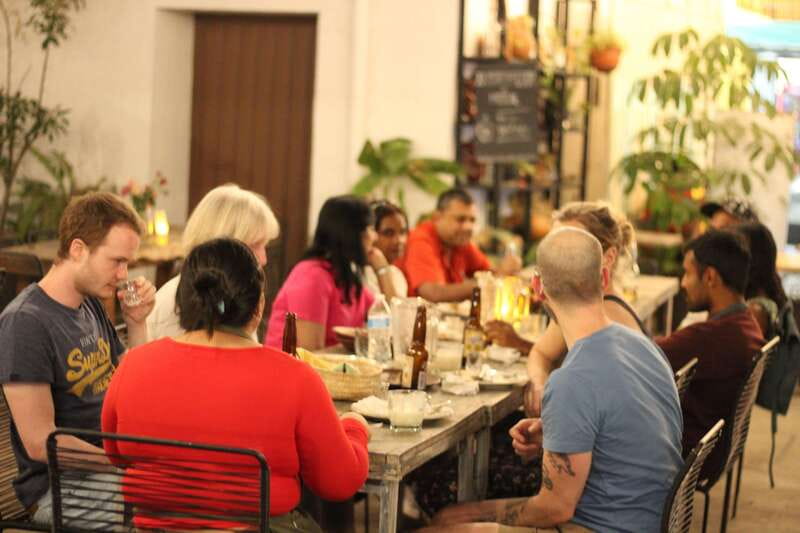
This experience is based in Teolab, a food lab in Oaxaca. That matters more than it sounds. A food lab usually means fewer “tour-bus” vibes and more time spent on ingredients, technique, and food culture. It also helps you plan the rest of your evening: Teolab sits in an area with other culinary choices, so you’re not stuck waiting around if you want something before or after.
You’ll be there for about two hours. That’s a good length for a meal experience: long enough to feel like a real dinner with a story, not so long that it drains your whole night.
You also get a small group—up to 10 participants. That size is ideal in a hands-on food setting. If you have questions about what you’re eating, or you want to understand the ingredient logic, there’s room to actually ask.
You can also read our reviews of more tours and experiences in Oaxaca De Juarez

Zapotec cuisine with European influence, plus edible plants
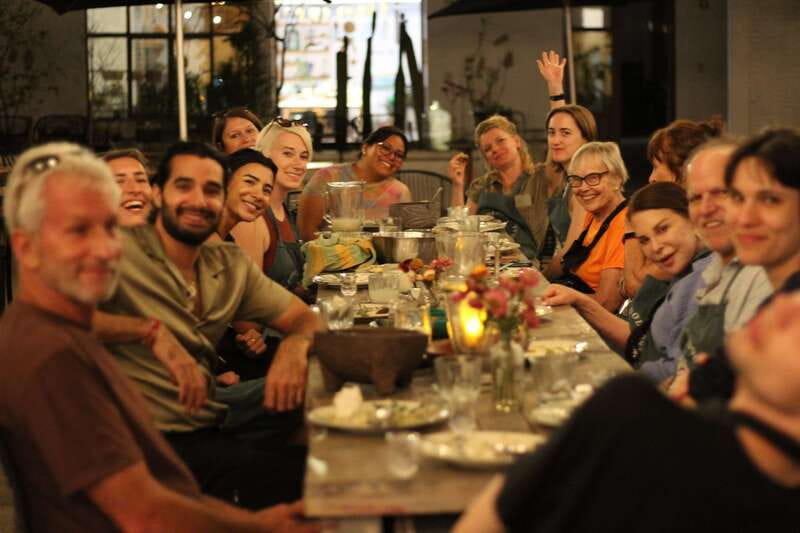
The core idea here is Zapotec cuisine—deeply rooted in pre-Hispanic culture—and it also includes flavors that came later through the European conquest era. In practice, that can mean the cooking approach and ingredient choices carry older foundations, while the seasoning and methods reflect later contact.
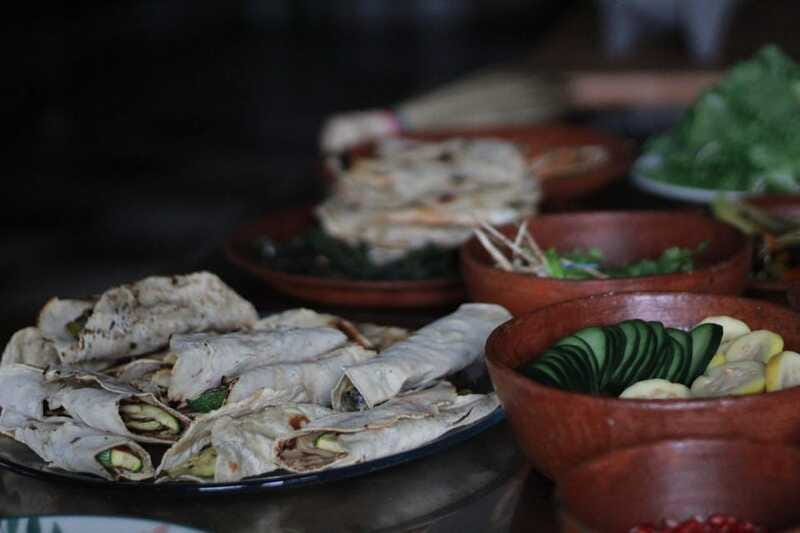
The experience leans hard into agronomic biodiversity, meaning you’re not just sticking to the usual restaurant staples. You can expect them to work with local foods like edible flowers, tubers, and other plants. For me, this is the difference between a typical tasting and something more memorable: you’re learning how people eat what grows around them, and why those choices make sense in Oaxaca’s climate and farming traditions.
If you’re the type who enjoys knowing what you’re tasting (and why it exists), you’ll probably appreciate the way the dinner ties back to plants and how they’re used. It’s not just about novelty. It’s about food systems—how land, crops, and cooking meet on your plate.
The multi-course dinner: slow kitchen work and mezcal as part of the flow
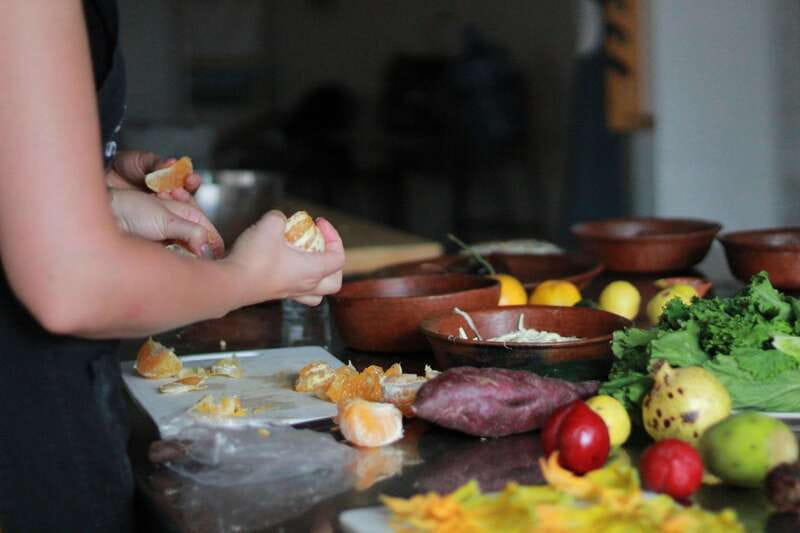
The dinner is a full multi-course format. You’ll also have included beverages like water. That keeps the evening simple: you show up, you eat, and you stay hydrated—always a smart move in warm Oaxaca weather.
What makes this worth paying attention to is the kitchen process. Everything is prepared in their kitchen, and they emphasize slow preparation. Slow cooking often shows up in texture and balance: sauces that aren’t rushed, ingredients handled with care, and flavors that don’t taste like they were assembled at the last second.
Then there’s mezcal. The highlights call out smooth organic mezcal, and the info notes mezcals are part of the cooperative they collaborate with. So this isn’t just a token pour. The mezcal is woven into the night’s experience and likely connected to the same food-and-land thinking as the plant ingredients.
Practical note: if you don’t drink alcohol, tell them ahead of time. The provided info says the project integrates various diets and aims to accommodate restrictions, but it doesn’t spell out a non-alcohol replacement. Communicating your needs early is the best way to avoid last-minute surprises.
How maize, amaranth, and cocoa show up in the learning story
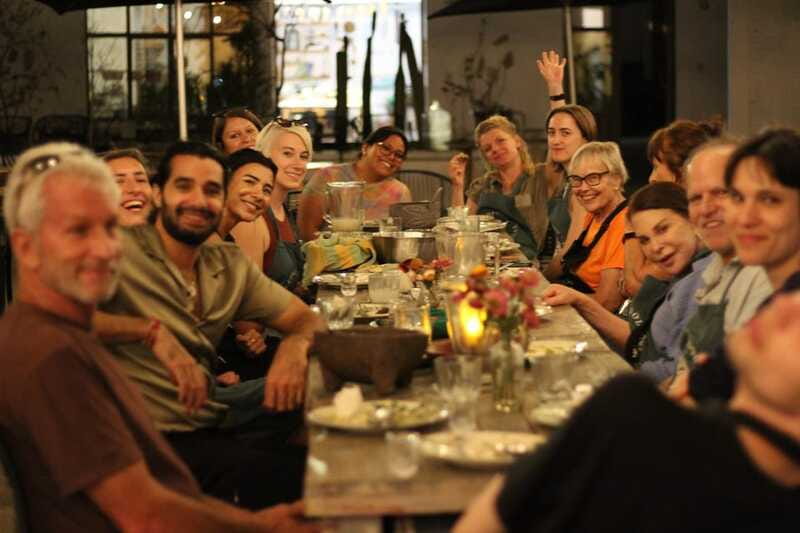
One of the most interesting parts is the ingredient education thread. They mention presenting seeds like maize, amaranth, or cocoa as part of a deeper look at gastronomy and how it connects to Oaxaca.
Even if you don’t care about botany, seed-based food stories tend to change the way you eat. Maize is obvious—tortillas, masa, everyday staples. Amaranth tends to be less familiar to visitors, but it’s a powerful crop with a long use in the region. Cocoa also has a place in Oaxaca beyond chocolate bars.
The way this is framed matters: it’s not an academic lecture. It’s part of how the meal is explained and how you’re guided through what you’re tasting. For a food trip, that’s exactly what you want. You leave with knowledge you can use in other places—like when you see local markets or try to understand what’s in a dish besides the obvious.
Diet restrictions: how to ask for accommodations that actually work
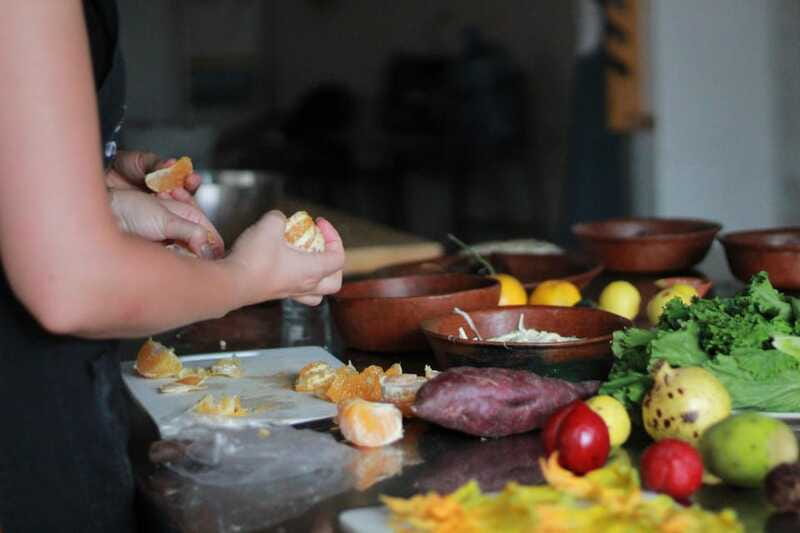
This is the part that can make or break your experience, so treat it seriously. The dinner is designed to integrate various diets, and they ask you to let them know what you cannot eat and what you prefer. The more detailed you are, the better they can personalize the evening.
So when you book, don’t do the vague version. Instead, send specifics like:
- ingredients you must avoid (for example: certain vegetables, nuts, dairy, etc.)
- whether you avoid alcohol or certain drinks
- preferences like vegetarian or lighter options
The dinner includes plants, flowers, and tubers by design. That means if you have even mild sensitivities, it’s worth being clear. And if your restrictions are complicated, write them down in a single message rather than scattered notes.
Also, this is a guided experience led by an expert chef. That helps. A real chef can often adjust a dish more intelligently than a standard restaurant kitchen. But they need the right information ahead of time.



What you’ll likely do during the two hours (and why it feels different)
While the exact minute-by-minute flow isn’t listed here, the experience is clearly structured around a few repeating elements:
- you meet in the Teolab food lab setting
- you get guided context tied to Zapotec cooking and local ingredients
- you enjoy a multi-course dinner prepared in their kitchen
- you participate in the food culture experience in an Oaxacan-style way
The info even hints at interaction: they say come and cook with us, Oaxacan-style. That doesn’t mean you’ll be doing everything alone. It more likely means you’ll be involved in the kitchen experience enough to understand what’s happening, even if the chef is doing the main cooking.
Why this works for you: it turns dinner into a conversation with your senses. You don’t just consume food. You learn how they think about food—ingredients first, then technique, then flavor.
And yes, it’s still a dinner. You’re going to eat. The practical goal is that you leave satisfied and also a little smarter about Oaxaca’s food logic.
Price and value for a $64 per-person dinner
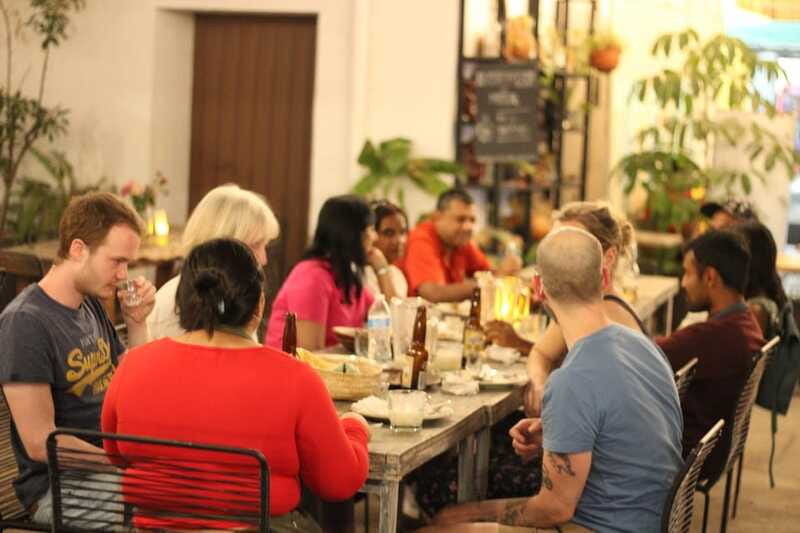
At $64 per person for about two hours, you’re paying for more than plates. You’re paying for:
- a guided, chef-led experience
- a full multi-course dinner
- included beverages like water
- a kitchen-prep approach that includes slow cooking
- ingredients that go beyond the easiest-to-find tourist menu items
- a small-group setting that supports real questions
In Oaxaca, you can find cheaper meals if you’re just eating to fill your stomach. But if your goal is a guided food education evening—especially one centered on local plants and a mezcal connection—this price can make sense.
What pushes it into value territory is the combination. Many “tasting experiences” either cost a lot and give you little, or they give you a lot but with weak explanation. Here, the emphasis is on ingredients, seeds, and context, and the group size stays small.
One caution on value: if you end up with a mismatch between what you expected and what’s served that night, the price can feel harder to justify. If you have a specific priority (like mezcal focus, plant-heavy courses, or a particular diet), confirm details early so you get what you came for.
Small group dinner: why 10 people feels worth it
A group limited to 10 is not just a comfort feature. It changes the whole vibe. In a small dinner, the chef and guide can:
- explain ingredients without rushing
- respond to dietary questions
- keep the energy moving without chaos
It also means you’re less likely to feel like you’re watching from the side. Even if you’re not cooking your own meal, you’ll probably feel included.
This is a good size for couples, solo travelers, and small friends groups who want something social without the noise level of big tours.
A practical consideration: expectations and transparency matter
Here’s the honest part. This kind of experience depends on prep, ingredients, and a smooth plan. One inconsistent booking experience can happen when an event shifts format or preparation wasn’t ready for the group at arrival.
You can protect yourself with one simple habit: before you go, review what’s included and message the provider with your key needs and expectations. If mezcal is a highlight for you, say so. If you’re avoiding certain foods, list them clearly again. And if you need a specific diet accommodation, ask what they can do for your restriction category.
The goal isn’t paranoia. It’s making sure the evening you’re paying for is the evening you actually want.
Should you book this Oaxacan Dinner experience?
Book it if you want a guided night focused on Zapotec food roots, local plants, and an ingredient story that connects crops like maize, amaranth, and cocoa to real eating. If you like mezcal culture and you enjoy learning how food systems shape what’s on the table, this fits your style.
Skip or think twice if you need a very predictable, restaurant-only type of dinner with zero surprises. Since edible flowers and plant ingredients are part of the concept, you’ll want to be comfortable with tasting and explanation. And if your expectations are extremely specific about the event format, confirm ahead of time so you don’t end up feeling off-target.
If you’re flexible, curious, and ready to eat something a bit different than the standard Oaxaca menu, this is a strong choice for a memorable two-hour evening at Teolab.
FAQ
How much does the Oaxacan Traditional Dinner cost?
It costs $64 per person.
How long is the experience?
The experience lasts 2 hours.
Where does the dinner take place?
The meeting point is within Teolab, a food lab in Oaxaca.
Is transportation included?
No. Private transportation is not included.
What’s included in the price?
You get a full multi-course dinner, included beverages (like water), fresh local ingredients, and a culinary experience guided by an expert chef.
Is the group small?
Yes. It’s limited to a small group of up to 10 participants.
What languages are offered?
The instructor speaks English and Spanish.
Can the dinner accommodate dietary restrictions?
Yes. The project integrates various diets and aims to accommodate restrictions. Tell them what you cannot eat and what you prefer for better personalization.
Is it wheelchair accessible?
Yes, the experience is listed as wheelchair accessible.
What is the cancellation and booking policy?
You can cancel up to 24 hours in advance for a full refund. You can also reserve now and pay later to keep your plans flexible.