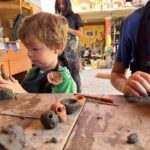
REVIEW · OAXACA CITY
Oaxacan Dinner on Agronomic Biodiversity
Book on Viator →Operated by Etnofood Experiencias · Bookable on Viator
A mezcal dinner with seeds and flowers? Sounds odd, right. But this Oaxaca City experience turns agronomic biodiversity into a hands-on, tasty explanation you’ll remember. I love the small-group setup (max 8) and the way you cook alongside a traditional Zapotec cook while learning how local mezcal connects to Oaxaca flavors. One possible drawback: if you want a completely sit-and-watch meal, this is geared for people who want to cook and participate, not just observe.
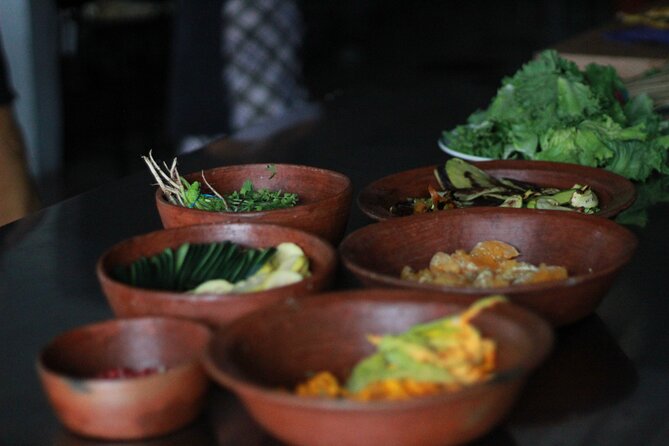
What makes it interesting is the theme: ingredients grown and harvested in Oaxaca—things like local flowers, tubers, and plants—plus a short education on seeds such as corn, amaranth, and cocoa. The menu leans into pre-Hispanic roots but also acknowledges how cuisine evolved after European contact, so you get both tradition and change.
It’s also well timed for a food-first evening: it starts at 7:30 pm and runs about 2 hours. You’ll meet at EtnofoodXicoténcatl 609 in Centro, and it ends back there. It’s offered in English, with alcoholic drinks, coffee or tea, and filtered water included—no private transportation needed.
In This Review
- Key things I’d circle on your Oaxaca food plan
- Oaxaca City’s agronomic dinner: a meal that teaches without lecturing
- Teolab at 7:30 pm: what the 2-hour rhythm feels like
- Step-by-step: how the dinner unfolds
- Starter: a pre-Hispanic entrance
- Main dish: two-course main with a live-prep feel
- Dessert: a seasonal closing plate
- The cooking experience: participation without pressure
- Mezcal pairing talk: what organic means in your glass
- Oaxaca ingredients you might not expect: flowers, tubers, and seed stories
- What’s included (and what to plan for)
- Price check: $59.51 per person and the value question
- Who should book this, and who should skip it
- Quick tips to make your evening smoother
- Should you book Oaxaca Hidden Dinner on agronomic biodiversity?
- FAQ
- What time does the dinner start?
- How long does the experience last?
- Where is the meeting point in Oaxaca City?
- Is the experience offered in English?
- What group size should I expect?
- What’s included in the price?
- Is private transportation included?
- What is the cancellation window for a full refund?
- Final verdict: book it or pass
Key things I’d circle on your Oaxaca food plan
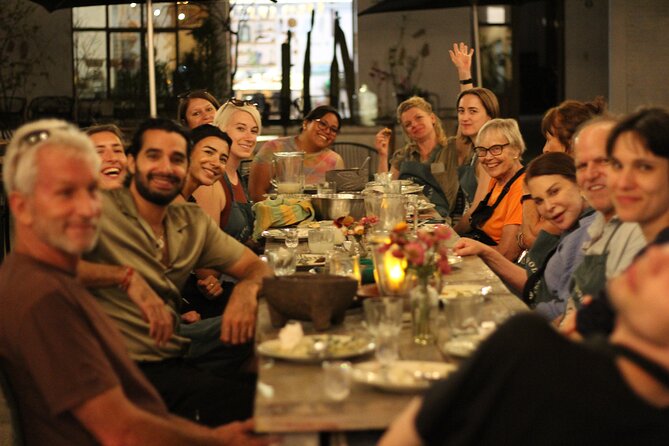
- Max 8 people, so you actually get to ask questions and see the prep
- Zapotec cook + slow kitchen work, including mezcals tied to a cooperative
- A menu built around pre-Hispanic dishes and seasonal products
- Organic mezcal pairing talk, focused on matching tastes from Oaxaca
- Local ingredients you might not see at restaurants, like flowers and tubers
- You cook (or at least participate), so it’s more than just a tasting
Oaxaca City’s agronomic dinner: a meal that teaches without lecturing
Oaxaca City is full of excellent restaurants, but this experience is different because the food comes with context. The big idea here is agronomic biodiversity: the notion that Oaxaca agriculture isn’t one-size-fits-all. Different plants, seeds, and growing methods support different flavors—and those flavors show up at the table.
You’ll see that concept put into practice. The dinner is designed around local products grown and harvested in Oaxaca, and the kitchen work is described as slow and deliberate. That matters because slow cooking tends to bring out the character of ingredients that can get flattened in fast, industrial food. Instead of treating local food as a novelty, the evening presents it as the main event.
And then there’s mezcal. This isn’t just mezcal tourism. The plan is to talk about how to combine a good organic mezcal with the flavors of Oaxaca. That turns the drinks into part of the learning arc, not a side show.
You can also read our reviews of more tours and experiences in Oaxaca City

Teolab at 7:30 pm: what the 2-hour rhythm feels like

This dinner starts at 7:30 pm and runs about 2 hours. That’s a sweet spot: late enough for a full day in Oaxaca, early enough that you’re not wandering around hungry at midnight.
The meeting point is EtnofoodXicoténcatl 609, Centro, Oaxaca de Juárez. It’s near public transportation, which is practical in a city where taxis and rides can be fine but parking and traffic can be annoying. The activity ends back at the meeting point, so you’re not stuck figuring out where to go next.
The experience is offered in English, and the group size is capped at 8. That small number makes a big difference. It reduces the common dinner-tour problem where you’re one of many faces and nothing feels personal. Here, you’re more likely to get explanations as you go, especially when it comes to ingredients and the cooking steps.
Step-by-step: how the dinner unfolds

There’s one main “stop” listed: Teolab. In practice, this functions like the kitchen setting where you’ll prepare and share the meal.
Starter: a pre-Hispanic entrance
Your first course is a starter called an entrance, described as pre-Hispanic. Expect it to set the tone: traditional roots, local ingredients, and the idea that Oaxaca cuisine doesn’t start at the same place as European-style menus.
Even if you’re not sure what the exact dish will be, the structure matters. A pre-Hispanic starter gives you a baseline before the meal shifts into a broader “Oaxaca flavors” direction.
Main dish: two-course main with a live-prep feel
The main part of the meal is built in two layers:
- A pre-Hispanic Oaxacan dish that anchors the menu in indigenous culinary traditions.
- A second dish designed for the unique experience in the city, where you can see the preparation.
That “see the preparation” piece is key. A lot of tasting dinners hide the cooking. Here, the pacing is more transparent, and you get a clearer idea of what ingredients are doing when they hit the pan and pot.






Dessert: a seasonal closing plate
Dessert is a closing plate, and it’s described as a surprise depending on seasonal products. This is where agronomic biodiversity becomes very real. If a dish is built around what’s in season, the menu can shift throughout the year. That also means your experience may not be identical to someone else’s month.
Seasonal desserts can be hit or miss in some tours, but the structure here is aligned with the core theme: the kitchen uses local, Oaxaca-grown ingredients, and dessert is part of that philosophy.
The cooking experience: participation without pressure

This is marketed as a dinner where you prepare the products in the kitchen. The listing also notes that it’s for people who want to cook. So treat it as a participatory meal, not a formal cooking class where you’re graded and timed.
The best way to get value is to lean in. Ask questions about ingredients, watch how the prep moves slowly, and pay attention to why certain flavors work together. That’s where the evening earns its keep beyond just feeding you.
Also, the group size helps. With a maximum of 8 people, there’s more room for hands-on involvement and clearer communication. If you’re traveling solo or with friends, you’ll still feel part of the process rather than stuck at the edge.
Mezcal pairing talk: what organic means in your glass
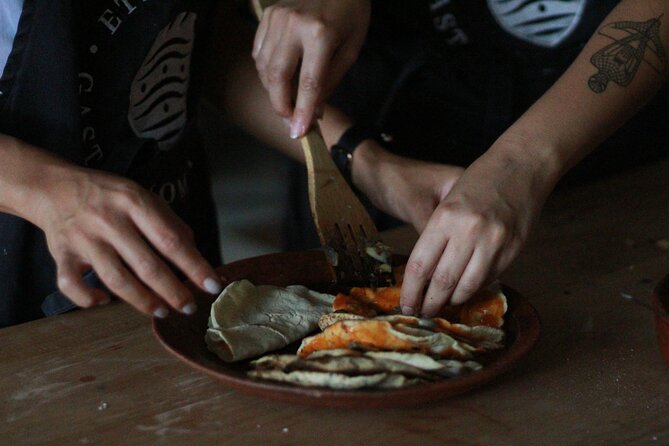
Mezcal is included, and there’s an explicit theme around combining mezcal with Oaxaca flavors. The wording points to an emphasis on a good organic mezcal, plus mezcals that are part of a cooperative the group collaborates with.
Practically, this means you’re less likely to get generic mezcal facts like just where it’s made. Instead, you should expect pairing guidance—how mezcal’s character interacts with the foods coming out of the kitchen.
If you care about taste (and not just alcohol), this part is the “why” of the meal. A mezcal dinner can be fun with no learning at all, but a pairing lesson gives you something to carry home: how to think about flavor balance and matching.
Oaxaca ingredients you might not expect: flowers, tubers, and seed stories

Here’s one of the most praised directions of this dinner: it’s not only about classic Oaxaca dishes. It’s about local plants and seeds that are part of everyday agriculture in the region.
You’ll learn about eating local flowers, tubers, and plants as a unique experience. That matters because many visitors come to Oaxaca expecting mole, tlayudas, and mezcal—great, but also a bit predictable. This dinner uses the theme to widen your frame.
Seeds get specific mention: corn, amaranth, and cocoa. Corn is the obvious star in Oaxaca cuisine, but amaranth and cocoa show a broader picture of indigenous food systems. Cocoa in particular is a reminder that chocolate didn’t arrive as a standalone trend; it came from complex agricultural and cultural histories. Even without a deep scientific explanation, you’ll likely leave with better context for why these ingredients show up.
This is also where the agronomic biodiversity angle becomes more than branding. If the kitchen uses a variety of plants and ingredients tied to the local growing environment, the flavors aren’t interchangeable. They have texture, aroma, and depth that reflect the land.
What’s included (and what to plan for)
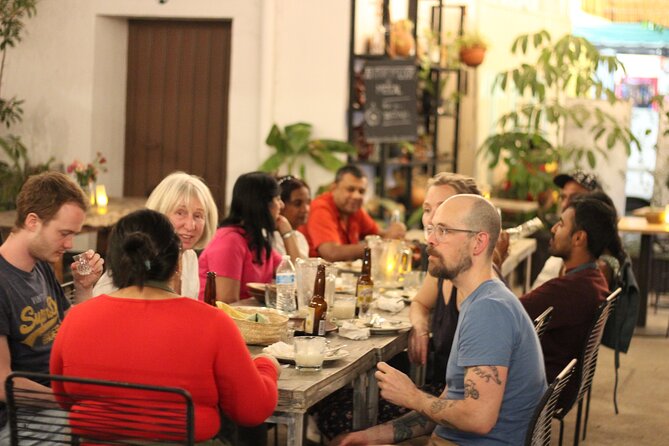
Your dinner includes:
- Materials and supplies
- Dinner
- Alcoholic beverages
- Coffee and/or tea
- Filtered water (the description says water without a bottle, filtered)
Not included:
- Private transportation
That “not included” note is mostly a non-issue because the meeting point is near public transportation, and the activity returns to the start location. So you can plan on getting there by foot, bus, or a short taxi ride and then staying put for the full experience.
Since alcohol is included, be sure you’re ready to slow down afterward. If you’re planning a late-night stop after dinner, consider having a safe ride plan.
Price check: $59.51 per person and the value question
At $59.51 per person, this isn’t the cheapest meal in Oaxaca City—but it also isn’t priced like a luxury tasting menu where you’re paying mainly for status.
You’re paying for several bundled elements:
- A small group format (max 8)
- A traditional Zapotec cook and guided explanations
- A full dinner structure: starter, main, dessert
- Alcoholic beverages including mezcal
- Coffee or tea
- A hands-on component with kitchen prep and materials
If you compare it to “dinner + mezcal drinks” at a restaurant, you might think it’s pricey. But the real value is in the teaching and the process. You’re not just consuming food; you’re seeing how dishes come together slowly, and you’re hearing how mezcal connects to Oaxaca flavors. That’s harder to price, but it’s what makes experiences like this worth doing at least once.
If your travel style is mostly street food and quick bites, you may find it more expensive than you want. If you like meals with structure and explanations that don’t feel stiff, this price can make sense.
Who should book this, and who should skip it
This experience is a strong fit if:
- You want a cooking-included dinner, not just a tasting
- You like Oaxaca food beyond the usual top hits
- You care about mezcal and want pairing ideas
- You enjoy sustainability and local ingredient stories when they’re tied directly to what’s on your plate
It’s possibly not the best fit if:
- You prefer a completely passive dining experience
- You’re looking for a short, drop-in bite rather than a full 2-hour meal
- You don’t drink alcohol and don’t want it part of the package (the dinner includes alcoholic beverages)
For the sweet spot: it’s ideal for couples, friends, and small groups who want a guided night that feels intimate and practical.
Quick tips to make your evening smoother
- Go hungry. This is a full dinner with multiple courses.
- Ask questions during the mezcal pairing part. That’s where you’ll get your best practical takeaways.
- Wear comfortable clothes. Kitchens can be warm and active.
- If you’re planning other nights out, schedule this before late drinks, since alcohol is included.
Should you book Oaxaca Hidden Dinner on agronomic biodiversity?
If you’re in Oaxaca City for a few days and you want one evening that goes beyond eating, I’d book it. The small group cap, the Zapotec cook angle, the agronomic biodiversity theme, and the mezcal pairing talk add up to more than a meal. It’s also timed well and returns you to the start point, which makes it easy to fit into your schedule.
Skip it only if you strongly dislike participatory cooking moments or you prefer your food education separate from dinner. Otherwise, this is a smart use of your time: a night where Oaxaca’s land, ingredients, and flavors all show up together at the table.
FAQ
What time does the dinner start?
It starts at 7:30 pm.
How long does the experience last?
It lasts about 2 hours.
Where is the meeting point in Oaxaca City?
You meet at EtnofoodXicoténcatl 609, Centro, 68000 Oaxaca de Juárez, Oaxaca.
Is the experience offered in English?
Yes, it is offered in English.
What group size should I expect?
The experience has a maximum of 8 travelers.
What’s included in the price?
It includes the dinner, alcoholic beverages, coffee and/or tea, filtered water, and materials and supplies.
Is private transportation included?
No, private transportation is not included.
What is the cancellation window for a full refund?
You can cancel up to 24 hours in advance for a full refund.
Final verdict: book it or pass
Book it if you want an Oaxaca City dinner that’s small, structured, and tied to local agriculture and mezcal pairing. Pass if you want a purely sit-down meal with no cooking involvement, or if you’d rather keep your budget strictly to street food and casual restaurant meals.