REVIEW · OAXACA CITY
Oaxaca city bike ride – History & traditions
Book on Viator →Operated by Bike Flow Oaxaca · Bookable on Viator
Old Oaxaca makes sense on two wheels. This 2.5-hour bike loop threads together six meaningful stops, from a major cemetery to church views, and it’s one of the easiest ways to spot the city’s patterns. I also love the way street art murals in Jalatlaco get treated as part of the living culture, not just a photo stop.
The main thing to plan for is the ground under you: expect uneven cobblestones and a ride where you’ll sometimes look down to avoid holes or large stones. That doesn’t ruin the tour, but it does mean you won’t always have time to stare up at every detail while you’re moving.
In This Review
- Key highlights that make this Oaxaca bike ride worth your time
- Why an Oaxaca bike loop is a smart way to learn neighborhoods fast
- Bike Flow Oaxaca meeting point and what the 2.5-hour ride feels like
- Stop-by-stop: from Panteón General to the Basilica de la Soledad
- Stop 1: Panteón General (20 minutes)
- Stop 2: Templo de San Matías Jalatlaco (20 minutes)
- Stop 3: Parque Juárez El Llano for natural nieves (20 minutes)
- Stop 4: Los Arquitos de Xochimilco (15 minutes)
- Stop 5: Templo de Santo Domingo de Guzmán (15 minutes)
- Stop 6: Basilica de Nuestra Señora de la Soledad (20 minutes)
- What you learn from the exact mix of stops (and what you won’t)
- Guides, pacing, and the small-group advantage you can feel
- Price and value: is $38.81 a fair deal?
- Practical tips so the bumpy parts don’t distract you
- Should you book this Oaxaca City bike ride?
- FAQ
- How long is the Oaxaca City bike ride?
- Is the tour offered in English?
- Where does the tour meet and where does it end?
- How long are the stops?
- Are admissions included for all stops?
- What if the weather is bad or plans change?
Key highlights that make this Oaxaca bike ride worth your time
- Small group size (up to 8) keeps the pacing friendly and makes it easier to ask questions.
- Six stops in about 2.5 hours gives you a strong first-map of Centro without burning your whole day.
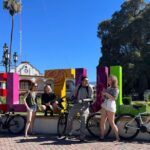
- Jalatlaco murals at the Templo de San Matías Jalatlaco connect art to neighborhood identity.
- El Llano park for traditional nieves adds a tasty, local rhythm break mid-ride.
- Old neighborhood history at Los Arquitos de Xochimilco goes beyond the usual big sights.
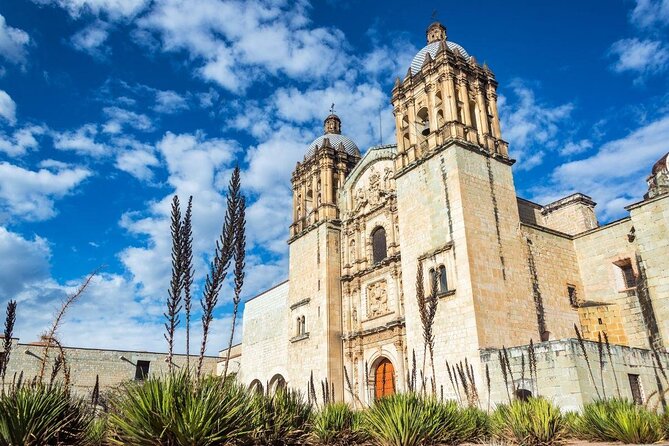
- Historic churches, including Santo Domingo and the Basilica de la Soledad give you landmark scale and city-center views.
Why an Oaxaca bike loop is a smart way to learn neighborhoods fast
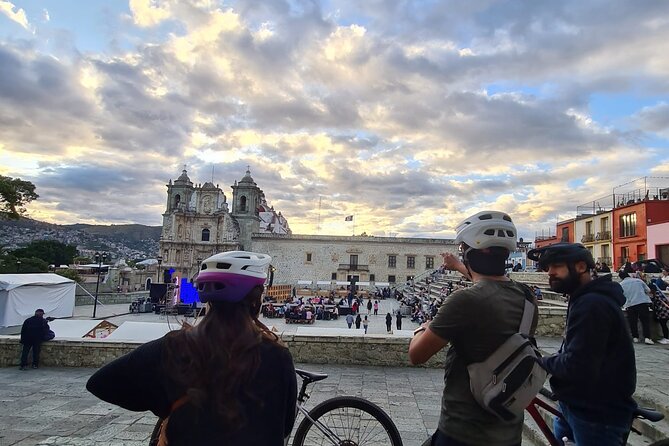
Oaxaca City is best understood by moving through it. On foot, you can see individual places, but you miss the spacing between neighborhoods and how the city “layers” its culture street by street. This tour uses a bike to stitch together cemetery, residential streets, parks, and major churches into one practical circuit.
The big payoff is that you’re not just collecting landmarks. You’re getting a sense of how different spaces carry different meanings: memory in the cemetery, faith in the churches, community in the murals, and everyday tradition in a park with nieves. For your first or second day in town, that kind of overview helps you decide what’s worth a longer walk later.
Also, the tour is built to be approachable. It’s offered in English, and the format is timed so most people can participate. With a maximum of 8 travelers, it also feels less like a cattle-call and more like a guided stroll on wheels.
You can also read our reviews of more cycling tours in Oaxaca City

Bike Flow Oaxaca meeting point and what the 2.5-hour ride feels like
You’ll start at Bike Flow Oaxaca (Mártires de Tacubaya 101, Ruta Independencia, Centro, 68000 Oaxaca de Juárez, Oax., Mexico). The meeting point being in Centro matters because it keeps the route efficient. You’re also near public transportation, which helps if you’re mixing tours or coming straight in from the bus station area.
The schedule is about 2 hours 30 minutes total, with stops ranging from 15 to 20 minutes each. That stop length is a sweet spot for a history-and-traditions tour: enough time to hear context and look around, not so much time that you feel stuck at a single spot.
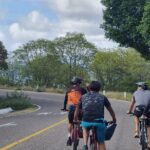
Expect a ride that’s more “city streets reality” than smooth bike-lane fantasy. Guides like Humberto and Eric are mentioned as helping with bikes and helmets quickly, which is exactly what you want before you roll out. And yes, the ride can be bumpy on older stones. If you’re sensitive to uneven surfaces, keep that in mind.
Stop-by-stop: from Panteón General to the Basilica de la Soledad
This tour moves through Oaxaca’s story in a clear order: cemetery history, neighborhood color, park tradition, older community roots, and big church landmarks. Each stop is short, but they’re chosen so the themes build on each other.
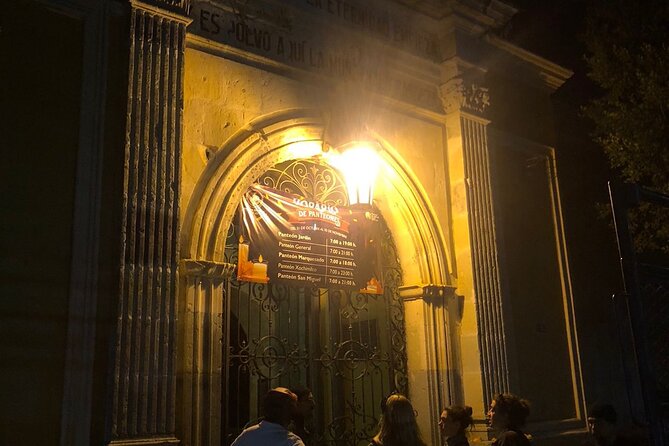
Stop 1: Panteón General (20 minutes)
You begin at Panteón General, described as the first cemetery of Oaxaca. This is your entry point into how Oaxaca remembers its past. Instead of treating it like a grim detour, the guide frames the cemetery as a place with history and importance, so you can understand why these sites matter to local culture.
One practical note: admission is not included here. You’ll want to budget for that cost and avoid planning this stop as a free add-on.
Stop 2: Templo de San Matías Jalatlaco (20 minutes)
Next is San Matías Jalatlaco, one of those neighborhoods you feel immediately once you’re in it. The tour focuses on the street art and murals along the route, turning public art into a history lesson.
This stop is free, and it works especially well if you like photography but also want context for what you’re seeing. You’ll be walking and looking around, but the pace still keeps you moving toward the next neighborhood.
You can also read our reviews of more city tours in Oaxaca City





Stop 3: Parque Juárez El Llano for natural nieves (20 minutes)
Then you land in Parque Juárez – El Llano, where the tour slows down for something practical and delicious: traditional natural nieves. This isn’t just a snack break. It’s a small cultural stop that shows you how everyday traditions exist right inside the city’s public spaces.
Admission here is listed as free. The nice part is timing: you’re not stuck on an empty stomach, and you’re not only relying on museums or churches to make the day feel full.
Stop 4: Los Arquitos de Xochimilco (15 minutes)
From the park scene, you shift into Los Arquitos de Xochimilco. The focus is on the history and importance of the old neighborhood of Xochimilco. Even though the stop is only about 15 minutes, it’s designed to give you a “now I get it” feeling about why certain areas have their own identity.
Because it’s shorter, it can work like a focused primer. You’ll probably want to revisit the area on your own after the ride if something clicks.
Stop 5: Templo de Santo Domingo de Guzmán (15 minutes)
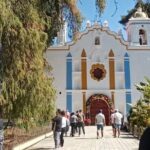
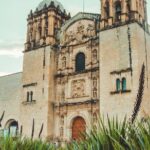
Next comes Templo de Santo Domingo de Guzmán, highlighted as the biggest and oldest church of the city. This is a stop for scale. When churches are described this way, what you’re really learning is how central religious life has been in Oaxaca’s urban layout.
This stop is free. It’s also a good point in the day to ask questions, because the guide can connect what you saw earlier (neighborhoods and traditions) with what you’re seeing here (landmark faith and city history).
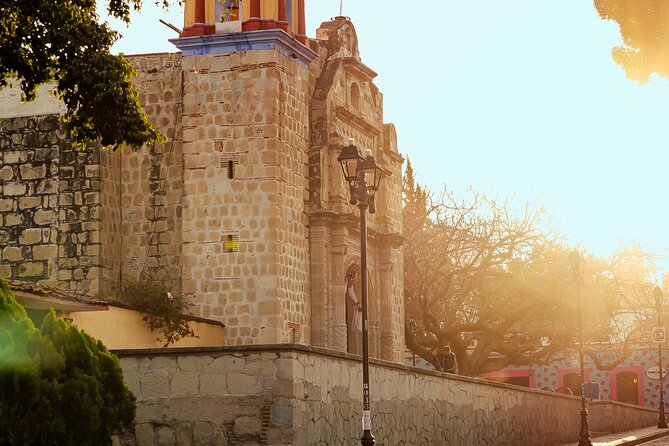
Stop 6: Basilica de Nuestra Señora de la Soledad (20 minutes)
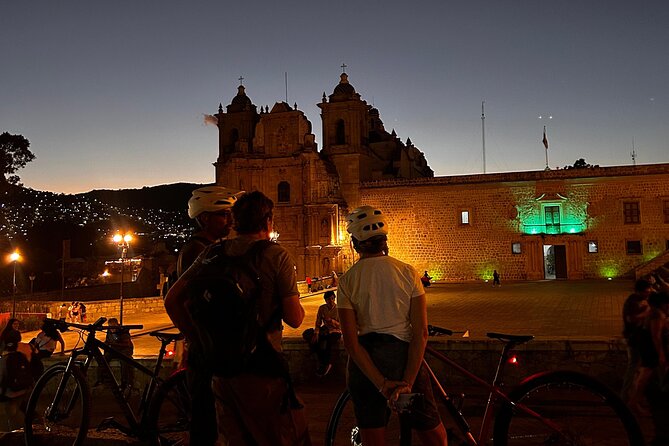
You finish at the Basilica de Nuestra Señora de la Soledad, with time for architecture and the history of the basilica, plus a view of the center. The longer stop here makes sense: you want a final moment where the guide’s storytelling lands and you can take in the city layout.
This stop is also listed as free. It’s a satisfying wrap because you end with both structure (the building) and context (what you can see from the center view).
What you learn from the exact mix of stops (and what you won’t)
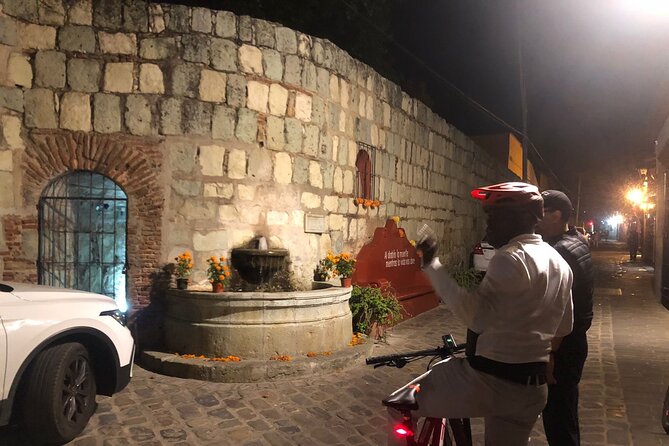
The route doesn’t just hit famous sights. It covers three kinds of places that most walking tours either skip or treat as “quick looks.”
- Cemeteries like Panteón General teach you how Oaxaca understands memory and tradition in public space.
- Neighborhood art in Jalatlaco shows how culture can be written into walls, not only stored in museums.
- Parks plus nieves at El Llano give you a everyday-cultural thread, not just monuments.
That combination is valuable because it makes Oaxaca feel lived-in rather than only historic. You come away with a better sense of why certain places feel like they belong to the city’s daily rhythm.
The tradeoff: with only about 15–20 minutes per stop, you won’t get deep museum-style detail. If you want long, quiet time inside churches or a slow crawl through one neighborhood, this works best as an overview. Use it early in your trip, then return where the storytelling makes you curious.
Guides, pacing, and the small-group advantage you can feel
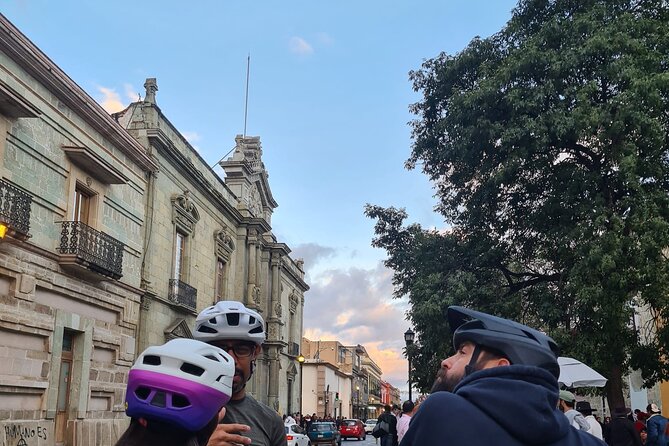
One of the most praised parts of this experience is the guiding. Different guides are mentioned by name, including Marion, Maryori, Humberto, and Eric. Across those names, the common thread is safe, friendly navigation and history framed in a way that feels understandable rather than just recited.
Because the group is capped at 8 travelers, the pacing tends to stay human. You’re not squeezed into a tight pack where questions get swallowed. And because the ride is structured around timed stops, you’re also not stuck chasing the group or waiting forever.
The other shared theme is humor and confidence. If you’re the type who likes a guide who can keep things light while still answering your questions, you’ll likely enjoy the tone.
Price and value: is $38.81 a fair deal?
At $38.81 per person for about 2.5 hours, the value depends on what you usually pay for guided tours in Oaxaca and how you like to spend your time.
Here’s why it can feel like good value:
- You get multiple major sights in one run, not just one neighborhood loop.
- Most stops are free: San Matías Jalatlaco (temple), El Llano park area, Los Arquitos de Xochimilco, Santo Domingo church, and the Basilica de la Soledad.
- Only Panteón General requires an admission ticket that’s not included.
- You’re getting an English-speaking guide plus a setup that includes bike/helmet help.
The cost can feel less worthwhile only if you prefer slow independent exploration. If you want to linger at churches, read every plaque, or spend long hours photographing, you might find this tour too time-tight. But if you want a fast, guided map of key places, it’s priced like an efficient way to get context.
Also, the tour is commonly booked about 12 days in advance on average. If you’re traveling during peak periods, it’s worth reserving earlier so you don’t get stuck with the wrong time slot.
Practical tips so the bumpy parts don’t distract you
This ride is fun, but you’ll enjoy it more with a few realistic prep steps.
First, wear comfortable shoes. The route is described as riding on older stones, and you’ll sometimes need to watch the ground while moving. That’s not a reason to skip. It’s just part of the city.
Second, if you’re short or worried about fit, note the height rule: not suitable for persons under 1.50 meters tall. Bike tours depend on safe reach and control, so this one is strict.
Third, treat it like an orientation day. Think of it as a guided way to learn how Oaxaca City is organized. After the ride, you’ll be able to pick which neighborhoods and landmarks you want to revisit without guessing.
Finally, ask questions when you stop. The guide’s job is easier at the fixed points, and that’s where you’ll get the most useful context.
Should you book this Oaxaca City bike ride?
Book it if you want:
- an English-guided overview of Oaxaca City’s main traditions and landmarks,
- a way to understand neighborhood identity through places like Jalatlaco,
- a short, efficient tour that ends with views from the basilica area.
Skip it or reconsider if:
- uneven cobblestones are a dealbreaker for you,
- you need a long, slow pace at each site rather than quick stops,
- you fall under the 1.50 meter height limit.
If your goal is to leave Oaxaca with a clearer sense of how the city fits together—cemetery memory, mural neighborhoods, everyday nieves, and landmark churches—this is a smart, well-priced way to start.
FAQ
How long is the Oaxaca City bike ride?
It runs for approximately 2 hours 30 minutes.
Is the tour offered in English?
Yes. The experience is offered in English.
Where does the tour meet and where does it end?
You start at Bike Flow Oaxaca at Mártires de Tacubaya 101, Ruta Independencia, Centro. The activity ends back at the meeting point.
How long are the stops?
Stops are about 15 to 20 minutes each, depending on the location.
Are admissions included for all stops?
No. Panteón General requires an admission ticket that is not included, while the other listed stops are marked as free.
What if the weather is bad or plans change?
The tour requires good weather; if canceled due to poor weather, you’ll be offered another date or a full refund. You can cancel for a full refund up to 24 hours in advance of the experience start time.