REVIEW · OAXACA CITY
Oaxaca City Walking Tour – Markets, Textile museum & Lunch
Book on Viator →Operated by Mexico Kan Tours · Bookable on Viator
Markets, mezcal, and textiles in one long walk. This Oaxaca City tour strings together the markets, the garden, and the textile museum in a way that helps you understand how daily life works in the city. I like how it’s built for momentum, starting near the Zócalo, then shifting from food and crafts into calmer plant-filled streets.
I especially like the market plan. You’ll hit the Benito Juárez food market and the Mercado 20 de Noviembre craft market before the crowd thickens, then you get tastings plus a guided look at chocolate making and a mezcal stop that explains what you’re seeing. Guides such as Bruno or Jorge also share practical pointers for where things are and how to avoid getting turned around.
One possible drawback: it’s still a 7-hour walking day, and the market time can feel intense if you prefer slow, quiet sightseeing.
In This Review
- Key highlights to know before you go
- A smart way to see Oaxaca City on foot
- Starting point at Café Bien and a Zócalo orientation
- Early market strategy: Benito Juárez and 20 de Noviembre
- Chocolate, mezcal, and the pasillo de humo corridor
- Why the Ethnobotanical Garden is the perfect reset
- La Cosecha Market: the clean, easy lunch pause
- Santo Domingo Church and the textile museum you’ll remember
- How the guide helps you shop without getting lost
- Price and value: what you get for $59
- What to bring and how to pace your day
- Who this tour suits best (and who might want a different style)
- Should you book this Oaxaca City walking tour?
- FAQ
- What’s the tour price?
- How long is the Oaxaca City walking tour?
- What language is the tour offered in?
- How big is the group?
- Where do I meet and where does it end?
- Is a mobile ticket included?
- Are admissions included for the stops?
- What does the tour include besides sightseeing?
- What’s the weather rule for this tour?
Key highlights to know before you go
- Early market timing so you can shop and snack before the lines and crush
- Food and drink sampling that makes the markets make sense fast
- Chocolate and mezcal stops, plus the smoky corridor known as the pasillo de humo
- Ethnobotanical Garden of Oaxaca for cacti and agave photos in a calmer setting
- A light regional lunch break at La Cosecha Market so you recover before the museum
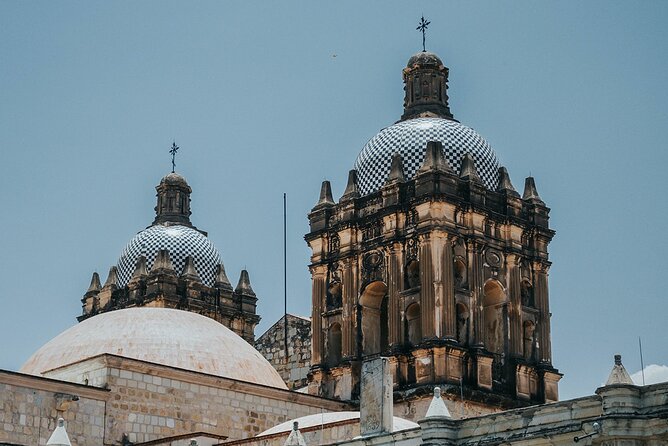
- Santo Domingo Church and the textile museum in a restored colonial mansion
A smart way to see Oaxaca City on foot
Oaxaca City is the kind of place where getting oriented matters. Streets are lively, markets sprawl, and it’s easy to spend hours wandering without understanding what you’re looking at. This walking tour is designed to fix that problem by mixing the everyday (food, crafts, drinks) with two calmer stops that give you context.
It’s also a value-friendly setup. The day runs about 7 hours, the group is capped at 10 people, and the visits listed on the stops are marked as free admissions. On top of that, the experience includes guided tastings and a proper lunch break—so you’re not just sightseeing while everyone else eats.
You can also read our reviews of more walking tours in Oaxaca City



Starting point at Café Bien and a Zócalo orientation
You meet at Café Bien, on Av. José María Morelos 402, in the Centro area. This matters because the Zócalo area is the city’s easiest launching pad: you can see colonial landmarks, you can understand the grid, and you can later retrace your steps without panic.
From there, the tour walks through the modern foundations of Oaxaca City and takes in the cathedral area, tying what you see today to the colonial past. It’s not a long lecture. It’s the kind of intro that helps you notice details while you move—so the rest of the day doesn’t feel like a checklist.
Also, since the tour is near public transportation, it’s easier to layer it into your overall itinerary. You don’t have to plan your whole day around one complicated pickup.
Early market strategy: Benito Juárez and 20 de Noviembre
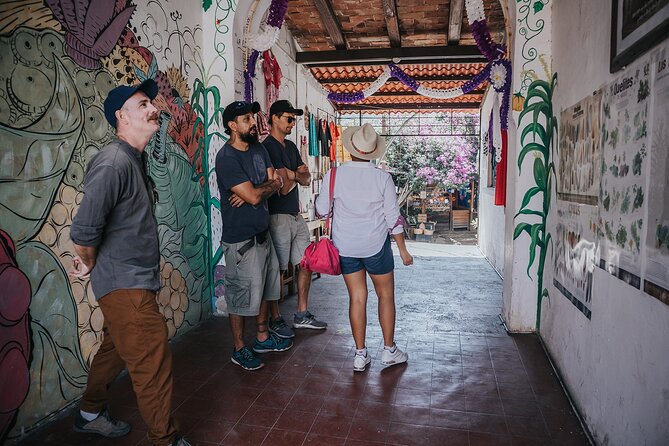
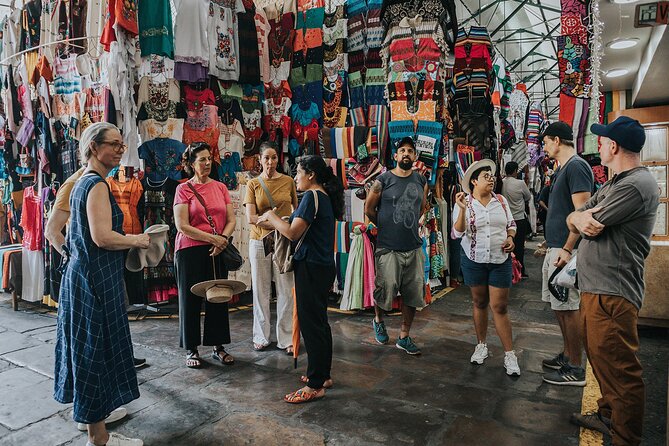
The biggest payoff of this tour is how it handles the markets. The plan is to visit Benito Juárez, the food market, and Mercado 20 de Noviembre, the craft market, before things get too busy. That timing is a huge practical win. You’ll still see the energy, but you’ll have room to ask questions, spot what you actually want, and taste a few things without rushing.
At the Benito Juárez-style food stalls, you get a sense of what locals eat and how the market functions as a daily hub. At the 20 de Noviembre craft side, the emphasis shifts to hands-on goods: textiles, leather items, shoemakers, ceramics, and all the smaller surprises that make Oaxaca shopping fun instead of stressful.
And yes, it can get visually overwhelming—there’s a lot to notice. That’s exactly why the guide pays attention to layout and where key things sit. When you understand the market flow, you shop faster later on your own.
Chocolate, mezcal, and the pasillo de humo corridor
Markets in Oaxaca aren’t just about buying souvenirs. They’re about learning the city’s flavors and specialties—so you get more than a quick walk-by.
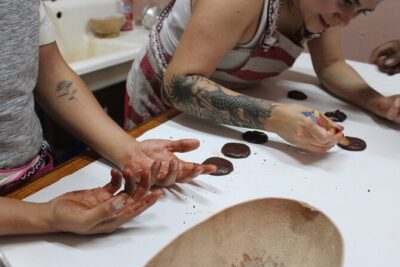
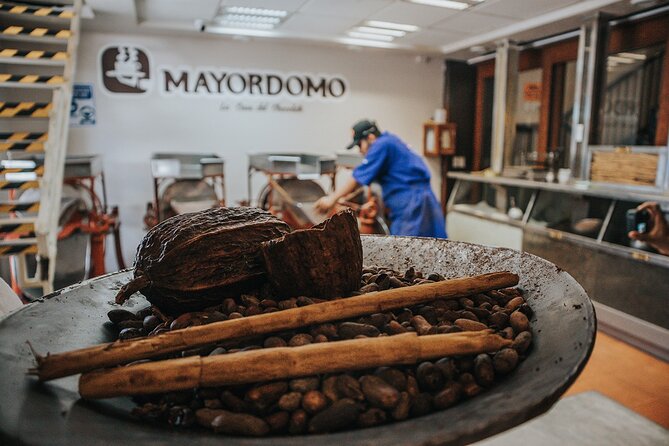
You’ll sample typical food and drinks and get a look at how chocolate is made. That’s one of those stops that changes how you interpret what you see in stores after. Chocolate in Oaxaca isn’t just a candy section. It’s part of a broader food culture and local ingredient story.
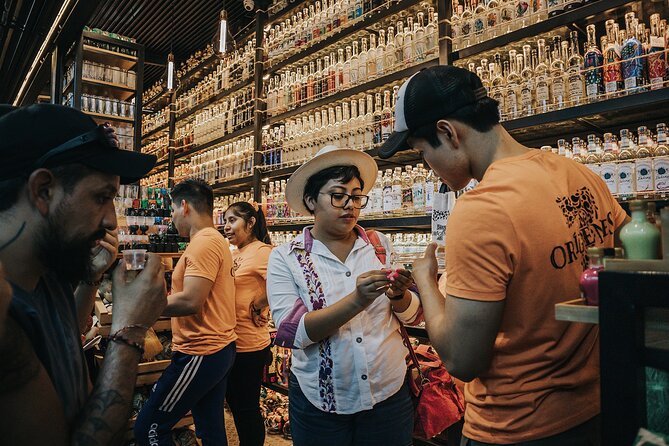
Then comes mezcal. You’ll check out a mezcal superstore and learn what you’re looking at. The goal isn’t to turn you into a mezcal expert by afternoon; it’s to help you understand the basics so your next purchase feels informed.
Finally, you’ll see the famous pasillo de humo, the corridor of smoke. It’s one of those Oaxaca details that feels like a scene from local tradition rather than a staged photo spot. You’ll understand what it is and why it exists, and that makes the stop more meaningful than it would be if you just passed it on the street.
Why the Ethnobotanical Garden is the perfect reset
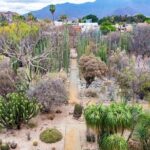
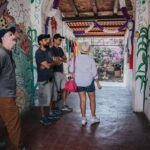
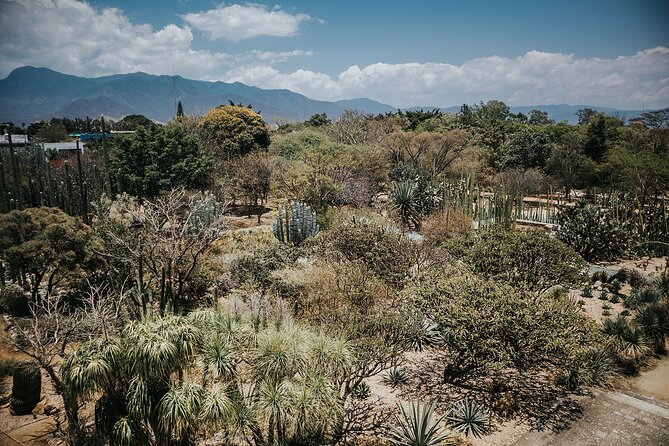
After the sensory overload of markets, you get a breather at the Ethnobotanical Garden of Oaxaca. This stop works because it’s a change in pace. The atmosphere turns quieter and more deliberate, like you stepped from a kitchen into a science walk—without losing the Oaxaca connection.
Even though it’s relatively small, the garden holds a huge variety of plants. Expect lots of cacti and agave, including species endemic to the region. It’s the kind of place where photos come out better because you can slow down and focus on texture and form.
One thing to plan for: the time in the garden can feel longer once you’re walking slowly, taking pictures, and asking questions. I’d mentally budget extra time so you’re not watching the clock while everything looks worth stopping for.
You can also read our reviews of more city tours in Oaxaca City




La Cosecha Market: the clean, easy lunch pause
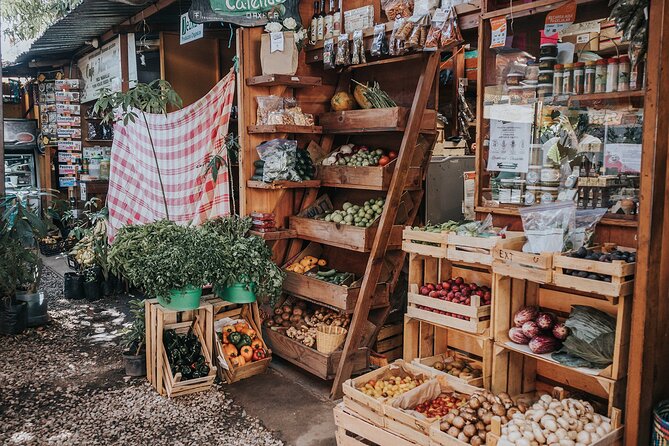
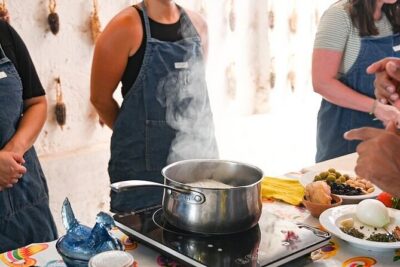
Next you head to La Cosecha Market for refreshments and a light lunch. This market is described as small, open air, and very clean, which is exactly what you want after hours of standing and snacking in busier places.
What makes it useful is the way it’s organized. Instead of one single style of food, it showcases dishes from different regions of Oaxaca state. You can choose from vendors surrounding a common eating area, so you get variety without feeling like you need to solve a puzzle just to order.
This lunch break also serves a real purpose: it resets you before the final cultural stops. By the time you leave, you’re recharged enough to enjoy the cathedral area and textile museum rather than just “power through.”
Santo Domingo Church and the textile museum you’ll remember
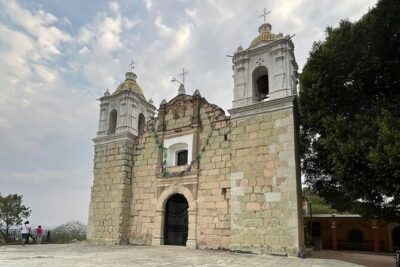
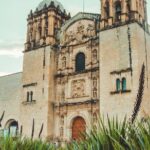
The afternoon ends near Santo Domingo Church and then moves into the Textile Museum housed in a beautifully restored colonial mansion. This is the other big reason the tour works: it shifts from the market world of objects you can buy today to the cultural meaning behind the objects you see everywhere in Oaxaca.
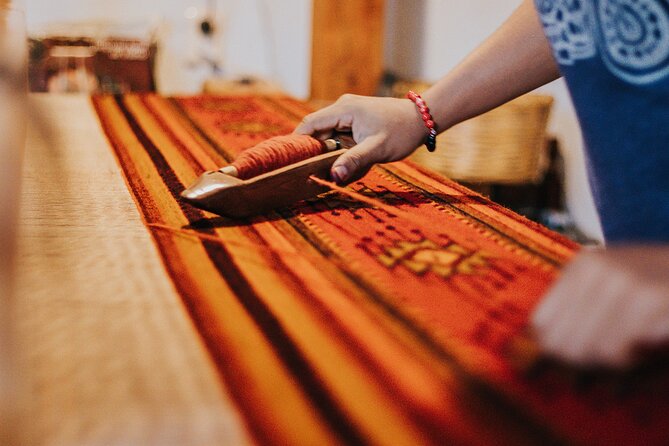
Oaxaca is especially known for its textiles, and this museum gives you a more structured way to look at fabric traditions across the state. You’re not just seeing finished products. You’re seeing a collection that helps you connect patterns, techniques, and regional variety to real local identity.
If you care about crafts, this stop is where things click. Even if you’re not a textile person, it’s still a great museum because the setting is beautiful and the subject matter is specific to Oaxaca rather than generic tourist art.
How the guide helps you shop without getting lost
A walking tour is only as good as the “why” behind the route. Here, the guides put a lot of effort into making you feel oriented—especially in the markets. When you understand how the market layout works, you stop guessing and start browsing with purpose.
It also helps that the guides share recommendations beyond the city center. That means you leave with ideas for places to check out later, not just places you already visited. If you like spending your free time exploring with a list, this kind of guidance is gold.
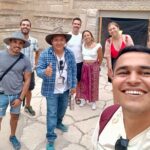
Names you might meet on the tour include Bruno and Jorge, and the common thread is clear: they explain what you’re seeing while you’re actually seeing it, so the day stays practical and not just descriptive.
Price and value: what you get for $59
At $59 per person for about 7 hours, this tour feels like a straightforward value—mostly because the schedule isn’t wasted. You’re not just walking; you’re hitting the main city core, plus two big anchors (the garden and textile museum) that balance market chaos.
The stops listed for admissions are marked as free, so you’re not stacking separate entry fees on top of the price. And the day includes food moments: tastings at the markets and a lunch break at La Cosecha Market.
One more value point: group size stays small, with a maximum of 10 people. That translates to more chance to ask questions, get help with where to go, and make better use of time in crowded market areas.
What to bring and how to pace your day
This is a walking tour with plenty of stops, so you’ll enjoy it most if you come prepared. Wear comfortable shoes and plan to stand some of the time, especially around market areas and church/museum entrances.
Bring a light layer too. Oaxaca mornings can feel pleasant, and interiors can cool down. And come ready to eat. The market portion includes food and drink sampling, and the lunch break is a helpful recovery point rather than an afterthought.
If you’re the type who likes to shop, this tour sets you up well for a smart second pass later. You’ll get orientation and context first, then you can return on your own with more confidence.
Who this tour suits best (and who might want a different style)
I think this tour is a strong match if you want to learn quickly while still seeing the highlights on foot. It works well for first-timers to Oaxaca City who feel overwhelmed by markets and want a guided path that also leaves room to browse.
It’s also a great option if you care about crafts and want more than a casual look at textiles. The textile museum stop is structured around Oaxaca’s real strengths, and it doesn’t feel like a random add-on.
If you prefer very quiet sightseeing, minimal walking, or you don’t enjoy food sampling, you might find the market-heavy first half a bit much. In that case, you could choose a more museum-focused day instead.
Should you book this Oaxaca City walking tour?
If you want a guided day that mixes Oaxaca markets, tastings, and a meaningful textile-focused museum, this tour is an easy yes. The route is practical, the group stays small, and the balance of busy market energy with garden calm makes the day feel manageable.
Book it if you’re excited by food, crafts, and getting your bearings fast. I’d especially recommend it if you’re short on time and you want a route that helps you understand what you’re seeing—so your later exploration feels more like discovery and less like wandering.
If the idea of a 7-hour walking day feels tiring, plan accordingly and pace yourself during the lunch stop so you can enjoy the afternoon without rushing.
FAQ
What’s the tour price?
The price is $59.00 per person.
How long is the Oaxaca City walking tour?
The tour duration is about 7 hours.
What language is the tour offered in?
The tour is offered in English.
How big is the group?
The tour has a maximum of 10 travelers.
Where do I meet and where does it end?
You start at Café Bien, Av. José María Morelos 402, Ruta Independencia, Centro, Oaxaca de Juárez, and you end at La Cosecha Organic Market, C. Macedonio Alcalá 806, Ruta Independencia, Centro.
Is a mobile ticket included?
Yes. You’ll receive a mobile ticket.
Are admissions included for the stops?
The stops listed include admission tickets marked as free.
What does the tour include besides sightseeing?
You’ll explore markets, sample typical food and drinks, see chocolate preparation, visit a mezcal superstore, view the pasillo de humo corridor of smoke, walk the Ethnobotanical Garden, have refreshments and a light lunch at La Cosecha Market, and visit Santo Domingo Church and the textile museum.
What’s the weather rule for this tour?
The experience requires good weather. If it’s canceled due to poor weather, you’ll be offered a different date or a full refund.