REVIEW · OAXACA DE JUAREZ
Oaxaca: Mezcal Adventure
Book on GetYourGuide →Operated by Mexplorer Adventures · Bookable on GetYourGuide
Mezcal lessons start before you even taste. This 7-hour trip moves you from Oaxaca’s Valley of Tlacolula to Santiago Matatlán, where you learn how agave becomes artisanal mezcal with local guides and maestros mezcaleros behind the scenes. Two things I really like: you see the process in real production settings, not just a showroom, and you get hands-on tasting guidance tied to what you’re watching.
The day is structured and busy. Expect multiple stops focused on production, tasting, and learning the region’s culture and geography, including a lunch stop at a distillery restaurant. One thing to consider: it’s a packed schedule with plenty of sips, so pace yourself and plan on a full, active day in the heat.
In This Review
- Key highlights that make this worth your time
- Tlacolula Valley to Santiago Matatlán: the ride that sets the right mood
- Agave plantation walk: learning the plant’s life cycle and real uses
- Two distillery stops: comparing tradition with artisanal sophistication
- Tastings on-site: learning how to taste like you mean it
- Lunch at a distillery restaurant: a smart break with real Oaxacan food
- Price and value: is $113 for 7 hours a good deal?
- Logistics that actually matter: time, heat, and getting around safely
- Who this mezcal adventure is best for (and who should skip it)
- Should you book this mezcal adventure with Mexplorer Adventures?
- FAQ
- What’s included in the Oaxaca mezcal adventure?
- How long is the experience?
- Where does pickup happen?
- What areas does the tour cover?
- How many distilleries are visited?
- Are meals included?
- What languages are the guides available in?
- Is it suitable for children or families?
- Can I cancel for a refund?
- Is it wheelchair accessible?
Key highlights that make this worth your time
- Agave fields with local guidance so you understand what you’re tasting, not just how it’s served
- Two distinct distillery visits to compare production styles while staying artisanal
- Maestro-led batches where each maker’s personal touch shows up in the final mezcal
- On-site tasting practice that helps you taste like you know what you’re doing
- Lunch at a distillery restaurant, paired with a final toast moment
- Hotel pickup in downtown Oaxaca plus consistently strong transport feedback
Tlacolula Valley to Santiago Matatlán: the ride that sets the right mood
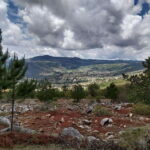
The best mezcal tours don’t start at a bar. They start with context. On this one, you’re driven through the Valley of Tlacolula to Santiago Matatlán, and the guide brings in the big picture: how mezcal connects to Oaxaca’s valleys and regions, and how the culture around it shapes what gets made.
This ride also matters because it helps you avoid that common mezcal mistake—treating every bottle like it’s the same drink with different labels. When you understand where the agave comes from and why producers do things their way, the tastings make more sense. You’ll get explanations in English, Spanish, and Italian depending on the guide, and you’ll have the chance to ask questions as you go.
You should also know the tone of the day. It isn’t a slow nature walk followed by a short tasting. It’s a full 7-hour run where your brain keeps switching gears: farming and plant biology, then production, then tasting, then food.
You can also read our reviews of more tours and experiences in Oaxaca De Juarez.
Agave plantation walk: learning the plant’s life cycle and real uses
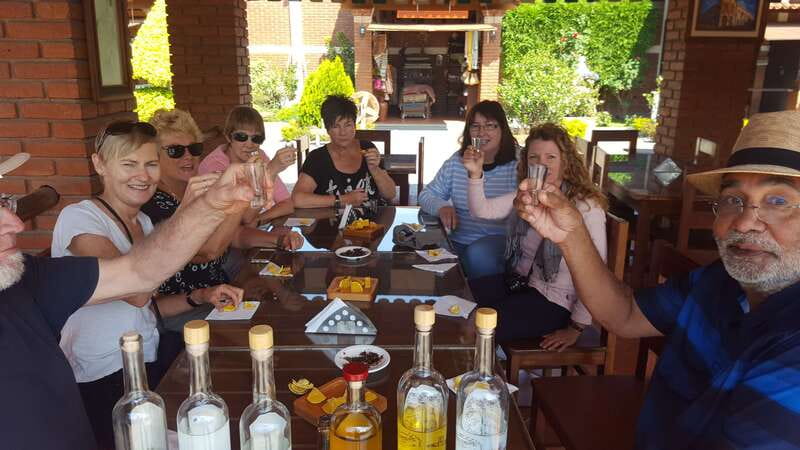
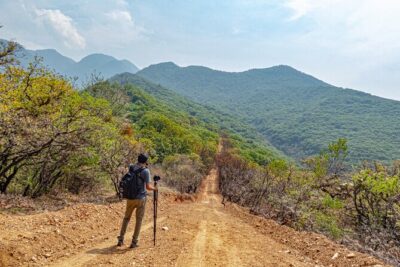
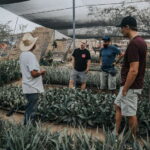
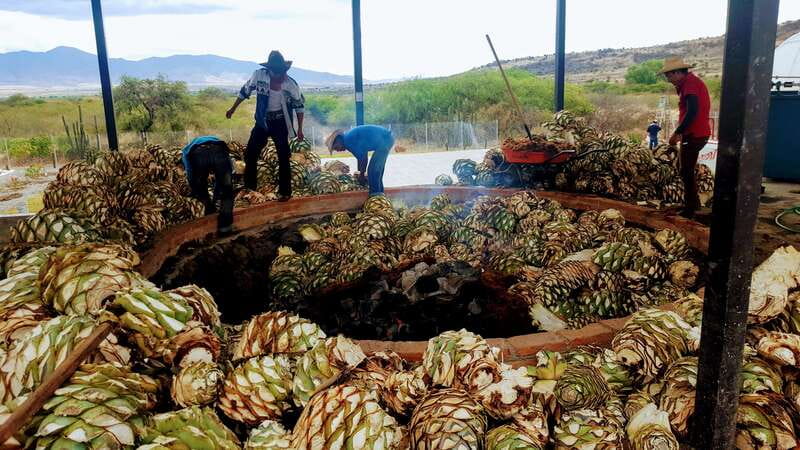
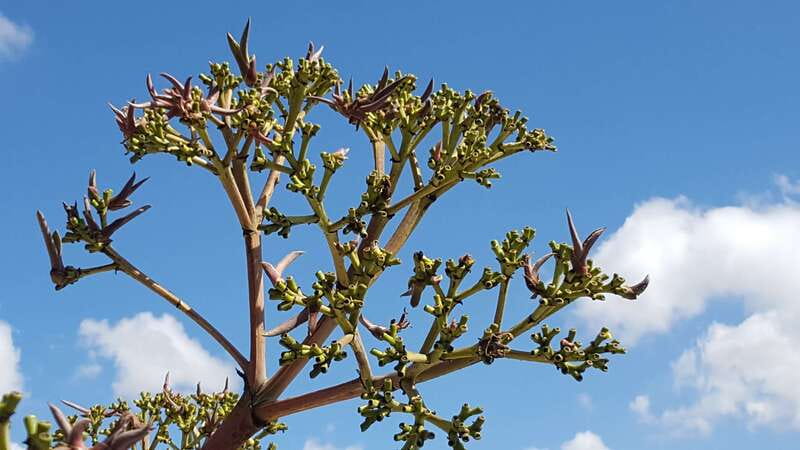
Once you reach Santiago Matatlán, the tour shifts to the foundation: the agave. You’ll visit an agave plantation where you learn the plant’s life cycle, key varieties, and the different uses people make of it.
I like this part because it gives you something solid to hold onto during tastings. Agave isn’t just background scenery. It’s the source of everything: flavor direction, production timing, and how a producer’s choices show up later in the bottle. Watching plants grow in their environment also makes the mezcal culture feel more grounded and practical.
One practical tip: bring a little extra cash just in case. One set of participants reported needing to pay 150 pesos per person for agave field viewing and certain local beverage tastings. That isn’t listed as part of the included items, so it’s smart to confirm what’s covered before you go—especially if you’re traveling with a tight budget.
Two distillery stops: comparing tradition with artisanal sophistication
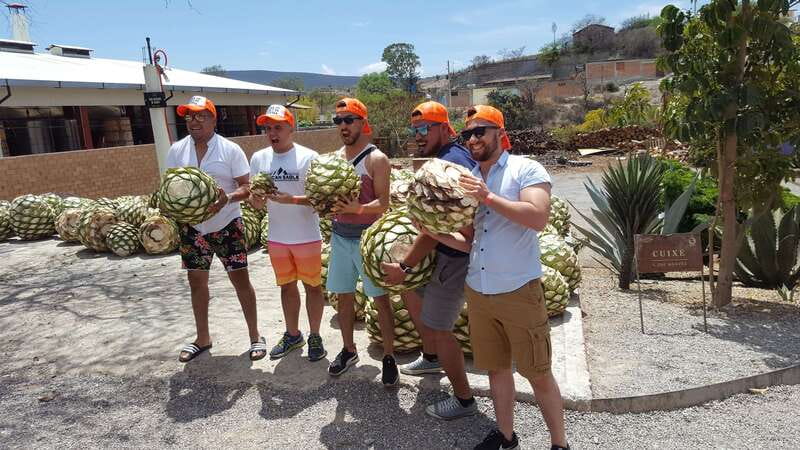
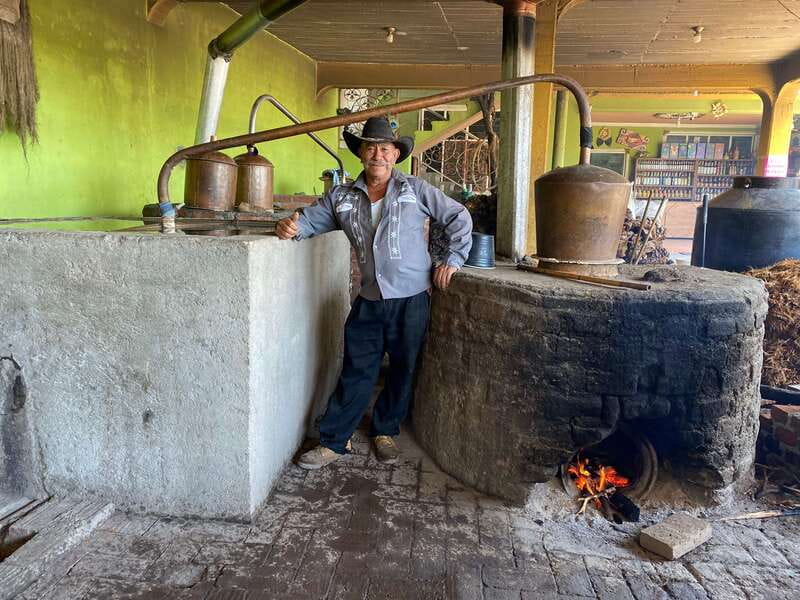
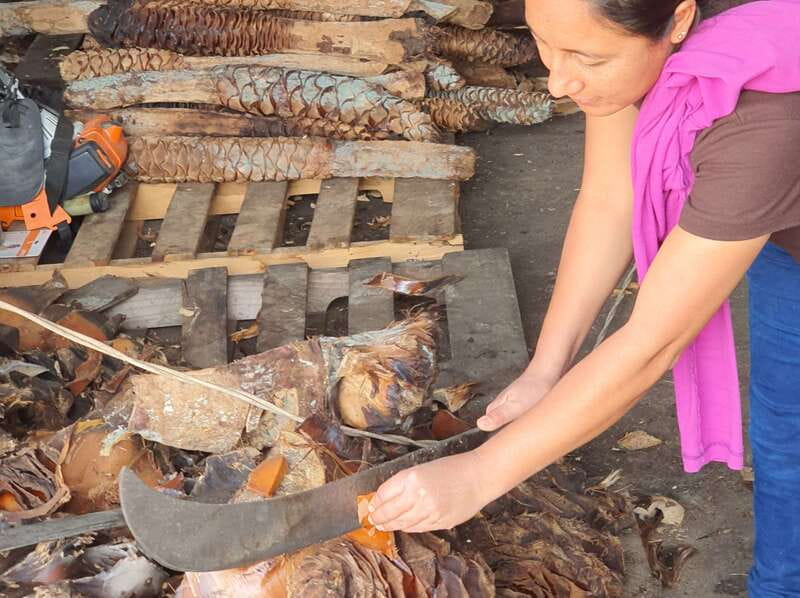
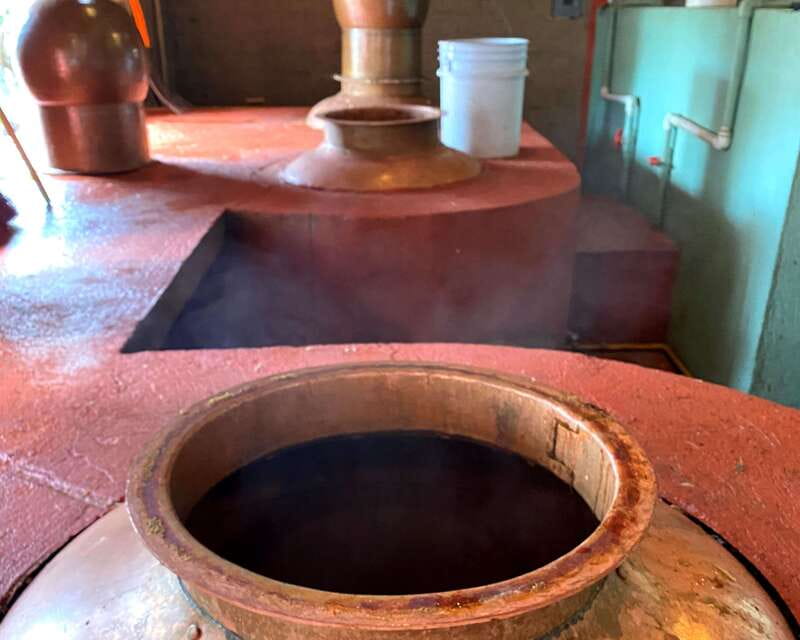
This is where the tour earns its keep. You visit two different mezcal distilleries, each showing you real production going on. And because this isn’t a single-factory tour, you get a chance to compare styles—something that’s hard to do if you only tour one place.
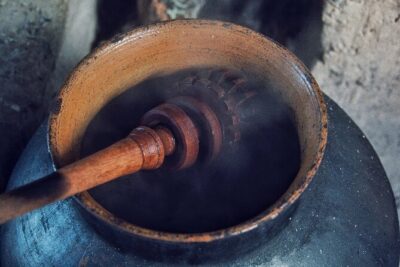
What I find especially useful is the contrast in approach. One stop is described as a home-scale, family-owned operation using a more rustic method with long-standing tradition. The other is more sophisticated but still artisanal, meaning you get technique without the cold, industrial feel you’d see elsewhere.
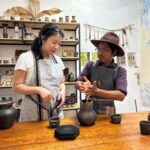
At both, you meet the maestros mezcaleros—the makers who give a personal touch to each batch. That matters because mezcal isn’t cookie-cutter. When you hear a maker explain what they’re doing and then taste what comes out of that process, you’re connecting cause and effect instead of just chasing flavors.
A small but meaningful note: you might not always have one single narrator talking the entire day. Some participants noted that the driver handled the transfers while different people at each stop explained the details. That can be fine, but if you specifically want nonstop guiding from one person, you’ll want to ask how narration will be handled.
Tastings on-site: learning how to taste like you mean it
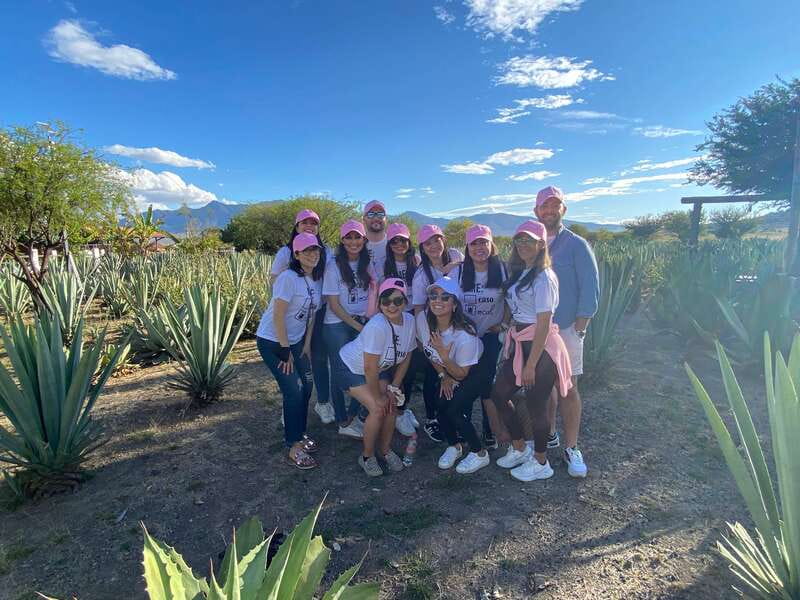
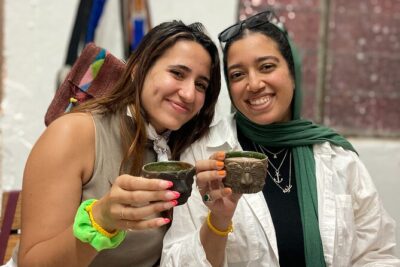
You come away from this with more than “this one tastes smoky” as a souvenir. The tour is built around learning the production and culture, and each tasting is tied to what’s happening on-site.
Here’s what I’d focus on while tasting:
- Taste in small steps instead of chugging or rushing. Give each sample a moment.
- Compare producers, not just brands. Your notes will make the differences easier to remember later.
- Ask questions on-site while the process is fresh in your mind. If you wait until you’re back in town, you’ll forget which step the explanation matched.
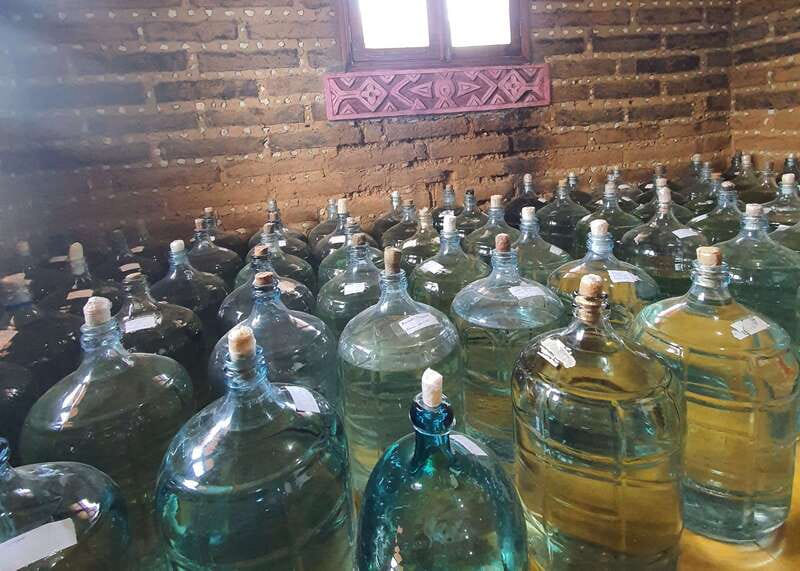
You’ll likely notice variety in the mezcals you sample, and some tours include additional local drinks in the Santiago Matatlán area—one participant mentioned tasting aqua miel and pulque at a local shop during the day. Even if you don’t get those exact options, expect some regional extras beyond the standard mezcal pours, depending on the stop.
Lunch at a distillery restaurant: a smart break with real Oaxacan food
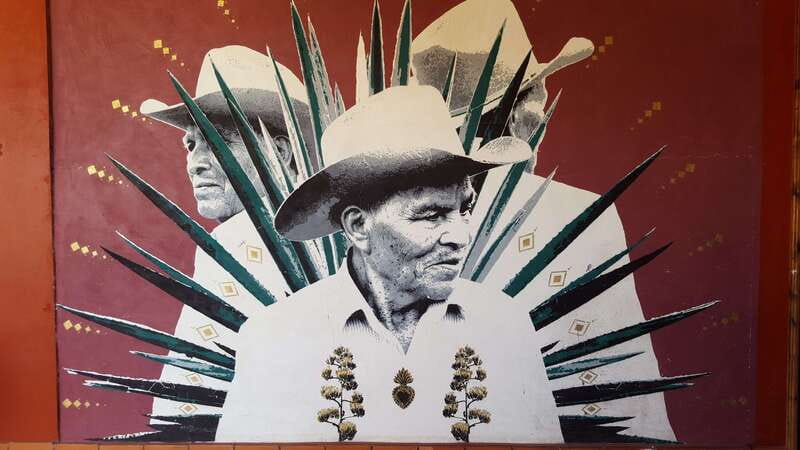
Between production and tastings, you need a reset. The experience includes a lunch stop at a “nice and neat” local restaurant connected to a distillery setup. Meals themselves are not included, but the point of this stop is that you’re not eating generic tourist food.
What’s especially memorable here is the kind of dishes that show up at the distillery table. One participant described grilled cactus and grasshoppers being served by the team at a distillery stop (associated with Don Agave). That’s the kind of meal that turns lunch into part of the cultural learning, not just a break to recharge your phone.
After lunch, you’re already warmed up with context—and that makes the final toast feel more like closure than a sales stop. You also get to taste a premium-quality mezcal at the final stop before you head back.


Price and value: is $113 for 7 hours a good deal?
At $113 per person for a 7-hour day, the value depends on what you care about.
Here’s what you do get for that price:
- Hotel pickup and drop-off in downtown Oaxaca
- Mezcal tastings across the stops
You don’t get meals included, so plan to spend extra for lunch. Still, the structure is doing something useful: you’re paying for guided context, guided tastings, and transportation that strings together multiple production locations. That adds up when you compare it to trying to DIY. One participant later felt they could recreate parts of the day for less on their own, but that only works if you’re comfortable with timing, logistics, and finding the right producers.
So I’d frame it like this:
- If you want a clean, guided introduction with real production access, $113 can be fair value.
- If you already know mezcal deeply and you enjoy planning, you might find ways to reduce costs by arranging stops yourself.
- If you’re mainly chasing a drink and don’t care about process, you’ll probably feel the price more than the learning.
Logistics that actually matter: time, heat, and getting around safely
A few practical details can make or break a day like this.
Pickup is from Downtown Oaxaca, and you’ll want to be ready in the hotel lobby about 30 minutes before your pickup time. That buffer helps you avoid stress while the van is making the rounds.
Transport feedback is strong, including notes about comfortable vehicles and solid driving. One participant specifically mentioned Balam as a safe driver and entertaining guide. Another described Gabriel as on time and a friendly driver. You’re also told the tour is not suitable for wheelchair users, and that matters because the transport and walking at distilleries/agave areas likely aren’t set up for mobility needs.
Then there’s the heat and pacing. One participant warned that three mezcal stops can feel like a lot, especially under sun exposure. I agree with the vibe: this is not a chilly museum day. Wear light clothes, bring water, and assume your energy will dip between tastings and walking.
Who this mezcal adventure is best for (and who should skip it)
This tour fits best if you’re:
- 18+ (children under 18 aren’t suitable)
- Comfortable with a full-day schedule that mixes farming, production, and tastings
- Interested in learning how Oaxaca’s geography and culture connect to mezcal
You should skip it if:
- You’re pregnant (not suitable)
- You use a wheelchair (not suitable)
If you’re brand-new to mezcal, you’re in a good spot. The day is structured so you start with agave fundamentals and build up through distillery visits into tastings where you practice recognizing what matters.
If you’re a mezcal pro already, you’ll still learn how different makers approach their batches, but you may want to ask whether you can focus on the style differences more than general introductory explanations.
Should you book this mezcal adventure with Mexplorer Adventures?
Yes, if you want a guided mezcal day that’s practical and structured: agave fields, real distilleries, tastings with context, and lunch tied to the same regional world. It’s a good value when you factor in pickup, transport, and the time saved from hunting producers yourself.
No, if you hate busy schedules or you only want a casual drink. The day is built around multiple stops and a lot of sampling, so you’ll enjoy it more if you’re ready for pace and patience.
My simplest recommendation: book it when you want to leave Oaxaca with both bottles and understanding. And if you’re picky about depth, ask how the narration will work across stops so you get the level of guidance you personally prefer.
FAQ
What’s included in the Oaxaca mezcal adventure?
Hotel pickup and drop-off plus mezcal tastings are included. Meals are not included.
How long is the experience?
It lasts 7 hours.
Where does pickup happen?
Pickup is from Downtown Oaxaca, and you should wait in your hotel lobby about 30 minutes before the scheduled pickup time.
What areas does the tour cover?
You’ll travel through the Valley of Tlacolula and then visit Santiago Matatlán for an agave plantation and mezcal production stops.
How many distilleries are visited?
You’ll visit two mezcal distilleries for production viewing and tastings, plus a lunch stop at a final distillery restaurant.
Are meals included?
No. Lunch is part of the day, but meals are not included in the price.
What languages are the guides available in?
The live tour guide offers English, Spanish, and Italian.
Is it suitable for children or families?
No. It is not suitable for children under 18.
Can I cancel for a refund?
Yes. You can cancel up to 24 hours in advance for a full refund.
Is it wheelchair accessible?
No. It is not suitable for wheelchair users.