REVIEW · OAXACA DE JUAREZ
Oaxaca: Monte Alban, Cuilapam, and Artisan Villages Tour
Book on GetYourGuide →Operated by El Andador Travel & Tours · Bookable on GetYourGuide
If your day in Oaxaca has to count, this tour is it. You’ll hit Monte Albán plus two major craft stops, with a guide driving the story from Zapotec ruins to today’s folk art. It’s a lot of ground in one go, but the variety is the point: big archaeology in the morning, then hands-on workshops later.
I love that the tour gives you clear cultural themes, not just photo stops: the crafting tradition is explained right alongside where the objects are made. I also like that you’re not doing this solo—round-trip transport from Oaxaca plus a coordinator can save you real stress. One drawback to plan around: the day’s timing and stop order can wobble, and some costs (like site entry or a lunch/buffer stop) may land outside the advertised price.
In This Review
- Key Points Worth Noting
- Monte Albán: The Big Zapotec Day Starter (and Why Time Matters)
- Cuilapam de Guerrero Convent: Architecture, Faith, and a Possible On-Day Change
- San Bartolo Coyotepec Black Pottery: Watch the Technique, Then Ask What Makes It Work
- Alebrijes in Arrazola: From Colorful Story to Wooden Sculpture
- Round-Trip Transport From Oaxaca: Shared Ride, Timing Risks, and Heat
- Price and Value: What the $21 Covers and What You May Pay Extra
- Artisan Village Add-Ons: Shopping Energy vs Learning Time
- Who Should Book This Tour (and Who Should Skip)
- Should You Book? My Practical Decision Guide
- FAQ
- How long is the tour?
- Is transportation included?
- Do I need to know Spanish?
- What are the main stops during the day?
- What should I bring?
- Are there any rules about what I can’t bring?
- Is this tour wheelchair accessible?
- Are there age limits for children?
- Can I cancel for a refund?
- Who operates the tour?
Key Points Worth Noting
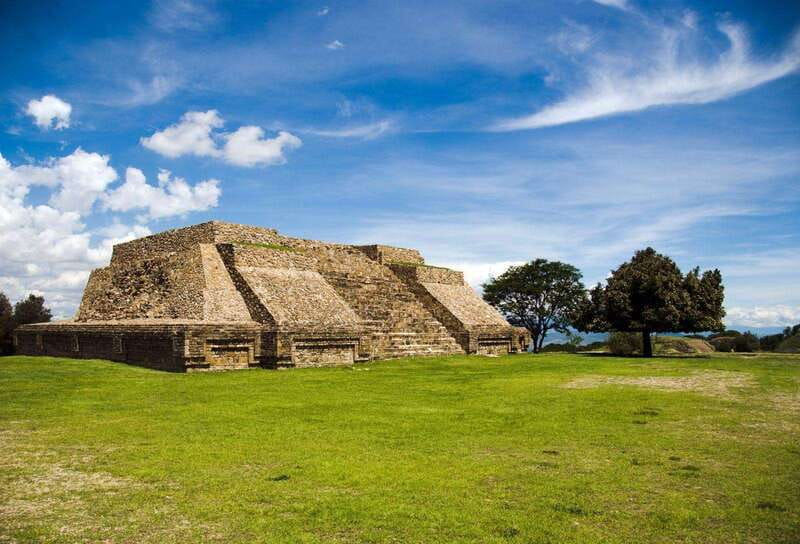
- UNESCO Monte Albán: Expect guided context first, then time to explore the ruins
- Cuilapam de Guerrero: The former convent stop is a highlight, but repairs can affect what you see
- San Bartolo Coyotepec black pottery: You’ll watch a workshop demonstration focused on traditional technique
- Alebrijes in Arrazola: You get the origin story and a look at how the wooden sculptures are made
- Shared transport: Depending on group size, it may not be the most comfortable ride for heat or noise
Monte Albán: The Big Zapotec Day Starter (and Why Time Matters)
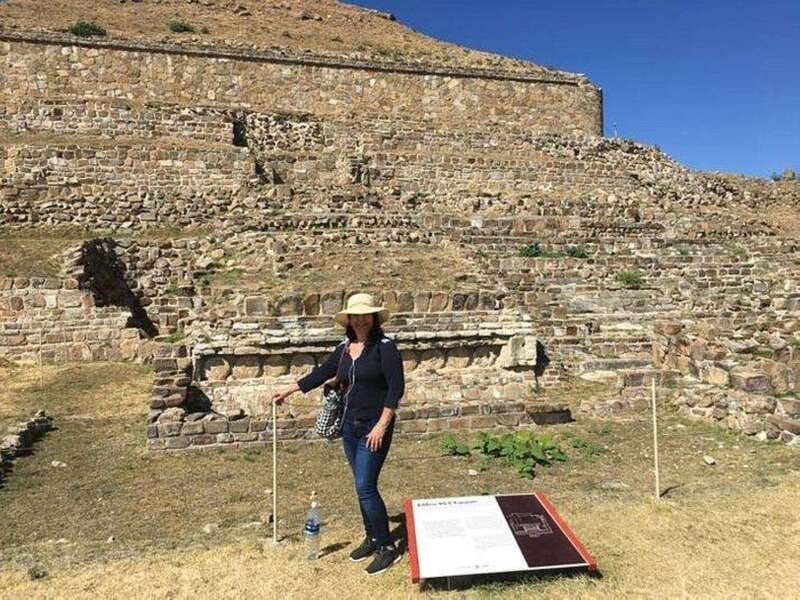
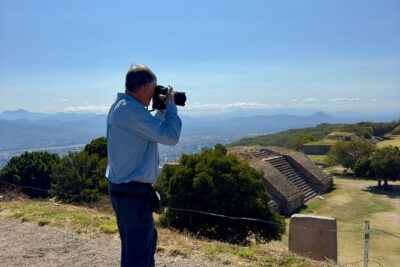
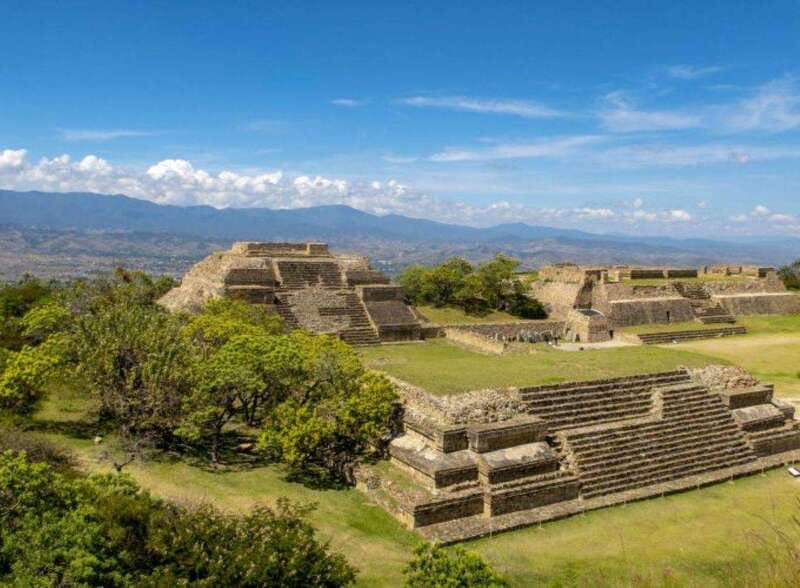
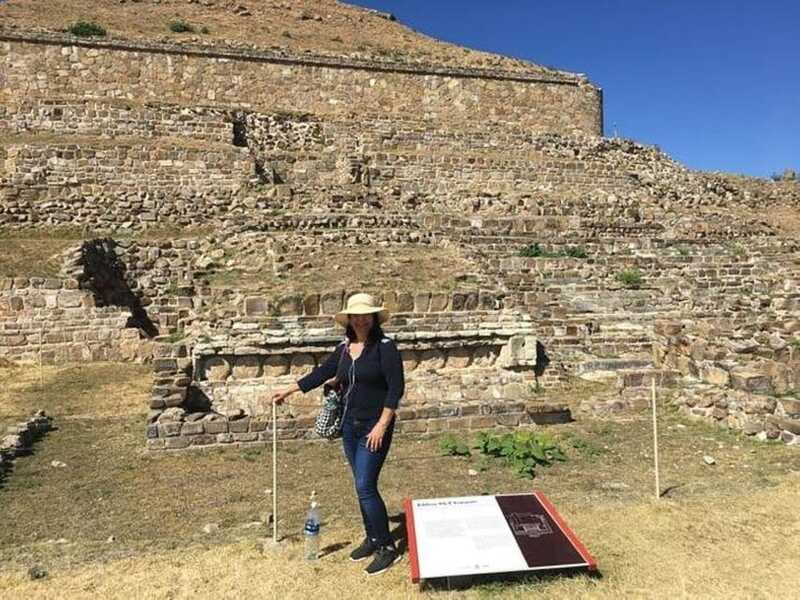
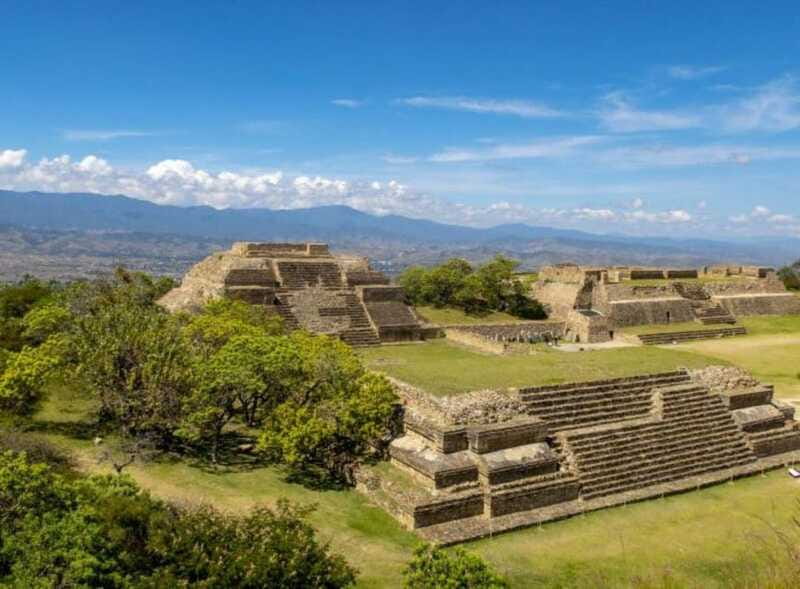
Monte Albán is the kind of place where you stop seeing a ruin and start reading a city. This tour’s strongest move is how it treats the site as a story: your guide explains the Zapotec empire and how the area’s importance evolved over time, before you’re left to wander among plazas and temples.
Practically, the day usually starts with a shared ride out of Oaxaca. Then you’ll arrive, deal with any ticketing lines, and get a set window to explore. Some departures can feel rushed if you’re unlucky with ticket waits or delays later in the day. If you want that slower, photo-friendly pace, keep your expectations flexible and wear shoes you can walk in for a long stretch.
Also, don’t underestimate the value of a good guide here. In the feedback, guides like Léo are singled out for making Monte Albán’s details feel like a plot you can follow. That matters, because without narration, Monte Albán can feel like “cool stones on a hill.” With narration, it becomes geography, politics, and everyday meaning.
One more tip: plan on sun. Bring a hat and sunscreen, and drink water early. You’ll spend time in open areas, and Oaxaca heat can turn a “quick walk” into a stamina test.
You can also read our reviews of more tours and experiences in Oaxaca De Juarez.
Cuilapam de Guerrero Convent: Architecture, Faith, and a Possible On-Day Change
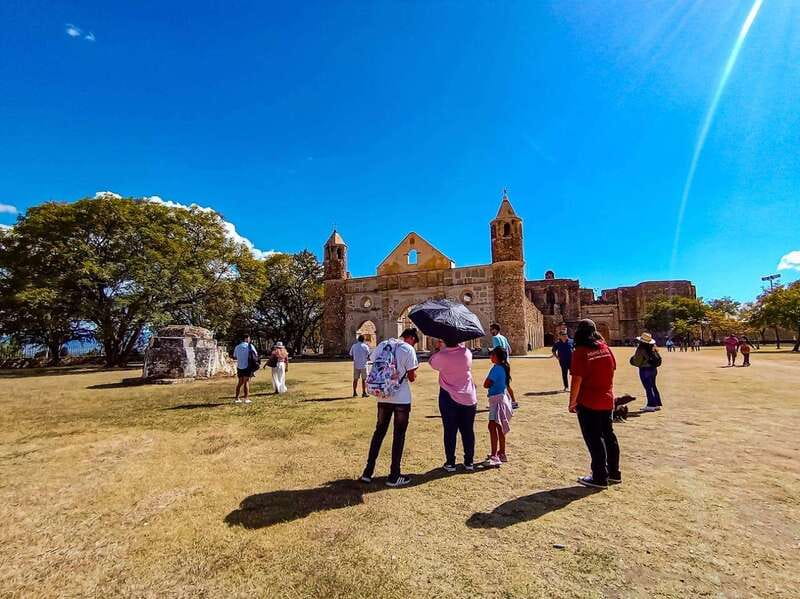
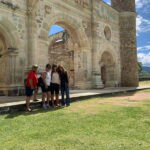
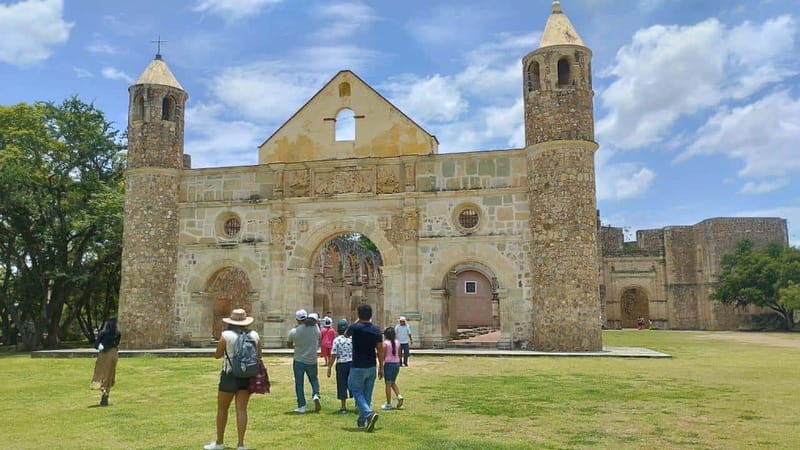
Cuilapam de Guerrero’s former convent is the bridge stop between Oaxaca’s ancient layers and its colonial-era structures. You’ll see the architecture up close and hear what it represented in its time—then you’ll be able to admire the details yourself instead of just snapping wide shots.
Here’s the honest consideration: the stop can change. One experience described not visiting the ex convent because of repairs after tremors, even though the location still looked open. That kind of situation can happen when tours are operating around real-world access and safety decisions.
So, if Cuilapam is one of your top must-sees, do this: arrive ready to ask your coordinator what the current plan is when you meet them. Keep your schedule eyes open and don’t assume the day will follow the brochure perfectly. The good news is that the stop is generally described as part of the core itinerary, so it’s still a major reason to book in the first place.
San Bartolo Coyotepec Black Pottery: Watch the Technique, Then Ask What Makes It Work
San Bartolo Coyotepec is where Oaxaca’s pottery tradition becomes real, because you can watch it happen. This stop focuses on black pottery, with a workshop demonstration that shows how the pieces are made and how the craft is carried forward.
The value here isn’t only the finished object you might buy later. It’s learning the logic of the process. Even if you don’t understand every technical step, you start to notice why traditional makers do what they do: shape first, then technique, then the final result that gives black pottery its look.
I like this stop because it’s hands-on in a way that doesn’t require you to be crafty. You stand close, you watch, and you leave with a better eye for what you’re seeing in shops back in town. If you’ve ever bought pottery and wondered why one piece looks deeper or smoother than another, this is where that curiosity gets answered.
That said, workshop stops can be quick—especially in a 9-hour schedule with multiple locations. If you want lots of time to browse, keep an eye on timing and don’t wait until the last five minutes to ask questions.
Alebrijes in Arrazola: From Colorful Story to Wooden Sculpture
Alebrijes are the kind of art that makes people smile. They’re also the kind of craft that’s easy to reduce to souvenirs if you don’t hear the story.
On this tour, the alebrijes stop explains the history behind these colorful wooden sculptures and then shows how they are made. There’s a difference between seeing an alebrije in a store and seeing the making process and hearing how the design and tradition connect to meaning. That’s what you’re paying for here: context plus demonstration.
One small note about names: the tour information points to San Martín and also to San Antonio Arrazola for the alebrijes workshop. Either way, the practical takeaway is the same. You’ll be at a dedicated workshop where people produce alebrijes and where your guide connects the craft to its roots.
As with the pottery stop, the time you get can be short depending on transport delays or how the day runs. If you’re serious about choosing a piece, come ready to look carefully and compare. Alebrijes vary a lot in style, detail, and finish, and workshops can be where you spot those differences first.
Round-Trip Transport From Oaxaca: Shared Ride, Timing Risks, and Heat
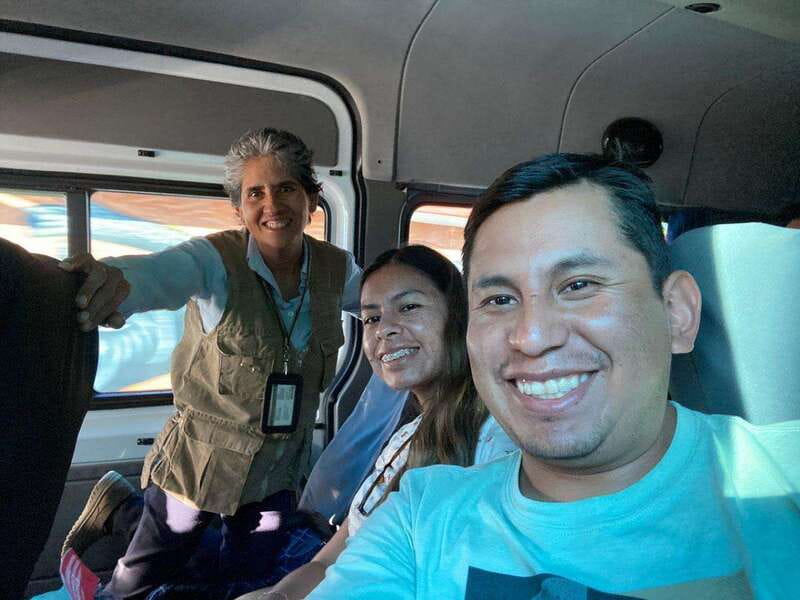
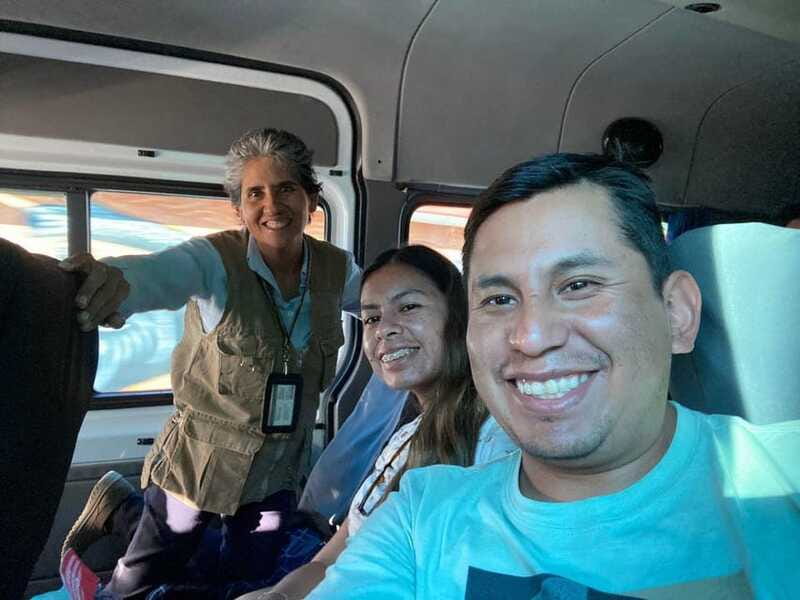
Transportation is included, but shared means you’re not in full control. The ride type can depend on the number of users, and comfort can vary. One report mentioned a bus without AC and only limited window openings. That doesn’t mean it’ll be the same for you, but it’s a real enough possibility that I’d plan for a warm ride.
Timing is the other big issue to understand. Some experiences described delayed departures and late returns. In one case, people expected an earlier start but didn’t depart until around the 9:10 mark, and the day ran late back into Oaxaca. Another described a long pick-up process before leaving the city.
If you’re planning dinner or another activity the same evening, buffer your schedule. This is a 9-hour tour on paper, but shared service plus traffic plus ticket lines can stretch the day.
Also pay attention to seat placement. If you end up in the middle seats, you might struggle to hear explanations clearly when the group is noisy or the guide is speaking while walking. If you care about narration, try to sit where you can hear without leaning or guessing.


Price and Value: What the $21 Covers and What You May Pay Extra
Let’s talk value plainly. At about $21 per person, this tour is inexpensive for the number of major stops it includes: UNESCO Monte Albán plus two recognized artisan workshop areas and a convent site.
But the “cheap” part can come with tradeoffs. One experience described extra on-the-spot costs for entry after waiting for tickets at Monte Albán, plus additional fees connected to a buffet lunch stop. Another mentioned added costs at the food stop and only one practical option for eating at the side-of-the-road restaurant.
I’m not saying this happens every time. I am saying you should assume some on-the-ground payments may come up, especially at archaeological zones and for any scheduled meal stop. Bring a little cash so you’re not stuck deciding between paying or skipping.
Then there’s the guide quality factor. Several positive notes praised guides by name, including Juan Carlos, with strong storytelling and explanations. When you get that level of narration, the low price feels like a bargain. When the logistics get messy, the same price can feel less worth it because you spend less time where you wanted.
Artisan Village Add-Ons: Shopping Energy vs Learning Time
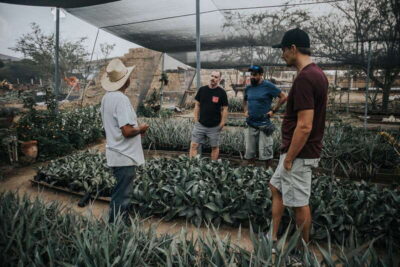
This tour is built around craft workshops, but it also includes artisan village time that can skew toward shopping. The aim is to see how crafts connect to local life, yet the reality of a multi-stop day is that some portions may feel more like browsing than deep instruction.
If you love shopping, that can be fun. If you mostly want craft knowledge, prioritize the workshop moments where people demonstrate and explain. That’s where the information-to-time ratio tends to be highest.
A good tactic: go in with a small wish list. Decide what you want (a pottery item, an alebrije, something you can carry without stress). That helps you avoid getting distracted by sales talk and instead focus on quality and workmanship.
Who Should Book This Tour (and Who Should Skip)
This tour makes sense if you want a high-coverage day in Oaxaca: one major archaeological site and two craft workshops, with Spanish narration and round-trip transport.
It may not be a great fit if you:
- need wheelchair access (the tour data says wheelchair users aren’t suitable)
- are pregnant (pregnancy is listed as not suitable)
- travel with children under 6 (the guidance is inconsistent, so confirm age rules carefully)
- want a totally stress-free schedule with no delays (some experiences reported late starts, late returns, and changing stops)
One more group note: it’s not designed for everyone’s pace. You’ll be walking, standing, and moving between towns. Comfortable shoes matter more than you think.
If you’re the type who likes to learn, ask questions, and keep a flexible plan, this tour can be a strong way to see Oaxaca’s creative side alongside Zapotec ruins.
Should You Book? My Practical Decision Guide
I’d book this tour if you want value and you’re okay with shared-ride reality. The combination of Monte Albán + workshop stops is a smart way to spend one day, especially when a good guide turns big sites and crafts into a clear story.
I’d hesitate if your schedule is tight or you hate uncertainty about timing. The day can run late, and a stop like Cuilapam can potentially be affected by repairs. If you only have one day in Oaxaca and you’d be devastated to miss a specific site, consider whether you want a more flexible alternative that lets you control your own timing.
My “yes, book it” checklist:
- You’re bringing water, sunscreen, and a hat
- You can handle a shared group pace
- You want to see the pottery and alebrijes process, not just the final products
- You’re fine with possible extra site or meal costs
FAQ
How long is the tour?
It runs for 9 hours.
Is transportation included?
Yes. You get round-trip transportation from Oaxaca, and the service is shared.
Do I need to know Spanish?
The tour guide provides live interpretation in Spanish.
What are the main stops during the day?
You visit Monte Albán, the former convent area at Cuilapam de Guerrero, a black pottery workshop in San Bartolo Coyotepec, and an alebrijes workshop in the San Antonio Arrazola area.
What should I bring?
Bring comfortable shoes, a hat, a camera, sunscreen, and water.
Are there any rules about what I can’t bring?
Yes. Pets aren’t allowed, and weapons or sharp objects aren’t allowed. Smoking is also not allowed.
Is this tour wheelchair accessible?
No. Wheelchair users are not suitable for this tour.
Are there age limits for children?
The tour notes children under 6 aren’t suitable, but it also states that ages 0 to 6 pay half and 7+ pay the general price. If you’re traveling with a child, confirm the exact age rules with the provider before booking.
Can I cancel for a refund?
The tour policy says you can cancel up to 24 hours in advance for a full refund, but it also includes a note that a ticket is non-cancelable. Check your booking details to see how this applies to your payment.
Who operates the tour?
The experience provider listed is El Andador Travel & Tours, with a tour coordinator on the day and passenger insurance included.