REVIEW · OAXACA DE JUAREZ
Oaxaca: Traditional Oaxacan Food Cooking Class
Book on GetYourGuide →Operated by Oaxaca by locals · Bookable on GetYourGuide
Food has a way of telling the truth. This Oaxaca traditional food cooking class turns a market run and a home-cooked meal into hands-on learning, right in the heart of how Oaxacans actually eat. I love that you start at Etla traditional market, choosing ingredients that shape the flavors before you ever touch a stove. One thing to think about: you will taste local ingredients and dishes, so if you have health or dietary concerns, plan carefully.
The best part is what happens while you eat. You’ll hear legends and family stories linked to the region, shared in Mixe language and translated into English, then tied to what’s on your plate. I also like the small-group feel, with instruction led by traditional cooks such as Tita (Mixe origin), and hosts who have been called out by name in past sessions like Hector, Aurora, and Keri.
The drawback is simple: it’s a food-first experience, not a quick demo. If you’re not into sampling new flavors (including chilies and insects like chapulines) or you prefer very light meals, this may feel like a lot.
In This Review
- Key highlights you’ll feel during the class
- A 5-hour Oaxaca cooking class built around real ingredients
- Etla traditional market: your first lesson in Oaxacan flavor
- Cooking with Tita and the Mixe family recipe approach
- The menu: memelitas, mole, chocolate de agua, and more
- Memelitas: corn dough meets distinctive fillings
- Mole: the sauce you taste differently after understanding it
- Chocolate de agua and mezcal: traditional drinks, not just add-ons
- Meal-time storytelling in Mixe language (with English translation)
- Small group size (max 6) makes instruction easier
- Price and value of $116 for a 5-hour food lesson
- Who this Oaxaca cooking class is best for
- Who should consider skipping or adjusting expectations
- Quick FAQ
- FAQ
- How long is the Oaxaca Traditional Oaxacan Food Cooking Class?
- What’s included in the price?
- Where do you pick up ingredients for the recipes?
- How big is the group?
- What languages are offered?
- What foods and drinks are part of the menu?
- Should you book this Oaxaca cooking class?
Key highlights you’ll feel during the class
- Etla traditional market ingredient hunt before cooking, so you understand why each item matters
- Hands-on instruction from a traditional cook of Mixe origin, tied to older recipes
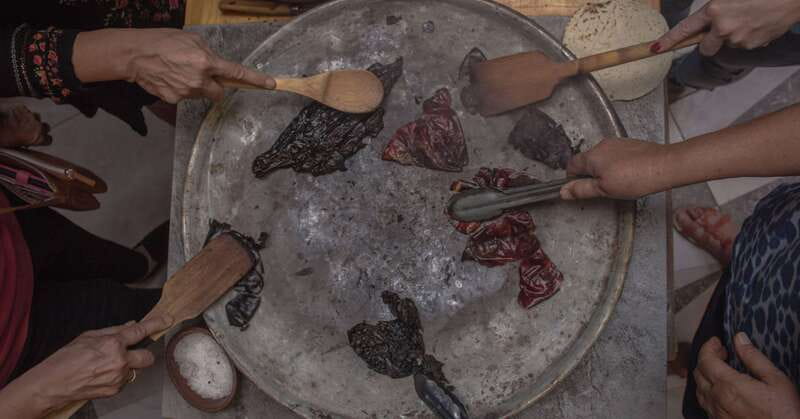
- A menu built around corn, chilies, seeds, cocoa, herbs and the Oaxacan flavor logic behind them
- Stories during the meal: legends and tales in Mixe language, translated into English
- Small group (max 6), which keeps the pace calm and questions easy
- Food plus drinks: mezcal and chocolate de agua, plus fresh flavored water
A 5-hour Oaxaca cooking class built around real ingredients
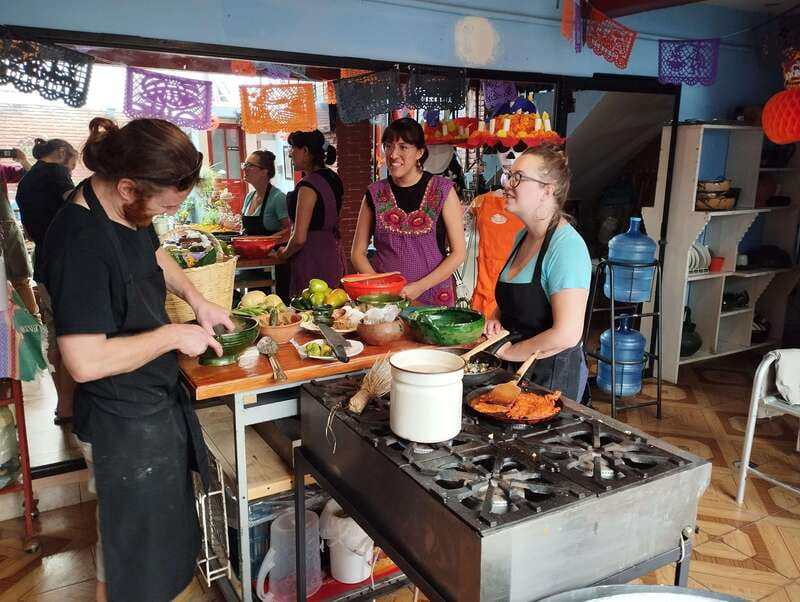
This is a 5-hour Oaxaca food experience that’s designed around one idea: if you want to understand traditional Oaxacan cuisine, you need to start with ingredients, not just recipes. You’ll walk into the process with a guide, buy what you need, then cook and eat what you selected.
The format stays practical. You’re not watching from the sidelines. You’re learning technique, tasting as you go, and leaving with a clearer sense of how corn, chilies, seeds, cocoa, and herbs work together in classic dishes.
You should also know the tone. It tends to be relaxed, with hosts who treat the meal like a shared event rather than a classroom exercise. That shift matters, because it makes it easier to ask questions about ingredients and occasions, not just measurements.
You can also read our reviews of more food & drink experiences in Oaxaca De Juarez

Etla traditional market: your first lesson in Oaxacan flavor
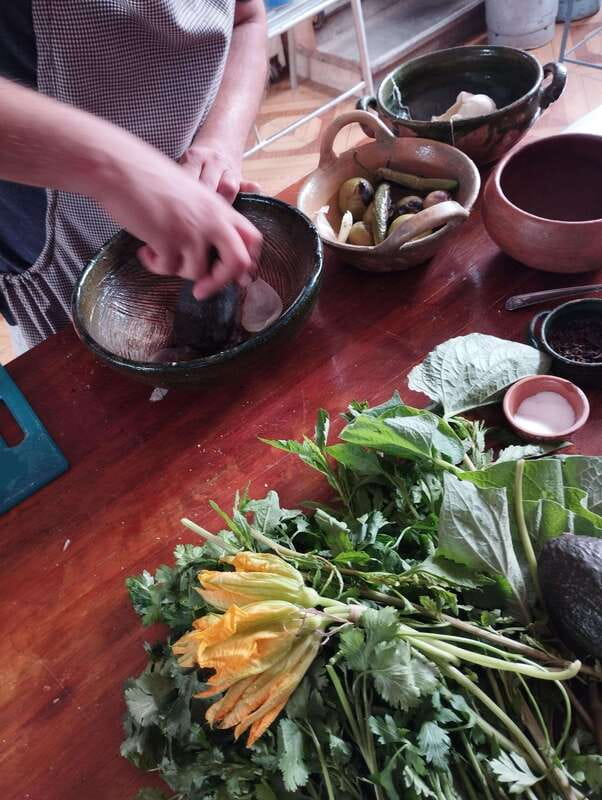
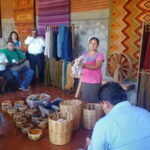
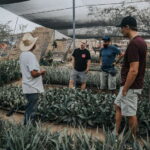
The class begins with a trip to Etla traditional market, where you gather the ingredients needed for the day’s recipes. This is more than a shopping stop. It’s how you see what makes Oaxaca’s cooking distinct: specific chilies, seeds, herbs, and corn products are chosen because they deliver a particular balance of flavor.
Here’s what I think you’ll appreciate most about the market portion: it gives you context. When later you’re making a sauce or stuffing a wrap, you’ll remember where key ingredients came from. That turns the meal from food theater into food knowledge.
Practical note: markets mean walking and time spent comparing items. If you’re the type who wants a rigid schedule and zero wandering, you might find the market pacing slightly variable depending on availability and what the cook needs that day.
Cooking with Tita and the Mixe family recipe approach
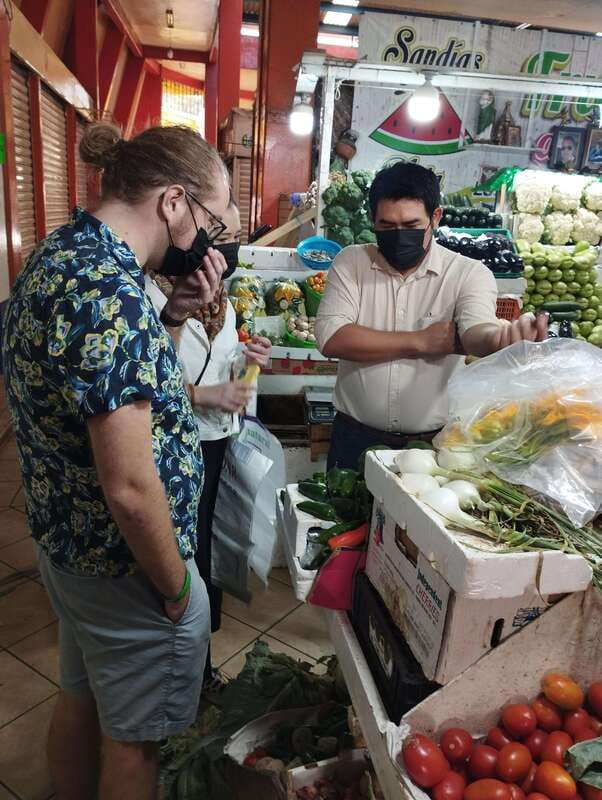
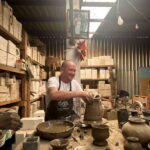
You’ll cook with a traditional cook of Mixe origin known as Tita, and you’ll learn recipes passed down through previous generations. The point isn’t just to copy the dish. It’s to understand the why behind the dish—why certain ingredients show up together, and how Oaxacan cooks think about flavor layers.
In past sessions, hosts have included people like Hector, Aurora, and Keri, and that’s a good sign: the teaching style tends to be personal. You’re often learning in a home setting, where the kitchen becomes the classroom, and the cooking becomes a story you’re part of.
You might also notice the class includes small moments of food prep along the way. For example, one group shared that they stopped on the route to collect dough used for memelas and tortillas. That detail matters because it shows how some steps are handled in real life, not just in a staged demonstration.
The menu: memelitas, mole, chocolate de agua, and more
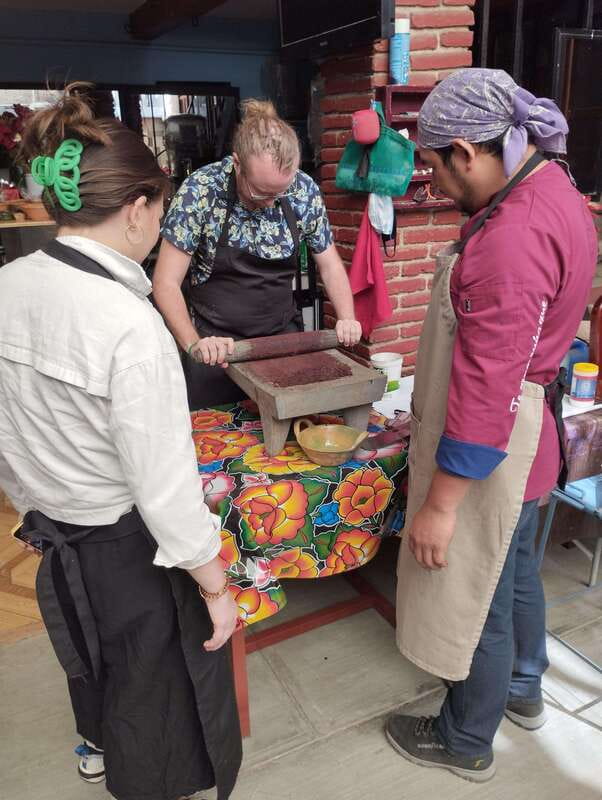
The menu is built around core Oaxacan ingredients and iconic dishes. You’ll cook and then eat the results, with the meal paired to stories told by the cook. The dishes listed for this experience include:
- Memelitas de chapulines
- Memelitas de Huitlacoche
- Egg memelitas with hierba santa
- Empanadas
- Mole
- Chocolate de agua
- Mezcal
- Yolk bread
- Fresh flavored water
Let’s translate what that means for you.
Memelitas: corn dough meets distinctive fillings
Memelitas are corn-based and hand-prep friendly, which makes them a great dish for learning. You’ll get a real sense of how the dough and texture work, then how fillings change the whole flavor direction.
You’ll likely see variety through the fillings:
- Chapulines bring a nutty, earthy intensity that’s a signature Oaxacan snack flavor.
- Huitlacoche (corn fungus) has a deep, savory character that surprised plenty of first-timers when they understand what it is.
- Egg memelitas with hierba santa bring an herbal note that helps explain how Oaxaca uses herbs for aroma, not just heat.
You can also read our reviews of more tours and experiences in Oaxaca De Juarez
Mole: the sauce you taste differently after understanding it
Mole is the star for most people, but the real learning comes from how it’s handled. The class includes mole, and some sessions offer different mole choices. One highlighted example was Mole Negro, with discussion about when it’s eaten and why that matters.
That’s the kind of detail that sticks. Mole isn’t just a flavor. It’s a culinary tradition tied to occasions, and the stories during the meal help you connect sauce to culture.
Chocolate de agua and mezcal: traditional drinks, not just add-ons
Chocolate de agua shows up on the menu, along with mezcal and fresh flavored water. This is valuable because it rounds out the meal. Oaxaca’s food culture isn’t only sauces and corn. It’s also beverages that match the seasonings and rhythms of the day.
If you’re not used to mezcal, go slowly. It’s part of the experience, but pacing is your friend, especially when you’re also tasting multiple dishes.
Meal-time storytelling in Mixe language (with English translation)
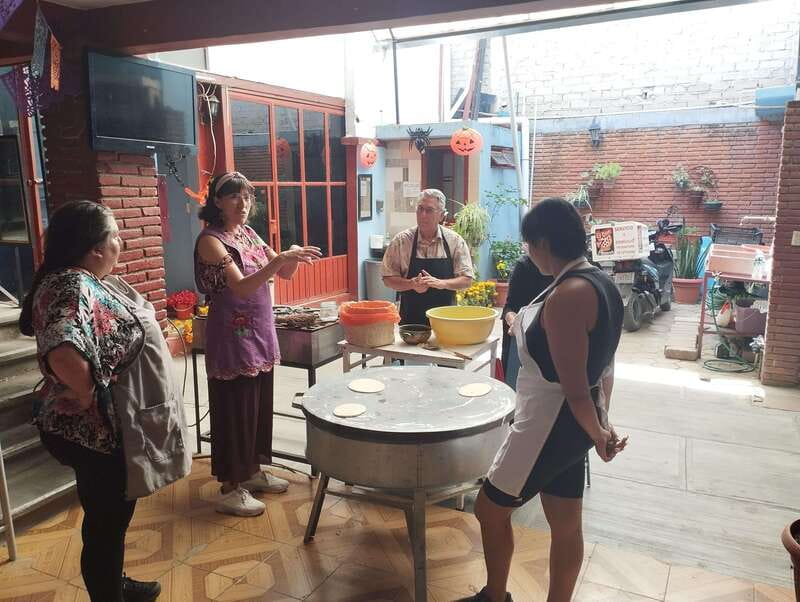
One of the most praised elements of this experience is how stories are woven into eating. During the meal, you’ll listen to legends and tales shared by Tita, told in Mixe language and translated into English.
This changes the whole class. Instead of you learning facts that float away, you’re getting meaning attached to each dish. Corn isn’t only an ingredient. It’s a carrier of history and identity. Herbs aren’t only flavor. They’re part of a living recipe tradition.
It’s also why you’ll probably remember the day as more than a cooking class. You’re learning the logic of traditional Oaxacan cuisine through narrative, then tasting that logic on the spot.
Small group size (max 6) makes instruction easier
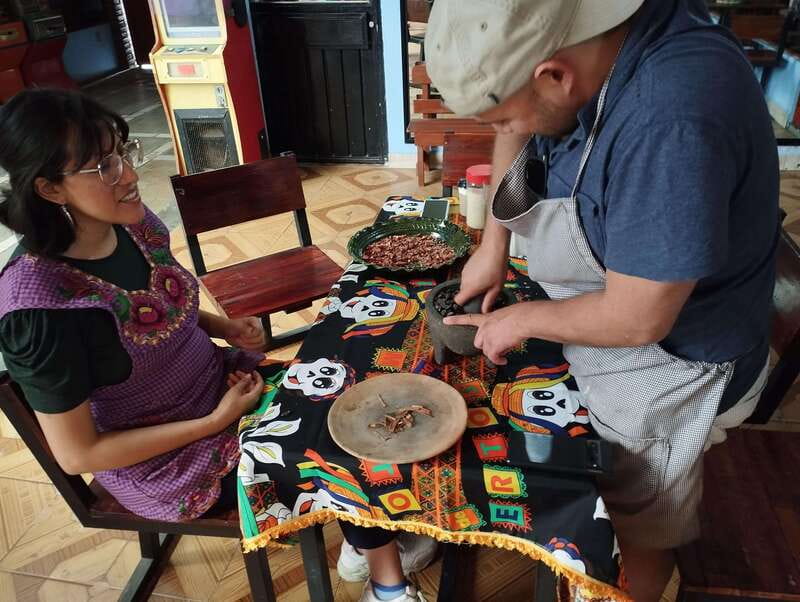
With a small group limited to 6 participants, the experience has a calmer energy. You’re more likely to get hands-on attention, and you can ask the kind of questions that pop up when you’re actually cooking, not after.
This also affects pacing. In at least one past booking, a class became private when there was only one participant, and the group ended slightly earlier than scheduled because cooking moved efficiently. The takeaway for you: the format can flex to the group size, which often means less waiting and more doing.
If you hate crowded tours where you feel anonymous, this is a strong fit. If you love chatting with your guide while cooking, it also helps that the group is small enough for conversation to flow.
Price and value of $116 for a 5-hour food lesson
At $116 per person for a 5-hour experience, the value comes from what’s included, not from the cooking alone. You’re getting:
- ingredient shopping at Etla market
- guided cooking instruction
- a full meal featuring multiple classic dishes
- traditional drinks like chocolate de agua and mezcal
- guided storytelling tied to what you’re tasting
- a live guide in Spanish and English
- a small group cap
So you’re paying for time, food, and context all in one. That’s why this can feel like good value for Oaxaca. Many cooking classes cover recipes and leave you with hunger or missing cultural meaning. Here, you leave with both meals and explanations that make the dishes easier to recreate later.
If you’re the type who wants to eat your way through Oaxaca with less guesswork, this price starts to make sense fast. If you only want light snacks or you’re trying to keep costs ultra-low, you might compare other free-walk-and-eat options. But for a guided, ingredient-led cooking class with a full menu, the structure is straightforward.
Who this Oaxaca cooking class is best for
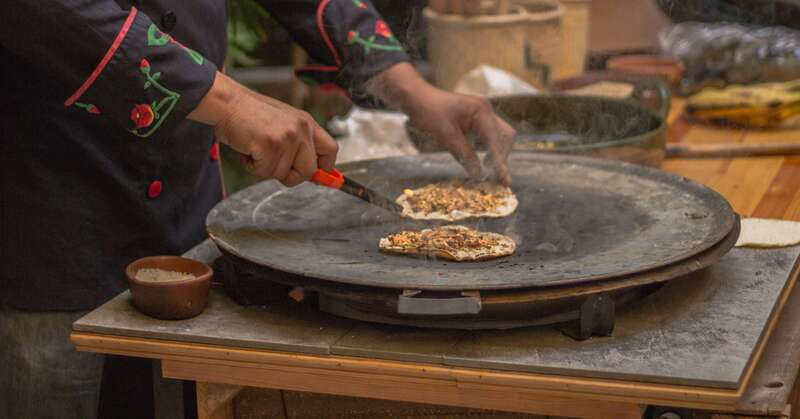
This is a great match if you want hands-on learning and you like your travel experiences to taste like where you are. It’s especially good for people who:
- enjoy cooking and want practical instruction
- want to learn what makes mole and Oaxacan corn-based dishes special
- like culture through food stories, not museum lectures
- prefer smaller groups over large tour lines
It’s also a good option for couples or friends who want an intimate outing that ends with a shared meal. If you’re traveling with dietary restrictions, be careful. The experience includes tasting local ingredients and dishes, and the menu includes chilies and dishes like chapulines and huitlacoche.
Who should consider skipping or adjusting expectations
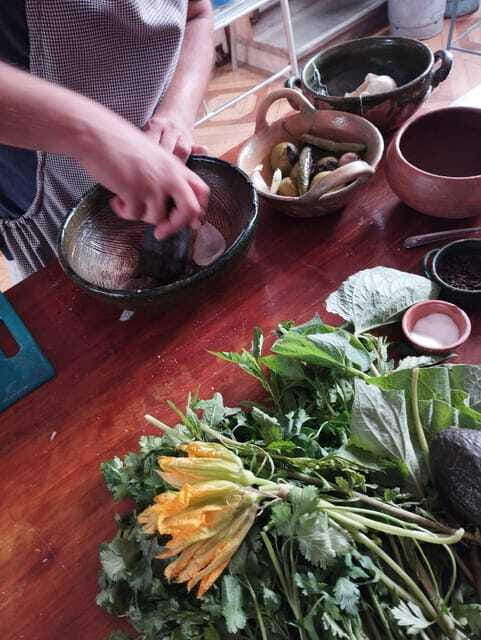
If you have health issues, this is a clear point to take seriously. The class is designed around tasting traditional regional ingredients, and you should consider how that fits your needs.
Also, if you strongly dislike trying new foods (especially insect-based dishes like chapulines or the unique flavor of huitlacoche), you’ll want to weigh that before booking. The class is about tradition, not about making everything mild.
Finally, it’s not built as a quick snack-and-leave class. It’s a 5-hour meal day, so plan your afternoon accordingly.
Quick FAQ
FAQ
How long is the Oaxaca Traditional Oaxacan Food Cooking Class?
It lasts 5 hours.
What’s included in the price?
The experience includes the cooking class.
Where do you pick up ingredients for the recipes?
You go to Etla traditional market to obtain the necessary ingredients.
How big is the group?
It’s a small group with a limit of 6 participants.
What languages are offered?
The live tour guide is available in Spanish and English.
What foods and drinks are part of the menu?
The menu includes memelitas de chapulines, memelitas de huitlacoche, egg memelitas with hierba santa, empanadas, mole, chocolate de agua, mezcal, yolk bread, and fresh flavored water.
Should you book this Oaxaca cooking class?
I’d book it if you want a true Oaxaca food day: market ingredients first, cooking next, then a full meal where stories explain why the dishes matter. The small group size and the Mixe storytelling angle are what make it feel more personal than a standard recipe lesson.
I’d think twice if you can’t handle tastings of local ingredients and traditional dishes, or if you know you won’t enjoy items like chapulines or huitlacoche. If you’re curious, though, this is one of those Oaxaca experiences that teaches you faster than any guidebook can.