A day in the village starts at home. This Zapotec day trip in Oaxaca feels personal from the start: you meet César and his family in San Dionisio Ocotepec, eat breakfast together, help with ancestral chocolate, and end at a small mezcal distillery for tastings. I love the family-led storytelling and the relaxed way the day flows at real pace, not a rushed circuit. One consideration: you’re signing up for a long, mostly on-your-feet day, so comfy shoes and a sun-ready mindset help.
César’s tour includes hotel pickup in Oaxaca City at 8:30 am, then about 75 minutes of driving into the countryside. It’s a private tour in English for just your group, with a plan that mixes food, craft work, village history, and mezcal—so you get both hands-on moments and context.
In This Review
- Key Things I’d Bet You’ll Remember
- From Oaxaca City to San Dionisio Ocotepec (8:30 am Start)
- Breakfast at Home: Pan Dulce, Tamales, and Real Oaxacan Chocolate
- Making Traditional Chocolate With Ancestral Techniques
- The Village Walk: History, Clothing Shops, and Everyday Places
- Lunch in the Traditional Kitchen (Then a Tuk-Tuk Loop)
- Shoe Making, Apron Work, and Craft Stops Beyond Food
- Mezcal at Dios Nunca Muere: Process and Tastings
- Pace, Personalization, and What Makes This Tour Feel Different
- Price and Value: Why $167.26 Can Make Sense Here
- Who This Day Trip Fits Best (And Who Might Want Another Option)
- What to Bring for a Long Village Day
- Should You Book a Day in a Zapotec Village?
- FAQ
- What time does pickup happen?
- How long is the tour?
- Is this a private tour?
- What’s included besides the tour itself?
- Is the tour offered in English?
- Can the guide adjust the schedule or skip stops?
- Is physical activity involved?
- Are service animals allowed?
- How does cancellation work?
- What if the weather is bad?
Key Things I’d Bet You’ll Remember
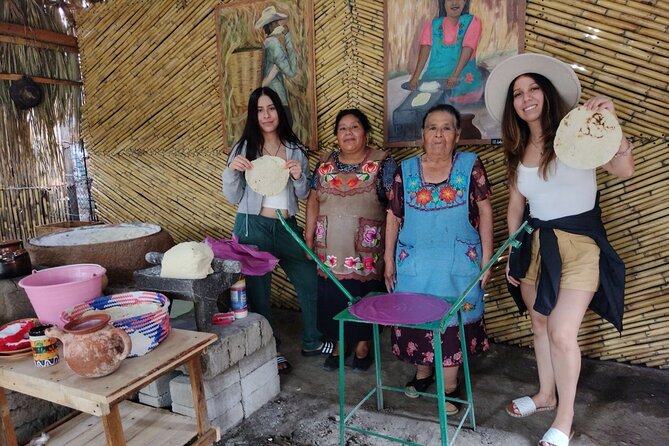
- Breakfast with César’s family first, not a drive-by “tourist stop”
- Chocolate-making the old way, from cacao to the final tasting
- A village walk that includes real daily life, plus small local shops
- Craft visits beyond food, like shoe making and apron-style work
- Mezcal at Dios Nunca Muere, with a process explanation and samples
From Oaxaca City to San Dionisio Ocotepec (8:30 am Start)
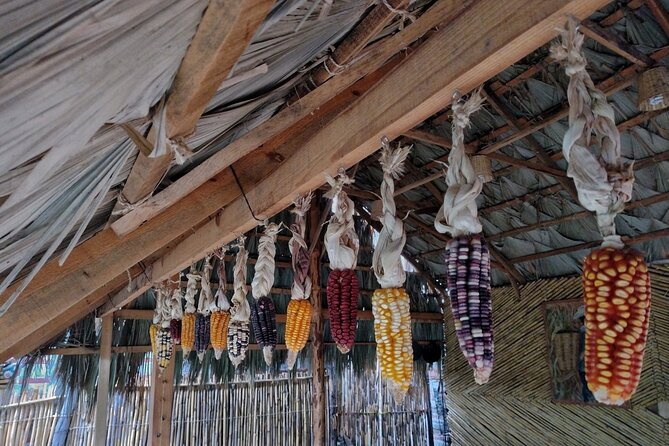
The day begins with pickup at your hotel in Oaxaca City at 8:30 am. After that, you’ll ride about 75 minutes to César’s hometown: San Dionisio Ocotepec. That early departure matters. You’re not fighting midday crowds or heat, and you arrive while the household rhythm is still calm enough for a real welcome.
You’ll also notice the first theme of the day: this isn’t built around big attractions or loud group choreography. It’s built around who lives here. Even the way the day is paced—breakfast, then cacao, then village time—makes it feel like you’re stepping into daily life rather than checking boxes.
What to plan for: expect a full day with some walking and time outdoors. If your idea of comfort is “always seated,” this tour may feel like a stretch. If you’re okay with moving at a steady, moderate pace, you’ll be fine.
You can also read our reviews of more tours and experiences in Oaxaca City.

Breakfast at Home: Pan Dulce, Tamales, and Real Oaxacan Chocolate
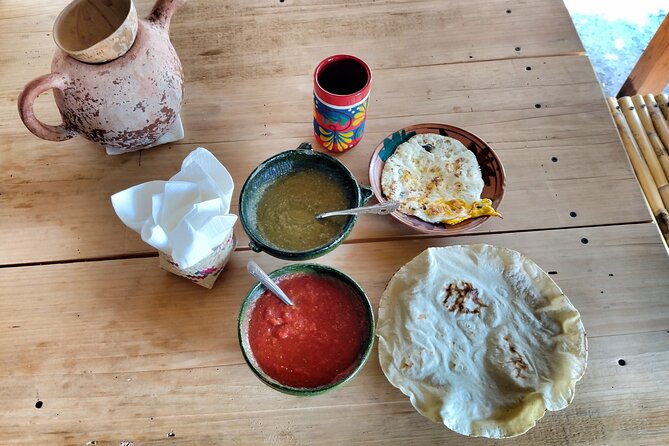
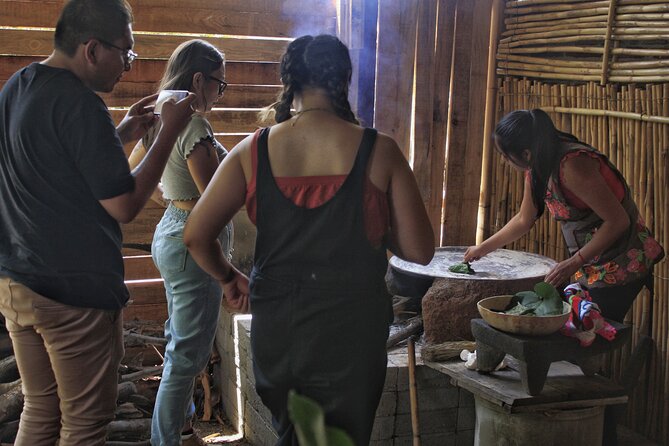
The welcome centers on breakfast, hosted by César’s mother and family in the home. Based on the tour’s structure, breakfast is more than a plate of food—it’s the intro to tastes and routines that make Zapotec life feel specific, not generic. You’ll be served traditional items like pan dulce and tamales, and you’ll also meet the chocolate story early with traditional Oaxacan-style hot chocolate.
This is a meaningful part of the day because it sets the tone. You’re not arriving, touring, then leaving. You’re eating in the place where the day starts. And that makes the later chocolate-making feel like a continuation, not a separate activity.
Practical tip: eat slowly at breakfast. The rest of the day includes hands-on cacao work and lunch cooked on-site, so you’ll want room for it all.
Making Traditional Chocolate With Ancestral Techniques
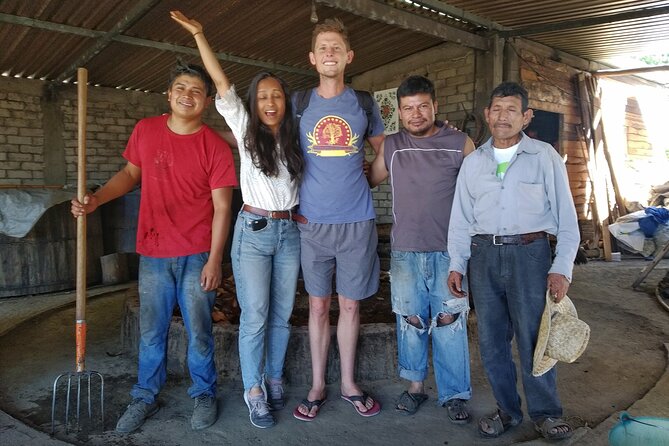
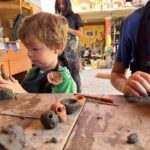
After breakfast, you’ll learn the traditional chocolate process using ancestral methods. The day doesn’t treat chocolate like a factory product. Instead, it’s a series of steps you can understand with your hands and senses—roasting cacao beans, cracking them from their shells, grinding (including on a metate, according to the experience details), and tasting as flavors develop.
This is one of the most praised parts of the day for a reason. Most food tours give you the final flavor and skip the hard work. Here, you get the in-between. You see how the ingredients transform and how much attention goes into basic steps that people have done for generations.
Why you’ll like this: you leave knowing how it changes, not just that it tastes good. That knowledge makes it easier to buy chocolate later and recognize what you’re actually tasting.
Small caution: cacao work can be messy and warm. If you’re picky about getting a bit dusty, wear clothes you’re okay with.
The Village Walk: History, Clothing Shops, and Everyday Places
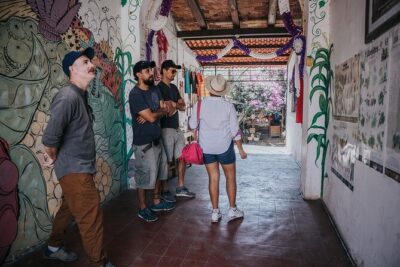
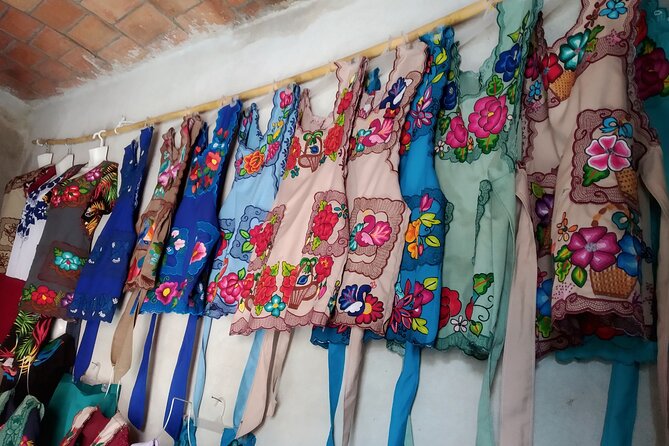
Once the chocolate work is underway and breakfast has settled, you’ll head into the center of town to learn about the place you’re standing in. The tour includes time to walk around and hear about local history and culture, plus a visit to a small clothing shop where Zapotec-style craft shows up in real buying and daily use.
One of the best things about this section is that it doesn’t feel like a staged route. The day includes interaction with the community and the sense that your questions matter. César is also described as fluent and responsive—so if you care about language, customs, or how the village has adapted over time, you’ll likely get clear answers.
What makes this practical: walking here is not the kind of sightseeing marathon that leaves you exhausted. It’s more like a guided orientation to how life is organized—where people go, what’s made locally, and why certain spaces matter.
Lunch in the Traditional Kitchen (Then a Tuk-Tuk Loop)
Lunch is cooked by César’s mother in a traditional kitchen. That matters because it keeps the day from drifting into a “tour stops and backseat” pattern. You’re eating food made as part of the home routine, not as a mass-prep meal designed for passing groups.
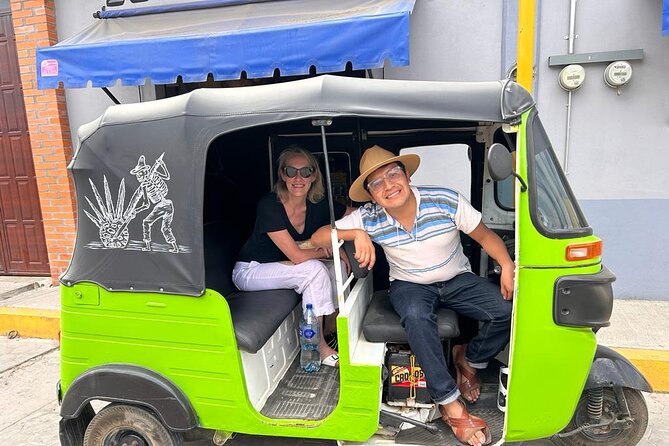
After lunch, you’ll take a short ride in a tuk-tuk around the town. This is a smart pacing tool. The tuk-tuk helps you cover more ground without turning the day into nonstop walking. It also gives you different angles on the village—helpful if you like to understand a place spatially, not just through stories.
If you’re planning photos: do them after meals too. Morning light and lunch time can be busy, but the tuk-tuk loop gives you a calmer window to get shots without constantly stopping people in the middle of their work.




Shoe Making, Apron Work, and Craft Stops Beyond Food
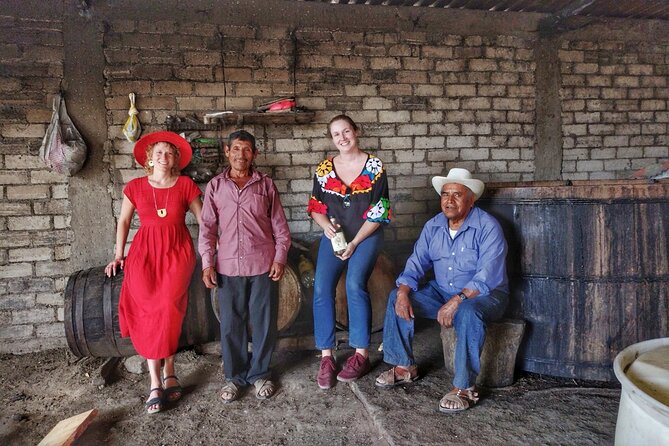
This day isn’t only about cacao and mezcal. Along the way, you’ll visit small craft businesses tied to the community, including a shoe factory and an apron making business. In some versions of the day, you may also encounter additional local craft elements like clothing made for the community and art tied to César’s network.
In the most detailed accounts, the tour even includes a brief look at a family art space connected to César’s brother. The overall effect is that you get a wider picture of Zapotec life: you see food traditions, but you also see work—what people make, how production fits into the day, and how skill passes from person to person.
Value angle: craft stops like these can be hit-or-miss on standard tours, where they’re mostly sales floors. Here, the craft is presented as living labor. That makes the explanation feel more useful and less sales-driven.
Mezcal at Dios Nunca Muere: Process and Tastings
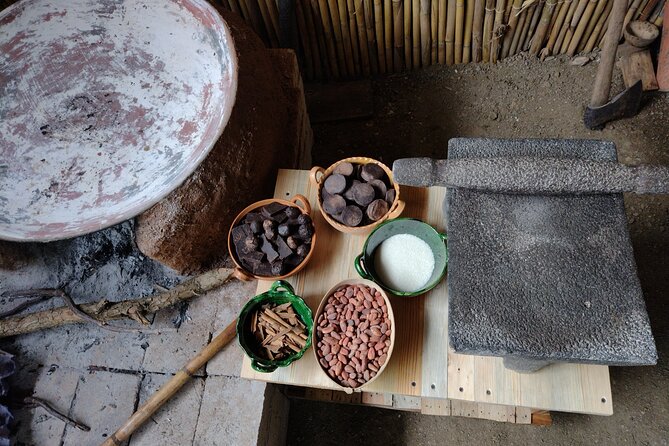
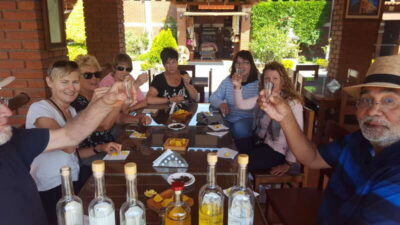
To close out the day, you’ll visit an artisan mezcal distillery, Dios Nunca Muere. You meet Saul, the owner, who explains the process and provides tastings. Mezcal is a major part of Zapotec culture, and this stop gives you more than a quick pour-and-go.
The benefit of doing mezcal at the end is simple: by then, you’ve already learned how food traditions are built step-by-step. So the mezcal lesson lands with context. You’re more likely to notice differences in flavor and process because you’ve just experienced the idea of transformation—cacao to chocolate is similar in spirit to agave to mezcal.
What to expect: tastings mean you should plan for moderate drinking, water, and a slower return ride. If you’re someone who prefers to avoid alcohol entirely, the distillery component is still educational, but you’ll want to communicate your preferences early.
Pace, Personalization, and What Makes This Tour Feel Different
A standout feature is how flexible the day can be. César can tailor the pace and, if you want, you can request skipping certain stops. That’s valuable because a day that’s family-run can feel perfect for some people and too slow or too fast for others. Having the option to adjust keeps it from becoming a one-size-fits-all script.
Also, this is a private tour, meaning you’re not absorbing the stress of waiting for strangers to catch up or deal with group dynamics. You can ask questions without holding up a line. In practice, that makes the cultural portions feel more like conversation than a lecture.
Price and Value: Why $167.26 Can Make Sense Here
At $167.26 per person for a roughly 9-hour day, the price sits in the “doable for a meaningful experience” range rather than the bargain bin. Here’s why it can feel worth it:
- You’re paying for access, not just transportation. The core value is spending time with César’s family in their home and learning hands-on food techniques.
- The day includes multiple components: breakfast, chocolate-making, village time, craft stops, lunch, and mezcal tastings. You’re not paying for one museum and one snack.
- Admissions/tickets are included as noted in the tour details, which helps reduce surprise add-ons.
- The tour is private, which is harder to come by at a price that also includes so much local, family-run instruction.
The only real value red flag to watch for is fit: if you want only major landmarks or you hate walking and time outdoors, this may not match your style. But if you want to learn how people live and work, the price tracks with the access you get.
Who This Day Trip Fits Best (And Who Might Want Another Option)
This works especially well if you:
- like food you can trace back to process
- enjoy talking with locals and asking questions
- want a slower, family-centered view of Oaxaca outside the city
- care about cultural context, not just photo moments
It might be less ideal if you:
- struggle with a moderate walking schedule
- prefer large-group, high-energy sightseeing
- want a strictly predictable timetable down to the minute
For most people, the sweet spot is a curious mindset plus basic stamina.
What to Bring for a Long Village Day
You won’t need a suitcase full of gear, but a few items will make the day smoother:
- Comfortable walking shoes (the village walk is part of the experience)
- Sun protection (morning starts early, but outdoor time happens)
- A light layer if you get cool on the ride back in the shade
- Your camera charged (craft and mezcal moments are photo-friendly, when timing allows)
- If you like souvenirs, bring some cash for small purchases at local shops
Also, since this includes food and drink tastings, let your guide know about allergies or strong preferences ahead of time.
Should You Book a Day in a Zapotec Village?
If you’re looking for the kind of Oaxaca day that teaches you something real—how chocolate is made, how daily life is organized, and how mezcal fits cultural practice—this is an excellent choice. The strongest reason to book is the setup: a family-led day in San Dionisio Ocotepec with hands-on work and thoughtful explanations from César and the people he introduces you to, including Saul at Dios Nunca Muere.
I’d say book it if you can handle a full day, some walking, and a bit of outdoor time. Skip it if you want only big-name sights, or if the idea of eating at a family kitchen doesn’t sound appealing. For the right traveler, this feels like one of those rare trips where you don’t just see a place—you understand it.
FAQ
What time does pickup happen?
Pickup is at 8:30 am from your hotel in Oaxaca City.
How long is the tour?
The tour runs about 9 hours.
Is this a private tour?
Yes. It’s private, so only your group participates.
What’s included besides the tour itself?
Admission tickets are included, and the day includes traditional breakfast, lunch, and visits tied to chocolate-making and mezcal.
Is the tour offered in English?
Yes, it’s offered in English.
Can the guide adjust the schedule or skip stops?
Yes. The pace can be tailored, and you can request skipping stops.
Is physical activity involved?
The tour is designed for people with moderate physical fitness, since there is walking around town.
Are service animals allowed?
Yes, service animals are allowed.
How does cancellation work?
You can cancel for a full refund up to 24 hours before the experience starts. If you cancel less than 24 hours before, the amount paid is not refunded.
What if the weather is bad?
The experience requires good weather. If it’s canceled due to poor weather, you’ll be offered a different date or a full refund.