REVIEW · OAXACA CITY
“Private Car and Driver – Passenger insurance -Master Artist’s Studios -Weavers-
Book on Viator →Bookable on Viator
Few days feel this personal.
This private car and driver day turns Oaxaca City into a craft workshop circuit, with access to master artists and hands-on studio visits that feel way less like shopping stops. You’ll choose one of three route styles (weaving and mezcal, wood/pottery, or Monte Albán plus ceramics), and then you can slow down or skip parts as you go.
I especially love how Don Roberto handles the day like it’s yours. His English is excellent, and the stops focus on real makers and true workmanship, not the most obvious tourist route. I also like the comfort details: A/C, cold purified water, ice, a cooler, and cold face towels—small stuff that keeps you going for a full six hours.
One consideration: entrance fees aren’t included, so you’ll want to budget a little extra for any tickets you choose to pay once you’re there.
In This Review
- Key points at a glance
- The whole point: a private car day that feels like craft access
- Three routes in one tour: pick your Oaxaca mood
- Route one: weaving, Dominican heritage, and mezcal stops
- Route two: wood carvers, black pottery, and back-strapped looms
- Route three: Monte Albán plus art schools and green ceramics
- The core stops you’ll likely build around
- The Tree of Tule and Dominican-era heritage: not just photos
- Artisan studios: how you actually spot quality
- Mezcal distillery time and lunch breaks that won’t waste your day
- Monte Albán plus paper and ceramics: the thinking-person’s route
- Transportation, comfort, and the “small practical wins”
- Price and value: when it’s a deal and when it’s not
- Who this suits best (and who might want another option)
- Should you book this private car and driver day?
- FAQ
- FAQ
- How long is the tour?
- What time does the tour start?
- Is this a private tour or shared group?
- How many people can be in a group?
- Do you pick up from hotels in Oaxaca City?
- What vehicle do you use?
- What routes are available?
- What’s included in the price?
- Are entrance fees included?
- Is there free cancellation?
Key points at a glance

- Three distinct route options so you can match the day to your interests
- Master artist studio time with chances to buy high-quality pieces
- Hotel pickup in Oaxaca City and a private ride with A/C
- A cooler-and-towels comfort kit to handle the heat without fuss
- Flexible pacing where you can stop, skip, and linger
The whole point: a private car day that feels like craft access
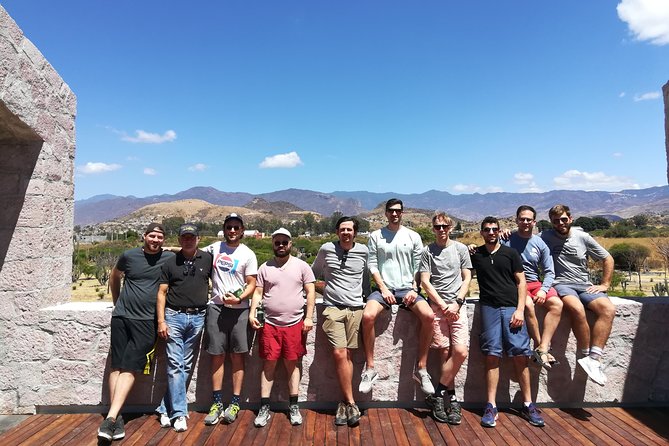
Oaxaca is one of those places where you can learn a lot just by watching people work. The difference here is that you’re not piecing together a ride and a schedule. You’re in a private vehicle with a driver who can time things to keep the day flowing, and who can explain what you’re seeing while you move between studios and heritage sites.
For you, that means the day stays practical. You’re not stuck waiting for a group, and you’re not forced to “hit everything.” If you care most about weaving, pottery, or architecture, the route choice helps you focus. And if your curiosity shifts mid-day, you can adjust on the fly—this isn’t a rigid checklist tour.
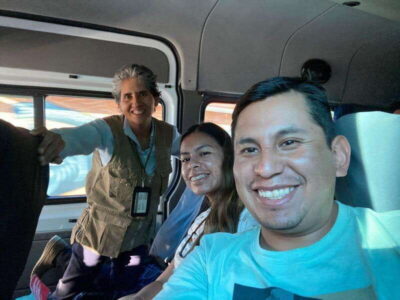
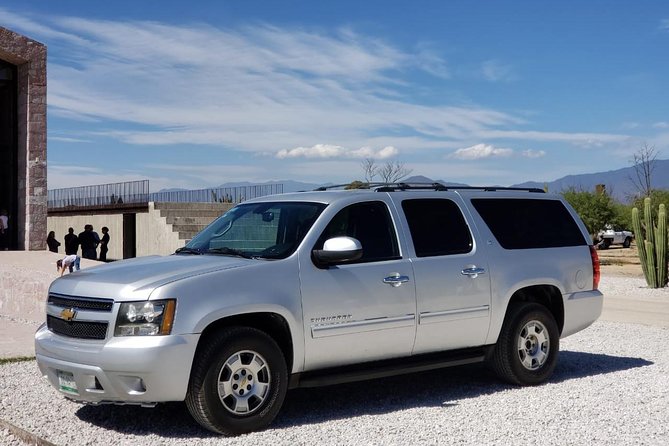
The other quiet win is comfort. The car options are a Chevrolet Suburban or an Audi sedan, both with A/C, plus cold purified water and ice. That matters when you’re hopping between workshops and outdoor landmarks for hours.
You can also read our reviews of more private tours in Oaxaca City



Three routes in one tour: pick your Oaxaca mood
The tour works as a menu: choose one route, and then the day builds around that theme. That’s smart because Oaxaca crafts aren’t all the same. The techniques, materials, and even the personalities behind the work can feel totally different.
Route one: weaving, Dominican heritage, and mezcal stops
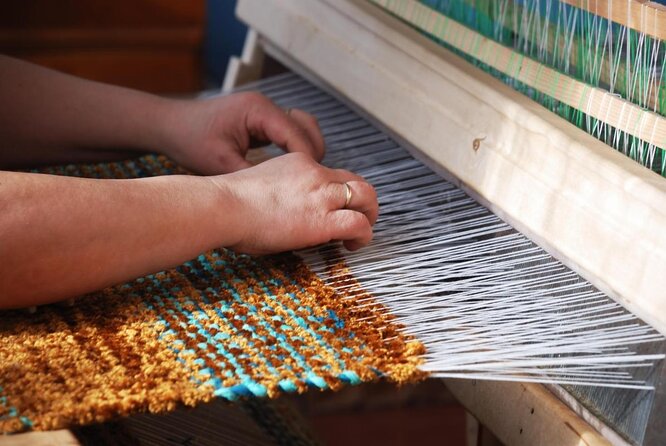
Route one is the craft-and-spirit path. You’ll head to Teotitlán del Valle (a weaving-focused stop), then to a sixteenth-century Dominican church area, and on to a weavers village and a mezcal distillery. This is a good choice if you want textile culture plus a clear craft-to-cocktail storyline: how raw materials and tradition become something you can see, touch, and taste.
A nice bonus from the way the day is run: you’re not locked into long museum-style viewing. You can spend more time where you actually care, like meeting a master weaver or taking in how a mezcal-making process is explained.
Route two: wood carvers, black pottery, and back-strapped looms
Route two leans into hands-on making. You’ll visit wood carver villages, black pottery workshops, and back strapped looms. If you love process, this route usually feels like watching tradition become technique in real time.
It’s also a solid pick if you’re the type who likes to compare materials—wood vs. clay, tool work vs. body-position weaving. Even without technical background, you can spot why one style looks, feels, and ages differently than another.
Route three: Monte Albán plus art schools and green ceramics
Route three brings the history-and-crafts blend. You’ll fit in Monte Albán, a hand made paper factory, a School of Art, and a green glazed and terracotta pottery village.
This route works well when you want variety in one day: architecture and landscape-level history early, then more tactile craft production after. It’s also a great “Oaxaca in one shot” option if it’s your first visit and you still want to leave time for shopping that isn’t last-minute chaos.
You can also read our reviews of more tours and experiences in Oaxaca City






The core stops you’ll likely build around

Even with route variety, your day can include a set of major touchpoints. These are the kind of places where Oaxaca crafts and culture show up quickly and clearly.
First up is Teotitlán del Valle, a stop that lines up nicely with weaving interests. You can expect a studio atmosphere where textile work is the center of attention.
Then there’s Exconvento de San Jeronimo, a major landmark that fits especially well for the Dominican church heritage side of the day. It’s a good moment to switch gears: from crafts and workshops to architecture and the bigger picture of how communities shaped their spaces.
Finally, San Martin Tilcajete adds another art-village energy. It’s the kind of stop where you’re likely to see craft made at a human scale—where the makers’ personalities matter as much as the objects.
One of the best parts is that Don Roberto helps you connect these stops instead of treating them as separate errands.
The Tree of Tule and Dominican-era heritage: not just photos
Route one includes the Tule tree, a landmark you’ll see referenced again and again once you start learning Oaxaca. The point isn’t the photo alone. It’s the scale and the silence of it. When you stand next to a tree with an enormous trunk, it changes how you think about time in a place like this.
Paired with that is the sixteenth-century Dominican church stop. In practice, this gives you a contrast: nature’s long timeline against the built timeline of Oaxaca’s colonial-era presence. Your guide can explain why these sites matter, but you’ll feel the difference mostly by shifting your pace and attention.
If you’re choosing between routes and you care about iconic Oaxaca landmarks, Route one is the most direct fit.
Artisan studios: how you actually spot quality
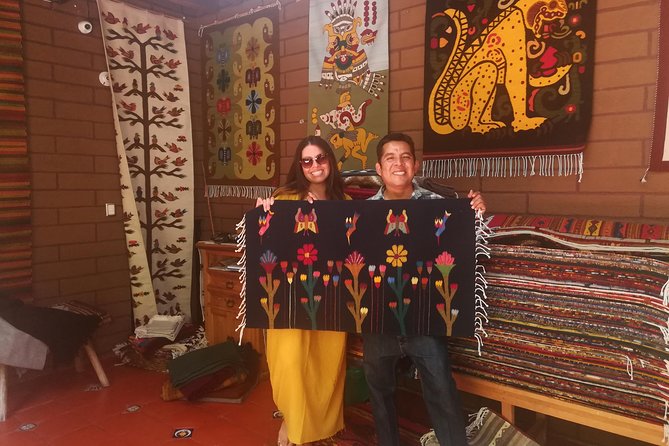
Here’s where this tour really earns its reputation: the craft stops are organized around master artists, and the goal is quality purchases. That matters because Oaxaca souvenirs can range from mass-produced to genuinely hand-made.
Don Roberto’s approach is to steer you away from the most touristy houses and guide you toward true artists and Masters. That can mean you leave with a piece that feels better in your hands, costs what it should for real labor, and comes with at least a little context about what you’re buying.
You can also follow your interests without getting pushed. If you want to buy, you’ll have time. If you don’t, you still get the best part: watching how craft is explained and practiced.
From past days, I like the way the day can include more than one discipline in a single circuit—examples include weavers, chocolate makers, candle makers, and even artists who work with painting and sculpture. That mix helps you understand Oaxaca craft as a whole culture, not just one product category.
Mezcal distillery time and lunch breaks that won’t waste your day

Route one brings a mezcal distillery stop. The practical win is that it’s placed where it fits the day’s story: crafts first, then the distilled product side of Oaxaca tradition. You’re not just grabbing a drink and moving on.
The other benefit: if you want to stop to eat, Don Roberto tells you where to go. And importantly, he does it in a way that keeps you moving without turning food into a random detour. You’ll get explanations with history and local context, which makes even a simple meal feel part of the experience.
If you like a schedule, this day still gives you structure. If you prefer to play it by ear, the private format lets you treat the meal stop as a flexible pivot rather than a timed obligation.
Monte Albán plus paper and ceramics: the thinking-person’s route
If you choose Route three, you’re mixing big-picture history with craft-making details. Monte Albán is the anchor. It gives you a sense of scale and civic planning that you can’t get from street-level sightseeing.
Then the day shifts to more intimate production: a hand made paper factory and a School of Art. That sequence helps you see the connection between tradition and education—how techniques are taught, repeated, and refined.
Finally you land in a green glazed and terracotta pottery village. This is the kind of ending that’s easy to remember because you’ve spent the day training your eyes: you know what to look for in texture, finish, and the craft logic behind design.
It’s a great day if you like variety and want a balanced mix rather than a single-topic focus.
Transportation, comfort, and the “small practical wins”
This tour includes the vehicle, A/C, cold purified water, ice, and even cold face towels. There’s also a cooler in the mix. Those details might sound minor until you’re halfway through a warm six-hour day hopping between studios and outdoor sites.
There’s also passenger insurance included, and that’s worth noting. You’re not paying extra for basic safety coverage inside the experience, and it helps reduce stress when you’re away from familiar routines.
And yes, it’s private. You won’t be stuck waiting for other people’s shopping pace. Your group sets the rhythm, which is why families and couples often like this setup. If you’re traveling with kids, the ability to slow down and customize time per stop can be the difference between a calm day and a hectic one.
Price and value: when it’s a deal and when it’s not
At $254.82 per group (up to 7), you’re paying for a private vehicle plus a driver-guide. The math gets interesting fast.
- If you book with a full group of 7, you’re effectively spreading the cost to roughly $36 per person, which is a strong value for private access to multiple craft stops.
- If you book as a pair, the per-person cost jumps. In that case, you’re really paying for convenience, comfort, and the personalized guide time.
So ask yourself one question: do you want a private day where you can buy, ask questions, and linger without negotiation? If yes, it’s good value. If you’re fine with a shared shuttle and less flexibility, it might feel expensive.
The best way to use the value is to choose the route that matches what you actually want to spend money on—then let the guide build the day around that focus.
Who this suits best (and who might want another option)
This experience fits you if you want hands-on culture with a practical plan. It’s especially good for:
- First-time visitors who want the best chance to see multiple Oaxaca craft traditions in one day
- People who care about buying quality pieces directly from makers
- Families who prefer controlling pace for kids
- Couples who want a quieter, less crowded feel than group tours
It might be less ideal if you only want one or two specific stops and you’re traveling on a tight budget. In that case, you may prefer to hire a taxi or rent a car and choose only the essentials.
Also remember: entrance fees are not included. If you’re the type who hates surprise costs, plan for that before you go.
Should you book this private car and driver day?
My take: you should book it if you want a serious artisan day with minimal friction. The strongest reasons are the private format, the focus on master artists, and Don Roberto’s ability to match the day to your interests while keeping comfort handled in the background.
You’ll feel the payoff most if you do at least one of these things:
- Go with a clear craft interest (weaving, pottery, wood carving, or the history-art blend)
- Be open to stopping longer where something genuinely catches your attention
- Use the guide’s connections to reach makers who aren’t just set up for the tourist conveyor belt
If you’re expecting a purely scripted tour, you might feel like it’s too flexible. If you’re hoping for Oaxaca to feel personal, this is the kind of day that can deliver.
FAQ
FAQ
How long is the tour?
It runs for about 6 hours, depending on the route and how you pace the day.
What time does the tour start?
The start time is 9:30 am.
Is this a private tour or shared group?
It’s private. Only your group participates.
How many people can be in a group?
The tour price is per group up to 7 people.
Do you pick up from hotels in Oaxaca City?
Yes. Pickup is available from any hotel in the city.
What vehicle do you use?
The tour is described as using a Chevrolet Suburban SUV or an Audi sedan, both with A/C.
What routes are available?
There are three route options: weaving and mezcal, wood carvers and black pottery with back strapped looms, and Monte Albán with paper and ceramics.
What’s included in the price?
A private service with the vehicle (A/C), bottled water, purified ice, a cooler, cold face towels, passenger insurance, and gasoline are included.
Are entrance fees included?
No. Entrance fees are not included.
Is there free cancellation?
Yes. You can cancel for free up to 24 hours in advance for a full refund.