REVIEW · OAXACA CITY
Art Workshops and Chocolate Shops Tour
Book on Viator →Operated by Etnofood Experiencias · Bookable on Viator
Oaxaca at 5 pm feels like a shortcut to the city’s creative side, and this tour pairs that with cacao tastings. I love the way the route uses quieter streets and art spaces to explain how cocoa shows up in everyday Oaxacan culture. Small groups (up to 10) also make it easier to ask questions without feeling rushed.
The other thing I like is the built-in tasting plan: water chocolate, Armargos sweets, and multiple chocolate styles with different coatings, plus coffee or tea. The main drawback is simple: this is a walking tour through parts of town, so if you have mobility limits or find walking hard, it’s probably not the right fit.
In This Review
- Key highlights you can plan around
- Oaxaca’s art-and-cacao combo makes sense
- Price and what $59.79 buys you
- The 5 pm start, the meeting point, and the walking reality
- Your tasting plan: water chocolate and multiple chocolate styles
- Stop-by-stop: Texier, TeoLab, Zócalo, and the art spaces in between
- Stop 1: Texier
- Stop 2: Teolab
- Stop 3: Oaxaca
- Stop 4: Zócalo
- Stop 5: Museo Textil de Oaxaca
- Stop 6: Taller Artistico Comunitario
- Stop 7: Adoratorio
- Why Pablo’s kind of guiding matters
- Group size keeps the tour from feeling rushed
- What to bring (and what to skip)
- Who should book this tour
- Should you book the Art Workshops and Chocolate Shops Tour?
- FAQ
- How long is the tour?
- What time does it start in Oaxaca City?
- How much is it?
- Is the tour offered in English?
- Where do I meet for the tour?
- What’s included in the price?
Key highlights you can plan around
- Up to 10 people means a more personal art-and-taste experience
- English-friendly tour with a guide who actively supports the group (Pablo is named in reviews)
- Cacao tastings include water chocolate and Armargos chocolates and sweets
- Coffee/tea plus purified water keeps you comfortable during the walk
- A stop at the Museo Textil de Oaxaca adds a textile angle to the art theme
- Ends where you start at TeoLabXicoténcatl, so you don’t have to re-navigate afterward
Oaxaca’s art-and-cacao combo makes sense
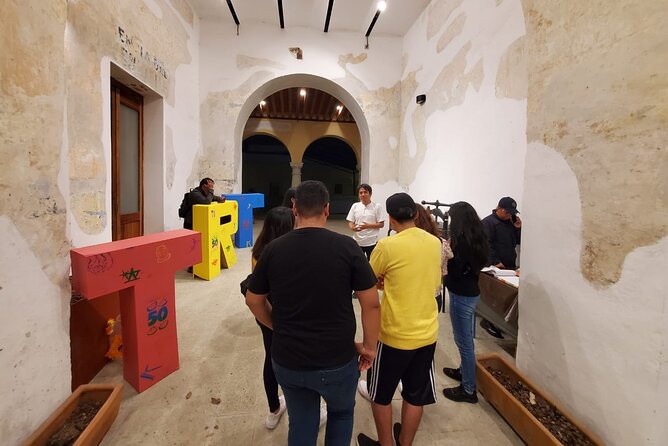
Cacao in Oaxaca isn’t only a flavor. It’s part of how people talk about ingredients, craft, and daily rituals. This tour is built to show that link in a way that feels practical: you walk through real creative spaces, then you taste how cocoa can show up as drinks and sweets.
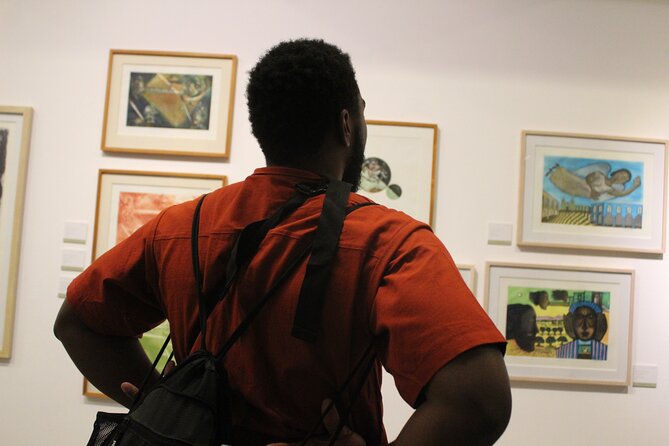
The format works because you’re not stuck in one shop. You move from galleries and artistic workshops toward public landmarks, then into places like the Museo Textil de Oaxaca and community art spaces. That mix helps you see Oaxaca as a place where creativity isn’t just something you look at behind glass.
You also get a clear time window—about 2 hours 30 minutes—which is perfect if you want something meaningful without eating an entire evening.
You can also read our reviews of more shopping tours in Oaxaca City



Price and what $59.79 buys you
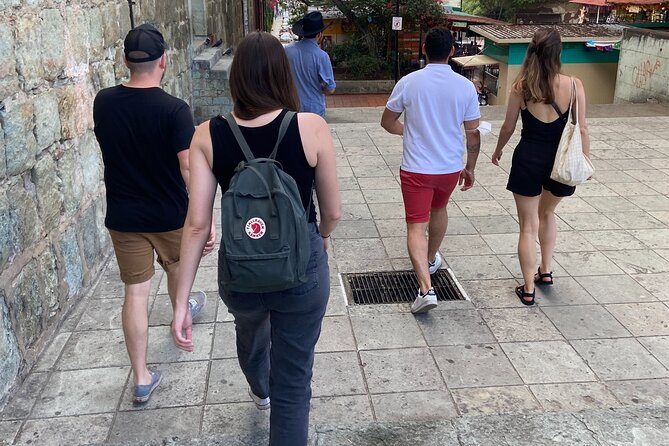
At $59.79 per person, this tour lands in the “worth it if you like food and craft” zone. You’re not only paying for the walk. You’re paying for:
- Snacks (chocolates)
- Coffee and/or tea
- Purified water provided without single-use plastic bottles
- A guided route that includes art stops across Oaxaca City
- A mobile ticket and English offering
For value, the key point is that your time is doing two jobs. You’re seeing art spaces and workshops, and you’re tasting cocoa in several forms. If your goal is only to eat chocolate, you could do it cheaper on your own. If your goal is to understand why Oaxaca’s cocoa culture looks the way it does, the guided structure helps.
And since the group stays small, you’re more likely to get the kind of guidance that makes tastings feel like a lesson rather than just free samples.
The 5 pm start, the meeting point, and the walking reality
You meet at TeoLabXicoténcatl 609, Centro, 68000 Oaxaca de Juárez, Oax., Mexico with a 5:00 pm start. The tour ends back at the meeting point, which is a relief. You won’t be left figuring out how to get home from a far corner of town.
This is also described as near public transportation. In practice, that matters because evening plans in Oaxaca can include switching streets quickly. It’s good to know you’re not locked into a private transfer.
One more thing to take seriously: it’s not recommended if you cannot walk or have an impediment. The itinerary moves through multiple stops and includes less-traveled streets, so come prepared for steady walking. If you’re the type who likes to stop often for photos, you’ll still be fine—but it’s not designed as a sit-and-watch event.
Your tasting plan: water chocolate and multiple chocolate styles
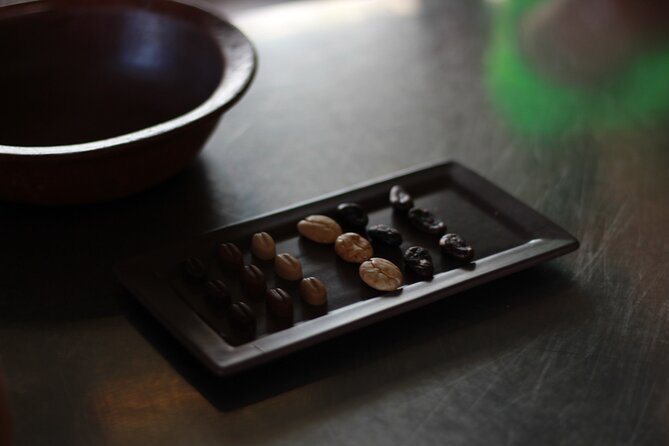
The tour’s sample menu gives you a realistic idea of what to expect. You’ll have:
- Starter: water chocolate
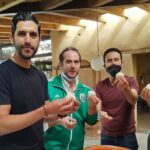
- Main: Armargos chocolates and sweets, plus different expressions of cocoa
- Dessert: chocolate in confectionery, with different chocolates and different coatings
- Coffee and/or tea
- Purified water (no single-use pet bottles)
Why this matters: water chocolate isn’t just another sweet. It signals that cacao can be treated as a beverage base, not only a bar. Then you shift into Armargos chocolates and sweets, which helps you compare texture and sweetness levels.
The part about different coatings is a smart way to taste diversity without making it overly complicated. Cocoa can taste similar yet feel totally different depending on what surrounds it—sugar type, crunch, or extra flavor layers. You’ll get to notice those contrasts instead of only chasing one “favorite.”
Practical tip: since this is chocolate-focused, plan your dinner afterward, not before. If you eat a big meal first, the desserts can feel smaller than they should.
Stop-by-stop: Texier, TeoLab, Zócalo, and the art spaces in between
The itinerary is paced like a neighborhood walk with structured pauses. You’ll see several distinct types of places: art stops, cocoa-oriented stops, and cultural landmarks. Here’s what each named stop brings to the experience, and what to watch for.
You can also read our reviews of more tours and experiences in Oaxaca City


Stop 1: Texier
Texier is the first stop, which is useful. It sets the tone early, so you’re not “warming up” after you already started walking. If you’re sensitive to strong flavors, this first touchpoint gives you a chance to find your preferred style before the tasting variety ramps up later.
What you’ll enjoy most here is the early mix of art attention plus cacao context. The guide’s job is to help you connect what you see with what you taste, not treat them as two separate activities.
Stop 2: Teolab
Teolab is a key name on the route, and it’s also where you’re meeting for the tour. That means it’s likely central to the experience’s theme. Expect a place that connects cacao culture to a more modern, maker feel—less museum lecture, more “here’s how it’s handled.”
Because this is a guided walk, the biggest advantage of Teolab as a stop is that you can ask quick questions while you’re still in the creative mood.
Stop 3: Oaxaca
This stop is broad by name, but it signals that you’re spending time in meaningful parts of Oaxaca City rather than hopping from one sealed venue to another. This is where the route through less-traveled streets matters. You’ll get the sense of place that makes the art stops feel less random.
If you like people-watching and street atmosphere, this part of the route helps the tour feel like an actual Oaxaca evening.
Stop 4: Zócalo
Zócalo is the “anchor” landmark. Even when the tour takes quieter side streets, ending up near the central public square gives you a clear orientation. It’s also a natural moment to slow down and reset if you’re using the tour as your first evening plan in the city.
The trade-off: if you dislike crowds, you might prefer the quieter artside streets. Zócalo is still useful because it frames what you’ve already seen with the city’s main pulse.
Stop 5: Museo Textil de Oaxaca
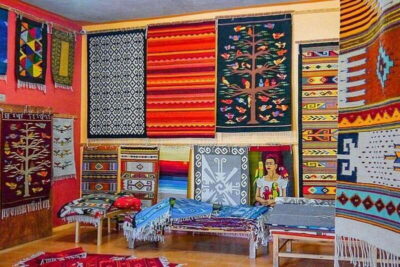
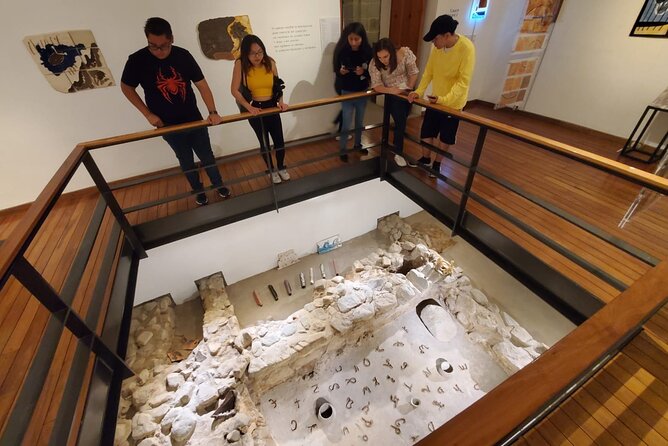
The Museo Textil de Oaxaca adds a craft dimension beyond cacao. Textiles are one of the strongest ways to see tradition translated into design. Even if you aren’t a textile specialist, you’ll likely appreciate the skill and the visual storytelling.
This stop also helps balance the tour. After chocolate tastings and art spaces, the textile museum gives your brain a different kind of focus. You’ll come away thinking about materials—color, pattern, and technique—in the same way you think about ingredients.
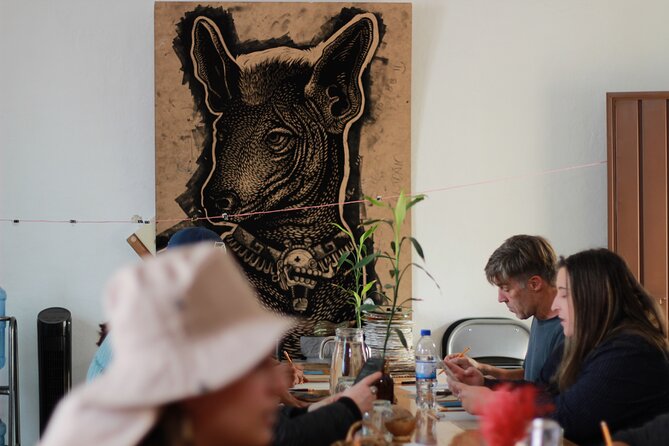
Stop 6: Taller Artistico Comunitario
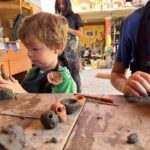
A Taller Artistico Comunitario sounds exactly like what it is: community-oriented art work. This is where the tour theme turns toward making, not only viewing.
This stop tends to be especially valuable for anyone who cares about local creativity that isn’t designed for tourists first. You’re more likely to come away with a sense of how art functions inside everyday community life.
Stop 7: Adoratorio
Adoratorio rounds out the route with a more spiritual or ceremonial tone. Even if you’re not sure what to expect on arrival, the name suggests the space isn’t just decorative. It’s an atmosphere stop—one that can shift you from the sweet-and-art rhythm into something more reflective.
For some people, this is a perfect finale before you walk back. For others, it might feel more quiet than the earlier tasting-heavy stops. Either way, it keeps the route varied.
Why Pablo’s kind of guiding matters
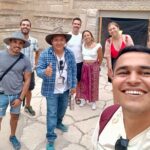
One thing that shows up in the experience feedback is the attention the guide gives to the whole group. Pablo is specifically mentioned as working hard to make sure a mixed group—mom, dad, and two teenagers—had a good time.
That detail matters for you because it suggests the tour isn’t only for art history types or only for chocolate lovers. It’s designed to be social and readable. You can ask questions and stay engaged without feeling like you’re on a formal lecture schedule.
If you travel with different ages or different interests, this is the kind of guide approach that keeps everyone connected.
Group size keeps the tour from feeling rushed
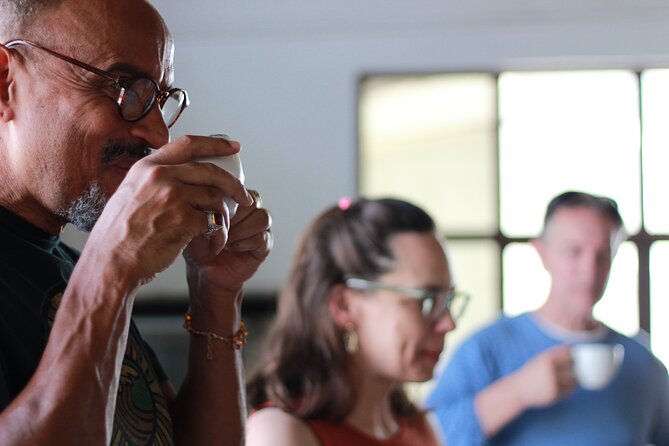
With a maximum of 10 travelers, you get a sweet spot. It’s small enough for the guide to pay attention, and it’s big enough that the walk feels lively.
In a group this size, you’re more likely to:
- hear your guide clearly during stops
- get answers instead of only general remarks
- take your time without holding up a huge line
If you’ve ever done a tour where you spend half your time waiting at the back, this structure helps you avoid that.
What to bring (and what to skip)
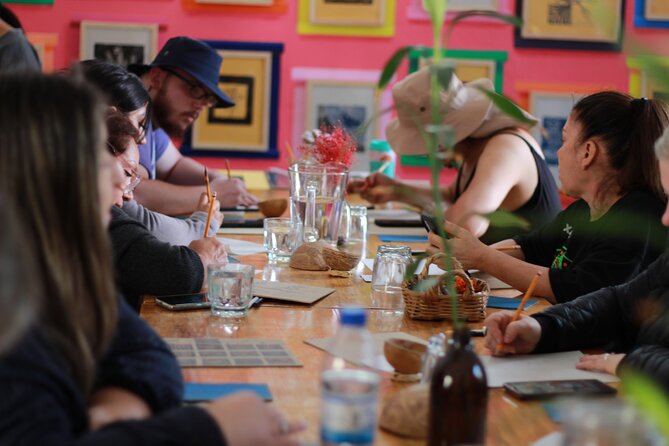
Bring:
- comfortable shoes for walking across multiple stops
- a light jacket or layer if evenings cool down during your trip
- a water bottle appetite, because tastings add up
Skip a heavy meal right before. This tour includes chocolates plus dessert and coffee or tea, so you’ll want space to enjoy the whole menu instead of getting sugar-stuffed early.
If you’re planning photos, keep your camera handy, especially near Zócalo and the museum-style stop. The art route makes it easier to frame images around craft and cacao culture, not just storefront shots.
Who should book this tour
This is a great pick if:
- you like art that includes process (workshops and community art spaces)
- you want to taste cocoa in more than one form
- you’re traveling with mixed ages and want a guide who keeps everyone engaged
- you want a structured plan for a 5 pm evening that ends where you start
It may not be ideal if:
- you need very limited walking time or have mobility issues
- you want a purely relaxed food crawl with no art stops
- you don’t drink coffee/tea and also aren’t into chocolate tasting variety
Should you book the Art Workshops and Chocolate Shops Tour?
I’d book it if your ideal evening in Oaxaca City includes both craft culture and real tastings, and you like guided pacing. The price feels fair for the package: chocolate snacks, coffee or tea, purified water, and a compact art-and-cacao route that runs about 2.5 hours.
I would skip it if walking is a challenge for you. The tour is built around multiple stops across town, and the walking element is part of how the theme connects.
If you’re on the fence, think about this: you’re not just buying chocolate. You’re getting a route that links cocoa to Oaxaca creativity through art, textiles, and community spaces. If that connection sounds like your kind of travel, this is an easy yes.
FAQ
How long is the tour?
The tour lasts about 2 hours 30 minutes.
What time does it start in Oaxaca City?
It starts at 5:00 pm.
How much is it?
The price is $59.79 per person.
Is the tour offered in English?
Yes, the tour is offered in English.
Where do I meet for the tour?
You meet at TeoLabXicoténcatl 609, Centro, 68000 Oaxaca de Juárez, Oax., Mexico.
What’s included in the price?
You get snacks with chocolates, coffee and/or tea, and purified water (without single-use pet bottles).