REVIEW · OAXACA CITY
Make Oaxacan-style take-home chocolate
Book on Viator →Operated by Etnofood Experiencias · Bookable on Viator
Cacao lessons in Oaxaca feel personal. You learn the story of Oaxacan chocolate and make a bar you’ll take home, guided in English by Tomás and his team at TeoLabXicoténcatl in Centro. You’re not just tasting sweets—you’re getting your hands on the process and shaping your own 150 grams of chocolate.
I love how the class ties craft to place. You’ll hear why Oaxaca cacao—especially Criollo—matters, and you’ll taste the quality that comes from locally grown beans. I also like the human side: the way Tomás shares personal inspiration (including a family story that led him into chocolate).
One consideration: with a maximum of 6 people and a 2.5-hour schedule, the pace is fairly focused. If you want long, unhurried discussion with lots of variations and slower practice time, you might wish there were a bit more class length.
In This Review
- Key things to know before you go
- Oaxacan Take-Home Chocolate: What This Workshop Really Gives You
- Where the Class Happens in Oaxaca City (Centro logistics that matter)
- The cacao story: why Oaxaca isn’t just a stop on the chocolate map
- What you actually do: the hands-on chocolate making flow
- Flavor design in Oaxaca style: tasting while you learn
- Snacks, coffee or tea, and how they fit into the class
- Price and value: is $60.95 a good deal?
- Group size and the guide dynamic: why Tomás’s teaching style matters
- Practical tips so you get more out of the class
- Who should book this workshop (and who should think twice)
- Should you book the Oaxacan Chocolate and Mexican Flavors Class?
- FAQ
- How long is the Oaxacan-style take-home chocolate class?
- Where does the class start?
- Is the class offered in English?
- What’s the group size limit?
- What’s included in the price?
- How much chocolate do I take home?
- Do I need to wait for confirmation after booking?
- Are service animals allowed?
- What’s the cancellation policy for a full refund?
- Is a mobile ticket used for this activity?
Key things to know before you go
- You take home 150 grams of chocolate you design
- Small group size (up to 6) keeps the class hands-on
- The guide Tomás connects cacao history to today’s Oaxacan flavors
- You make more than just chocolate bars, including Oaxacan hot chocolate and candies
- English-led with you tasting as you learn, not after a lecture
Oaxacan Take-Home Chocolate: What This Workshop Really Gives You
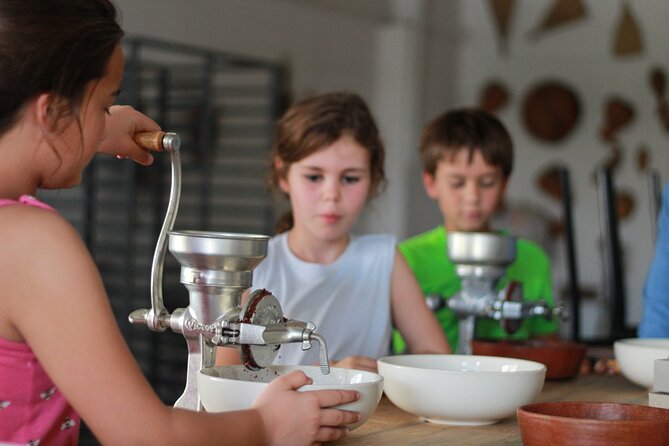
Oaxaca City is packed with food experiences, but this one has a clear payoff: you leave with a chocolate bar you helped create, plus a better sense of why Oaxacan chocolate tastes the way it does. The workshop is built around the process of cacao and how it became a worldwide product, with a special emphasis on Oaxaca’s role in that story.
What makes this class feel worth your time is the mix of explanation and making. You’ll hear about the evolution of chocolate over the last 300 years, but it’s not delivered as trivia. It’s used to help you understand flavors, ingredients, and why specific steps matter when you’re turning cacao into something you can gift—or eat without guilt.
You’ll also notice a theme running through the teaching: chocolate is treated as more than a dessert. The class frames it as something that people associate with energy, happiness, and clarity in decision-making. Even if you take that as more cultural than scientific, it gives the workshop a different tone than a plain “how to temper chocolate” lesson.
You can also read our reviews of more tours and experiences in Oaxaca City
Where the Class Happens in Oaxaca City (Centro logistics that matter)
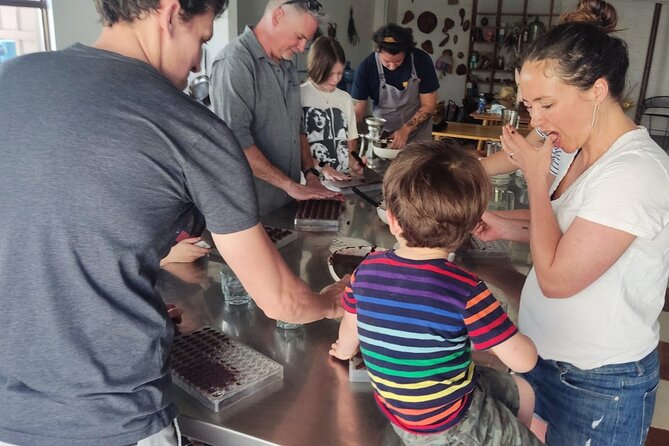
You’ll meet at TeoLabXicoténcatl 609, Centro, Oaxaca de Juárez. The activity starts there and ends right back at the meeting point, so you don’t need a long commute or complicated hop-around logistics.
This matters in Oaxaca. Centro is walkable for a lot of visitors, and it’s also close enough to public transportation that you can plan around it easily. The class is set up as a focused block of time (about 2 hours 30 minutes), so starting and finishing at the same spot helps you keep the rest of your day flexible.
A couple practical touches from the details given: you’ll get a mobile ticket, and service animals are allowed. That’s not glamorous, but it’s the kind of stuff that makes the day smoother when you’re traveling.
The cacao story: why Oaxaca isn’t just a stop on the chocolate map
The workshop opens with the origin story of cacao and chocolate, and it pushes back on the idea that chocolate’s true discovery happened only in Europe or Africa. Instead, you learn that the roots trace back to southern Mexico, and that Oaxaca is especially important because its cacao—linked to Criollo—comes from the tropical jungle areas near the Pacific.
This isn’t presented as distant history. It’s used to explain flavor. When a cacao bean comes from a specific region, you tend to get different notes after processing. That’s what you’re aiming to taste in the class.
The history portion also talks about how chocolate evolved over time and how people used it. The teaching covers not only food but a broader cultural range—drinks, cooking, and even how chocolate shows up in discussions around things like pharmaceuticals and edible aphrodisiacs. You don’t need to buy into every cultural claim to appreciate the point: cacao became important because it moved easily through daily life.
And yes, you’ll likely leave with a stronger sense of what “Oaxacan chocolate” means beyond marketing.
What you actually do: the hands-on chocolate making flow
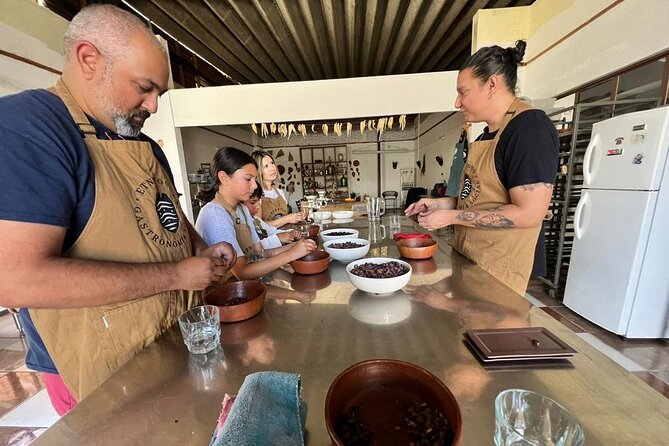
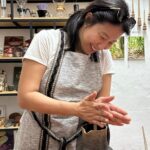
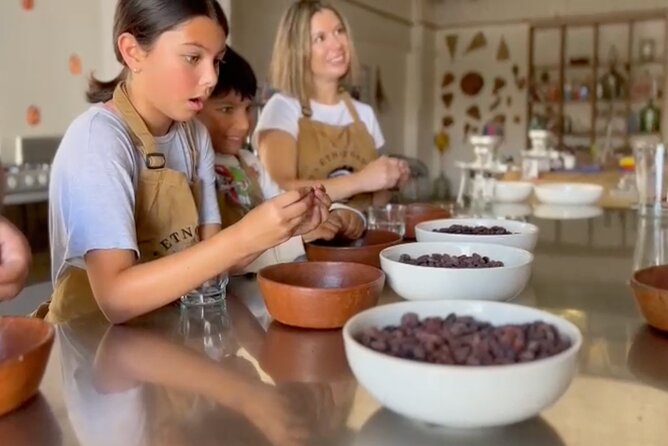
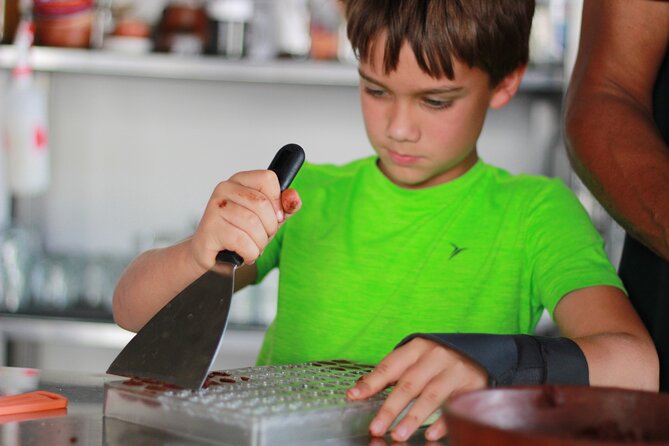
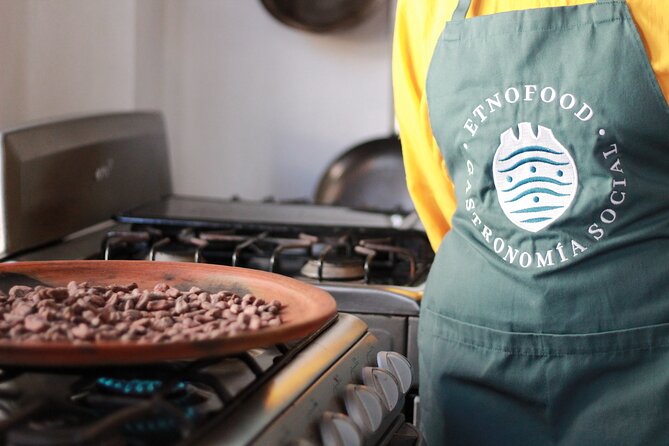
This is not a sit-and-watch class. You’ll be set up with equipment and workspace tools like mills, stoves, and molds, plus aprons. The hands-on structure is a major part of the value, because you’ll learn what each step is for and see how the ingredients behave when you work with them.
From the experience format, you can expect a build-from-scratch rhythm:
- Learn the process and what changes as cacao goes from bean to chocolate
- Practice key steps while everything is in front of you
- Create a finished chocolate product as part of the class
One of the standout bits from the class feedback is that you don’t just end with a single outcome. You create chocolate candies and also prepare Oaxacan hot chocolate. That expands the experience from “make one bar” into “make and understand chocolate in multiple forms.”
At the end, you take home 150 grams of chocolate designed by you. That’s a tangible souvenir, not just a photo moment. It also means you can remember the flavors long after you’ve stopped smelling cocoa in the air.
Flavor design in Oaxaca style: tasting while you learn
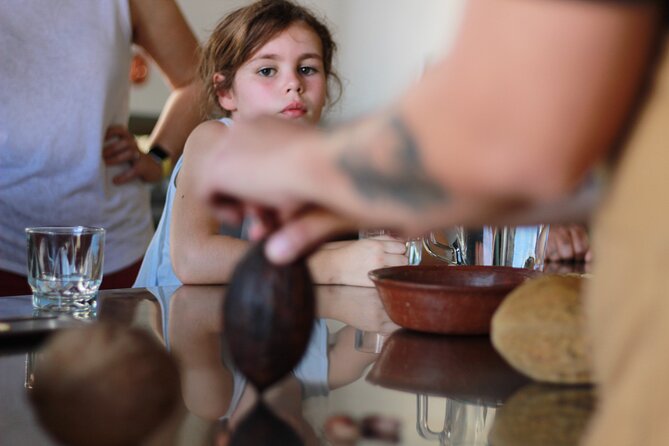
Designing your chocolate is framed as a creative choice tied to mood and intention. The class encourages you to think about how you want the chocolate to feel and what you want it to do for the people you share it with. That’s the part that sounds poetic, but in practice it helps you pay attention to flavor decisions rather than treating chocolate like a uniform product.
As for the “why does this taste different” part, you’ll get a guided approach to tasting. Several experiences you’ll hear about focus on the quality and purity of cacao from locally grown beans. You’re not just sampling sugar. You’re tasting cacao character—what the region and processing bring to the finished chocolate.
This is also where the Criollo emphasis matters. If you’re the type who likes to understand what you’re tasting (rather than just enjoying it), this class gives you the story and the sensory input at the same time. It’s a rare combo: explanation that doesn’t feel like homework.
And don’t worry if you’re not a trained foodie. The class approach is interactive, and the practical advice is to ask questions and stay involved—especially since the class size is small.


Snacks, coffee or tea, and how they fit into the class
You’ll get snacks from the chocolate shop as part of the session. You also have access to bottled water, with the detail that they don’t use plastic bottles. On a day of walking in Centro, those small comforts matter more than you think.
You can request coffee and/or tea when you arrive. This is useful because it keeps the timing comfortable. You’re working with cacao and tasting along the way, so you’ll want something warm or calming in the background while you focus on texture and flavor.
If you’re sensitive to sugar or you tend to get tired easily, this kind of snack and drink support can help you enjoy the full 2.5 hours instead of fading halfway through.
Price and value: is $60.95 a good deal?
At $60.95 per person, this class isn’t a “cheap snack experience.” But it’s also not priced like a high-end private chef workshop. The value depends on what you want out of Oaxaca.
Here’s the practical breakdown:
- Duration of about 2.5 hours
- Small group (up to 6 travelers), so hands-on time is realistic
- You take home 150 grams of chocolate you design
- You get coffee/tea options, snacks, and water
- You use the tools and setup needed for chocolate making (aprons, mills, stoves, molds)
If you compare it to doing chocolate tastings and buying bars on your own, the big difference is labor and instruction. You’re paying for a structured process and a guided outcome, plus the ability to take your own creation home.
Also, the class is offered in English, which can expand value for visitors who don’t want to hunt for a Spanish-only option.
One more pricing angle: the booking pattern is fairly active (on average it’s booked about 21 days in advance). That’s a signal that dates can fill. If Oaxaca chocolate is on your must-do list, planning ahead protects you from last-minute schedule stress.
Group size and the guide dynamic: why Tomás’s teaching style matters
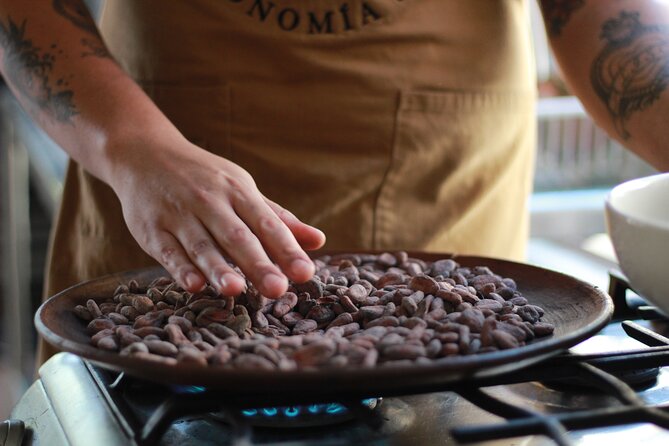
You’ll be in a group capped at 6, which is ideal for interaction. That matters because chocolate making is physical. You learn faster when you can ask questions, adjust your approach, and get feedback while you’re working.
The class leader is mentioned as Tomás (sometimes shown as Thomas). Multiple experiences highlight his teaching style as thorough and heartfelt, and you can also expect personal storytelling. One account specifically notes that Tomás shared inspiration drawn from his grandmother, which helps explain why cacao isn’t just a product to him—it’s a life path.
If you’re the type who likes to talk with locals, this is the kind of class where it’s worth asking why certain steps exist and how Oaxaca flavor traditions grew. The tone is friendly and interactive, so you’re not stuck swallowing information like a lecture.
Practical tips so you get more out of the class
This experience is short, so preparation helps you get the most out of the hands-on work.
- Come hungry but not starving. Snacks and drinks are provided, but you’ll enjoy the tasting part more if you’re comfortable energy-wise.
- Ask questions early. The teaching style benefits from interaction, and chocolate making responds well to real-time clarification.
- Think about gifting. With 150 grams take-home, you can portion it for friends or save a chunk for yourself. Plan your day so you can store it properly on travel days.
- Dress for mess risk. You’ll wear an apron, but cocoa can be stubborn. Wear clothes you don’t mind if you get a little cacao dust.
Who should book this workshop (and who should think twice)
This is a great fit if:
- You want a hands-on food experience in Oaxaca City, not just a tasting crawl
- You care about where flavors come from and want the story tied to the ingredients
- You like small-group activities with a guide who talks like a real person, not a script
- You want an edible souvenir that’s actually personal, since you design the chocolate you take home
You might think twice if:
- You’re looking for a long, slow cultural experience with plenty of free time
- You prefer purely social tours with lots of wandering and independent exploring during the main event
- You only want to buy chocolate and skip the making process
Should you book the Oaxacan Chocolate and Mexican Flavors Class?
Yes, if you want a structured, small-group workshop where you learn the cacao story and leave with edible results. The pricing looks reasonable once you factor in the 150 grams take-home bar, the tools used, and the hands-on time (plus coffee/tea, snacks, and non-plastic bottled water).
If your goal is simply to eat chocolate in Oaxaca, you can do that lots of ways. But if your goal is to understand and create Oaxacan-style chocolate, this class does exactly that in about 2.5 hours.
FAQ
How long is the Oaxacan-style take-home chocolate class?
It runs for about 2 hours 30 minutes (approx.).
Where does the class start?
You start at TeoLabXicoténcatl 609, Centro, 68000 Oaxaca de Juárez, Oax., Mexico, and it ends back at the meeting point.
Is the class offered in English?
Yes, it’s offered in English.
What’s the group size limit?
The class has a maximum of 6 travelers.
What’s included in the price?
Coffee and/or tea (you can request upon arrival), bottled water (without plastic bottles), snacks, and the tools used for the workshop like aprons, mills, stoves, and molds.
How much chocolate do I take home?
You take home 150 grams of chocolate designed by you.
Do I need to wait for confirmation after booking?
You receive confirmation at the time of booking.
Are service animals allowed?
Yes, service animals are allowed.
What’s the cancellation policy for a full refund?
You can cancel up to 24 hours in advance for a full refund. If you cancel less than 24 hours before the start time, the amount you paid will not be refunded.
Is a mobile ticket used for this activity?
Yes, it includes a mobile ticket.