REVIEW · OAXACA CITY
1 Hour Oaxacan Chocolate Making Class with Mole-making and Drinks
Book on Viator →Operated by Casa Crespo Cooking Class · Bookable on Viator
Cacao turns into lunch magic in an hour. This 1-hour Oaxaca City class with Casa Crespo Cooking Class takes you from toasting cacao beans to making chocolate bars that later become simple mole and hot chocolate. You also get snacks and a licensed guide in English, for a small group of up to 14.
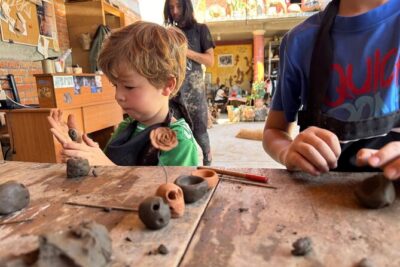
What I like most is how hands-on it feels: you’re not just watching a demo. You’re actually learning the steps that matter, from grinding chocolate to building flavor with dry chiles, chocolate, and bread for the mole.
One thing to consider: it’s short. With only about an hour, you’ll focus on the core techniques and tasting, not a long, multi-course cooking marathon.
In This Review
- Key things that make this class worth your time
- A fast, friendly workshop on why chocolate matters in Oaxaca
- What you’ll make: mole sauce and hot chocolate from cacao to finish
- The mole you’ll build
- The hot chocolate you’ll drink
- Inside the hour: how the lesson moves from beans to chocolate bars
- Toasting cacao beans (where aroma becomes flavor)
- Grinding chocolate (texture is the whole game)
- Making chocolate bars (so you understand the form)
- The tasting payoff: mole over chicken and chocolate dessert
- Price and value: $40 for a small-group, hands-on cocoa workshop
- Meeting point and timing in Oaxaca City (so you don’t waste time)
- Who this class is for (and who might want something else)
- Tips to get the most from your chocolate-making hour
- Should you book this Oaxaca chocolate class?
- FAQ
- Where is the meeting point for the class?
- What time does the class start, and how long is it?
- Is the class offered in English?
- What’s included during the experience?
- How big is the group?
- Is the experience refundable?
- Is a service animal allowed?
Key things that make this class worth your time
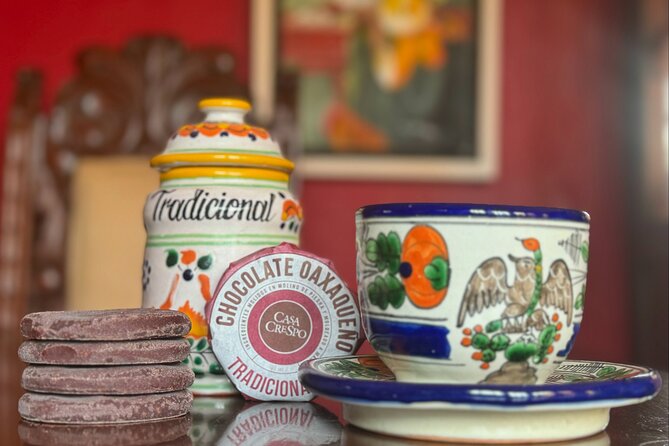
- Toast cacao beans and understand why that first heat matters
- Grind your own chocolate into a paste that becomes the base for drinks and sauce
- Make mole with dry chiles, chocolate, and bread (a simple, foundational version)
- Mix hot chocolate with water or milk so you can taste the difference
- Small group size (max 14) keeps questions and hands-on time realistic
- You end with tasting like mole sauce over chicken and a chocolate dessert such as ice cream
A fast, friendly workshop on why chocolate matters in Oaxaca
Chocolate in Mexico is not just a sweet. In this class, you get the practical background on how chocolate has been used in small communities, and why it’s such a big deal in the country’s food culture. That context makes the cooking steps feel more meaningful, not like a gimmick.
You’ll start with cacao beans, then move through the key actions: toasting, grinding, and turning chocolate into bars. After that, those chocolate basics feed into two favorites—mole and hot chocolate. If you enjoy food learning you can taste right away, this format hits the sweet spot.
The vibe is also built for interaction. With a max group size of 14, you’re less likely to feel like a spectator. You get enough attention from the licensed guide to actually understand what’s happening at each stage.
You can also read our reviews of more tours and experiences in Oaxaca City
What you’ll make: mole sauce and hot chocolate from cacao to finish
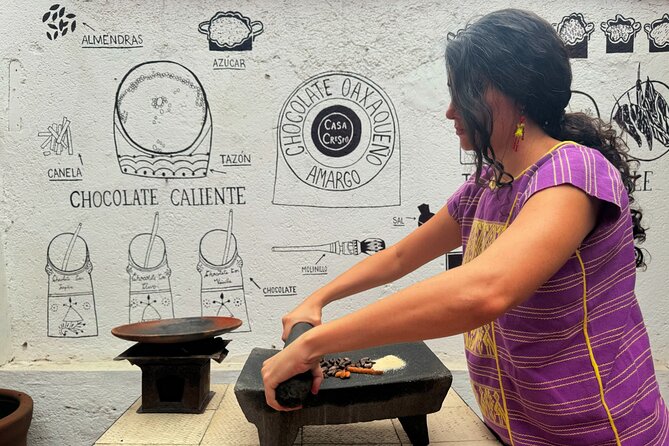
This class is built around a simple but real workflow. You don’t just make one thing. You create a chocolate base, and then you apply it.
The mole you’ll build
The sample menu points you toward a mole created with dry chiles, chocolate, and bread. That matters because it’s the classic logic of mole: depth from chile heat, body from bread, and chocolate as a flavor anchor rather than just sweetness. Even if your version is “simple,” the idea is the same one people have used for generations—layering flavors until they work together.
In at least one experience, the meal portion included serving your mole sauce over chicken. That’s a strong payoff because mole is meant to be eaten with something, not just spooned from a bowl.
The hot chocolate you’ll drink
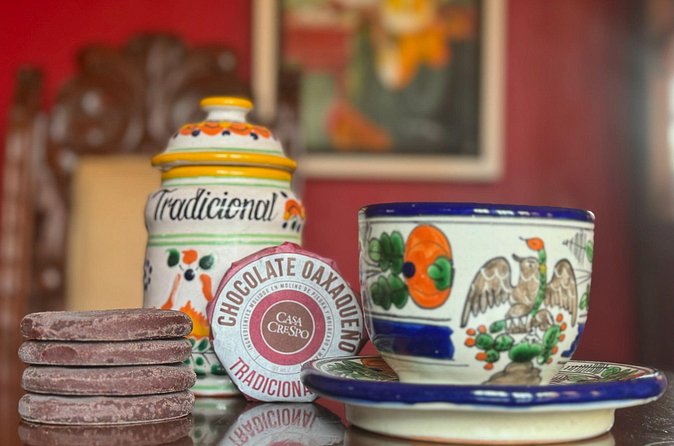
For dessert, the class includes hot chocolate. The mixing is straightforward: chocolate combined with water or milk. I like this kind of instruction because it trains you to think about texture and taste. Water gives a lighter feel; milk tends to mellow bitterness and round out the chocolate.
If you’re a hot chocolate person, this is a good chance to understand the ratio logic rather than guessing.
Inside the hour: how the lesson moves from beans to chocolate bars
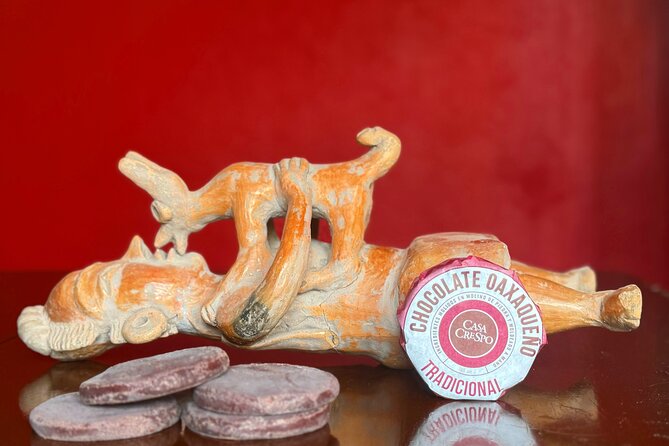
Your session runs about 1 hour, starting at 3:00 pm, and it ends back at the meeting point. In that short time, the pace is intentional: you’ll learn the steps that set the flavor.
Here’s the typical flow you can expect:
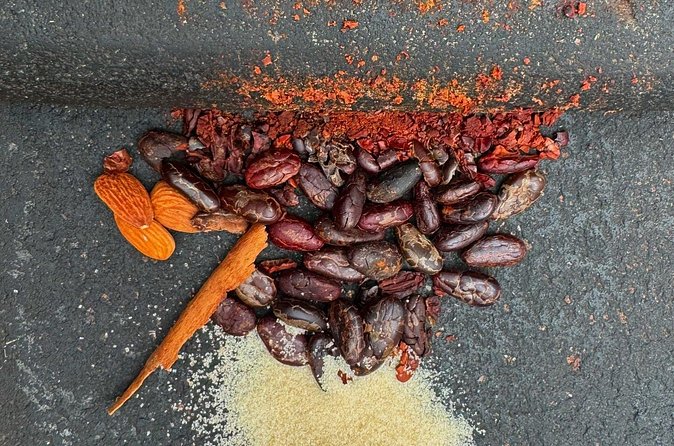
- You’ll toast cacao beans.
- You’ll grind them.
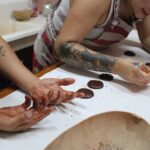
- You’ll form chocolate bars.
- Then you’ll use that foundation to make a simple mole and hot chocolate.
You can also read our reviews of more tours and experiences in Oaxaca City

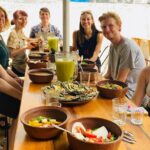
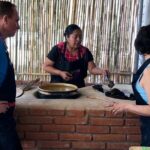

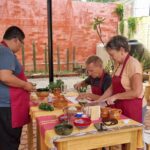
Toasting cacao beans (where aroma becomes flavor)
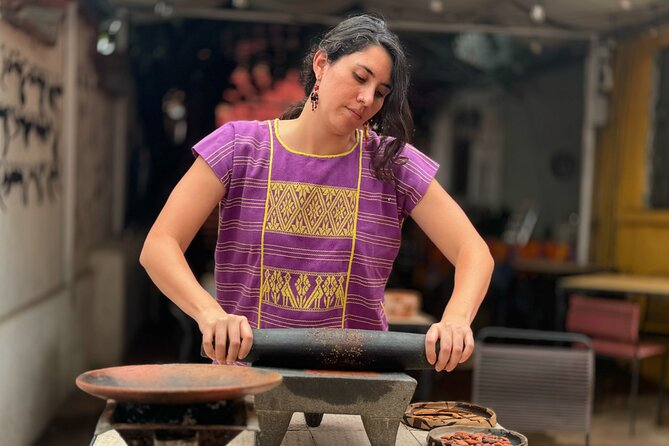
Toasting is not a random step. It’s where cacao shifts from raw cacao character toward roasted, chocolatey notes. In a short class, this is also a smart teaching moment because you can smell the difference immediately.
Grinding chocolate (texture is the whole game)
Grinding turns toasted cacao into something you can work with. You get a hands-on sense of how texture affects what comes next—especially when you later use the chocolate in a sauce and a drink.
Making chocolate bars (so you understand the form)
Chocolate bars sound like a final product, but in this class they’re more like a training checkpoint. Once you understand how the cacao turns into a workable chocolate base, you’ll better grasp how it contributes to mole thickness and hot chocolate body.
The tasting payoff: mole over chicken and chocolate dessert
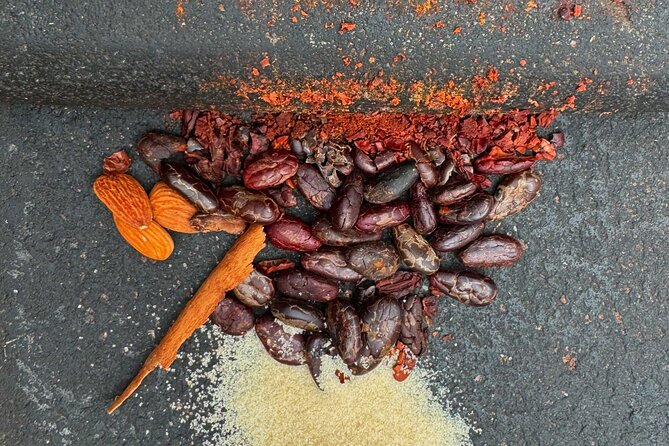
The best classes end with you eating what you made. Here, you’re not left with only theory.
The sample menu includes mole (with chicken suggested as the serving pairing) and hot chocolate. One of the experiences you provided also mentioned chocolate ice cream as a dessert alongside the class’s chocolate-making results. Even if the exact menu can vary slightly, the intent is consistent: your chocolate work should end up as food you can share and taste.
That “learn it, then eat it” structure is where the value really shows. It’s easy to learn a step in a kitchen. It’s harder to connect it to flavor in your mouth. This class does both.
Price and value: $40 for a small-group, hands-on cocoa workshop
At $40 per person for about 1 hour, you’re paying for a few things at once:
- A licensed guide who teaches the process
- Snacks included
- A small group size (maximum 14), which supports hands-on time
- Ingredients and equipment to toast, grind, and create the chocolate base
If you compare this kind of experience to generic tastings, the key difference is participation. You’re doing the steps that most classes skip, like grinding and turning cacao into a chocolate bar. That makes the $40 feel more like a workshop fee than a museum-style ticket.
And because it’s only an hour, it’s also a practical add-on. You can fit it into an afternoon in Oaxaca City without rearranging your whole day.
Meeting point and timing in Oaxaca City (so you don’t waste time)
Your start point is Casa Crespo, Reforma 808, Ruta Independencia, Centro, 68000 Oaxaca de Juárez, Oax., Mexico. The class starts at 3:00 pm and returns to the meeting point when it ends.
It’s listed as near public transportation, and you’ll receive confirmation at booking time. You’ll also use a mobile ticket. That combination is helpful if you’re walking around Centro and want a straightforward rendezvous.
Practical tip: arrive a few minutes early. With any hands-on cooking class, you want time for settling in, finding your station, and getting a quick overview before the chocolate starts moving.
Who this class is for (and who might want something else)
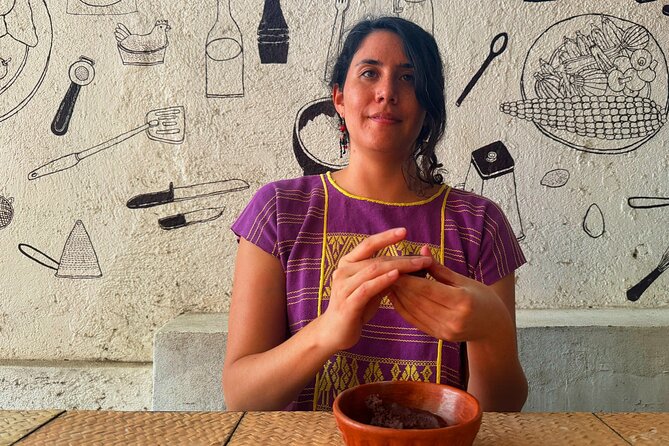
This is a great fit if you want food learning that’s tactile, fast, and directly tied to flavor. It’s also a strong option if you prefer instruction in English, since the class is offered in English.
I’d especially recommend it for:
- Couples or small groups who like interactive activities
- People who want Oaxaca food culture explained in plain terms
- Anyone who likes chocolate and wants to understand how cacao becomes mole and drinks
It may be less ideal if you want a long cooking experience with lots of recipes to take home, because the time window is about an hour. You’ll learn the process and eat the results, but the class is still built to stay focused and quick.
Tips to get the most from your chocolate-making hour
No fancy prep required, but a few choices will make the experience smoother.
- Go hungry. Even with snacks included, you’ll taste what you make, and it’s more fun when you’re ready for it.
- Expect hands-on work with cacao. You might get a little cocoa residue on sleeves or hands, so wear something you don’t mind.
- Bring questions about flavor. If you’re curious why mole has chile heat plus chocolate depth, ask during the guide’s explanation.
- Plan for an afternoon rhythm. Since it starts at 3:00 pm, treat it like your mid-afternoon food activity, then eat a lighter meal afterward if needed.
Should you book this Oaxaca chocolate class?
I think it’s worth booking if you want more than a quick tasting and you like learning by doing. The “toast → grind → chocolate bars → mole and hot chocolate” structure gives you a clear chain of cause and effect. And with snacks included plus a small group size of up to 14, you’re more likely to actually understand the steps instead of just watching.
You might skip it if you’re searching for a long cooking course or a full-day Oaxaca food tour with multiple stops. This one is focused, short, and hands-on—exactly what it advertises, and that’s the strength.
If you’re in Oaxaca City and you’re even mildly interested in cacao, mole, or just learning how hot chocolate gets its character, this is a practical way to spend an hour.
FAQ
Where is the meeting point for the class?
The class meets at Casa Crespo, Reforma 808, Ruta Independencia, Centro, 68000 Oaxaca de Juárez, Oax., Mexico. The tour ends back at the meeting point.
What time does the class start, and how long is it?
It starts at 3:00 pm and lasts about 1 hour.
Is the class offered in English?
Yes, the class is offered in English.
What’s included during the experience?
It includes snacks and a licensed guide. The class also covers making mole and hot chocolate.
How big is the group?
The class has a maximum of 14 travelers.
Is the experience refundable?
No. It’s non-refundable and cannot be changed for any reason.
Is a service animal allowed?
Yes, service animals are allowed.