REVIEW · OAXACA DE JUAREZ
Oaxaca: Oaxacan Mole Workshop with a Traditional Cook
Book on GetYourGuide →Operated by Etnofood · Bookable on GetYourGuide
Mole starts in the market, not the kitchen, and this class makes that obvious. I like how you shop local produce and chilies with a guide (often including Victor Ramirez), then jump straight into hands-on cooking. I also love the way you’re taught the story behind Oaxacan mole, not just the recipe.
One thing to think about before you book: the plan includes a walk to the market and a full 3.5-hour working session. If you have back issues or low fitness, this may not feel good, and it’s not set up for kids under 10.
In This Review
- Key things to know before you go
- Oaxaca mole workshop: why this one teaches more than recipes
- Finding FILOTEO and planning for the market walk
- Market tour: how Oaxaca cooks choose ingredients
- In the kitchen: how the mole actually comes together
- Cooking sides and dessert: the payoff meal
- Mezcal for adults, water for everyone: drinks and pacing
- Price and value: is $64 a fair deal in Oaxaca?
- Who should book this mole workshop, and who should skip it
- What to bring and how to get the most out of it
- Should you book this Oaxaca mole workshop?
- FAQ
- How much does the Oaxaca mole workshop cost?
- How long is the class?
- Where is the meeting point?
- What languages is the live guide available in?
- Is the group small?
- What’s included with the meal and drinks?
- Do I need to bring anything?
- Is there walking involved?
- Is transportation included?
- What’s the refund policy?
- Is it suitable for children?
Key things to know before you go
- Market tour first: You pick ingredients on-site, which makes mole flavors feel less mysterious later.
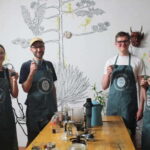
- Small group feel: It’s limited to 4 participants, so you’re more likely to be hands-on than watching.
- Mole plus more than mole: You’ll make mole and also cook a main course and a typical Oaxacan dessert.
- Culture through food: You get history and cultural context tied to the ingredients and technique.
- Chef-led, question-friendly: You’ll get real-time feedback and time to ask questions.
- Drinks included for adults: Mezcal comes with the meal for ages 18+ (and fruit-flavored water is included).
Oaxaca mole workshop: why this one teaches more than recipes
Oaxacan mole can feel intimidating until you see how the ingredients behave together. This workshop is built to remove that mystery by starting with the source: the market. You learn what ingredients matter, how they’re used, and why certain flavor combinations make sense in Oaxaca.
A lot of cooking classes teach steps. This one leans harder on context. The chef explains the history and culture of Oaxacan mole while you cook, so you understand why chilies, spices, cacao, herbs, and regional touches aren’t random. You’re also told cooking tips and tricks as you go, so you can repeat the basics at home even if you can’t find the exact same peppers.
Even better, the class is designed as a sensory experience. You taste at the end of the session, but you also pay attention along the way—aroma while things toast, texture as sauces thicken, and how finished mole changes once it’s paired with the main course.
You can also read our reviews of more tours and experiences in Oaxaca De Juarez

Finding FILOTEO and planning for the market walk
The meeting point is in Downtown Oaxaca: you’ll meet about five blocks from the City Zócalo at Xicotencatl Street 609, near a Foodlab with a sign called FILOTEO and a large dog on the facade.
This matters because you’re not just arriving to a kitchen. You’ll walk to the market as part of the experience. The activity calls for a moderate fitness level, so wear comfortable shoes and expect some time on foot. If your knees or back are touchy, treat the walk seriously. Once you’re at the kitchen, you’ll also be standing and chopping more than you might expect.
Timing-wise, the workshop runs about 3.5 hours, and that time is doing real work: market walking, ingredient picking, prep, cooking, then eating what you made.
Market tour: how Oaxaca cooks choose ingredients
The market stop is where the class earns its keep. Instead of listing mole ingredients and hoping you can spot them later, you learn what to buy and why.
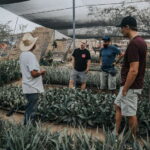
You’ll get fresh, quality ingredients for your mole. The chef guide helps you choose items at the stalls—especially fruits and vegetables and the regional ingredients that make Oaxaca food taste like itself. You also learn how different chilies and local products show up in Oaxacan sauces and flavor blends.
What I like about this approach is that it trains your eye and your nose. You start paying attention to things like color, aroma, and how ingredients feel when handled. Later, back in the kitchen, those cues make the cooking steps easier to understand. You’re not guessing.
The market also adds the social side of Oaxaca cooking. One of the best parts of the experience is how the guide shares local, handmade specialities and talks about Zapotec traditions through food and ingredients. In past sessions, guides like Victor Ramirez and others on the team (including Wendy in some runs, and Quetzalli in others) have made the market walk feel like a cultural lesson, not a shopping chore.
In the kitchen: how the mole actually comes together
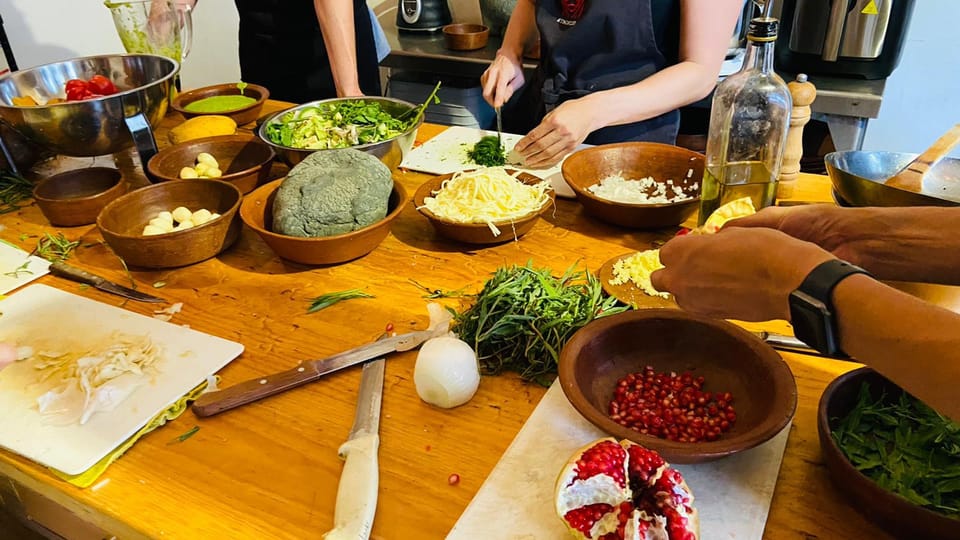
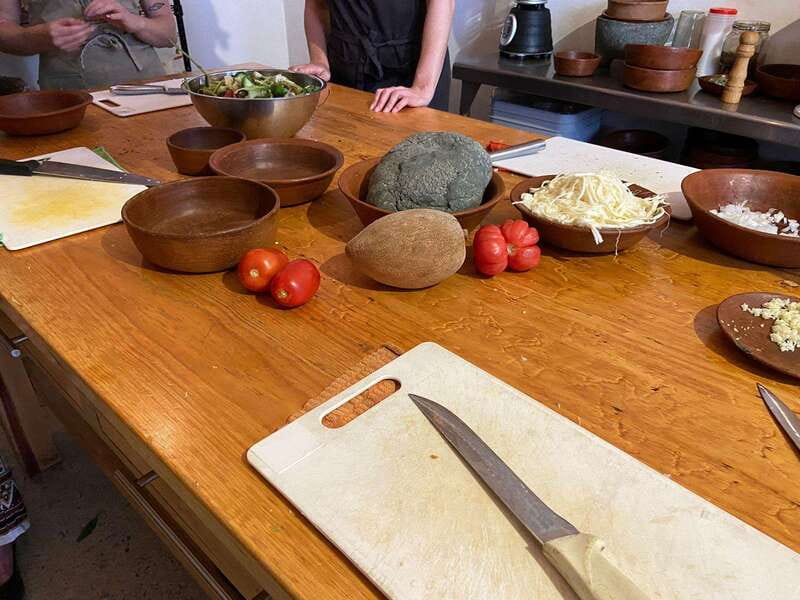
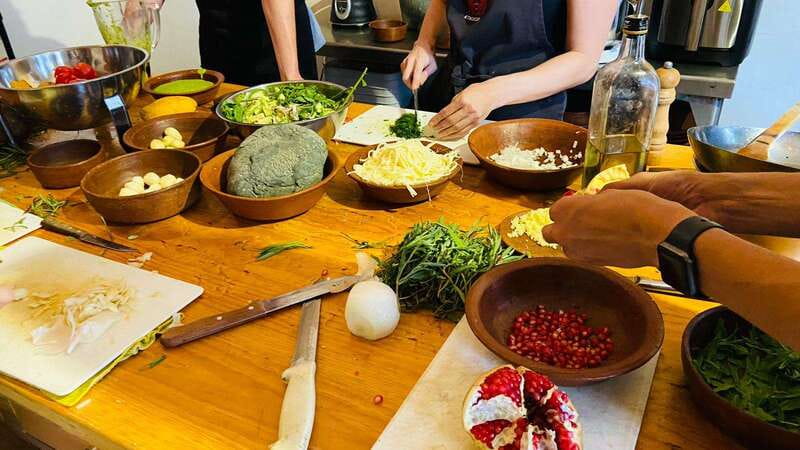
Once you’re back in the cooking space, the class becomes practical. You learn to prepare Oaxacan mole using authentic methods, and you’ll cook with guidance the whole time.
The workshop structure tends to follow a pattern:
- ingredient prep and technique practice
- building the mole flavor base (with sauce-making steps that take time)
- cooking and finishing until it tastes right
- pairing mole with a main course
You’re also not stuck on mole alone. The description says you’ll pair mole with an exquisite main course and also cook a typical Oaxacan dessert. Based on real class outcomes, you may also work on things like tortillas, quesadillas, pico de gallo, and different salsas—often alongside the mole—so you leave with a bigger picture of how Oaxacan meals hang together.
One small caution: some sessions focus on green mole rather than darker mole. If dark mole is your target, ask directly what version you’ll be making on your date. A couple of past participants noted that a green mole approach can mean more blending and herb/vegetable-forward cooking, which may not match the exact mole style some people expect from the word mole.
Still, even if the mole style shifts, the learning remains useful. You come away with technique and ingredient logic, not just a finished dish.
Cooking sides and dessert: the payoff meal
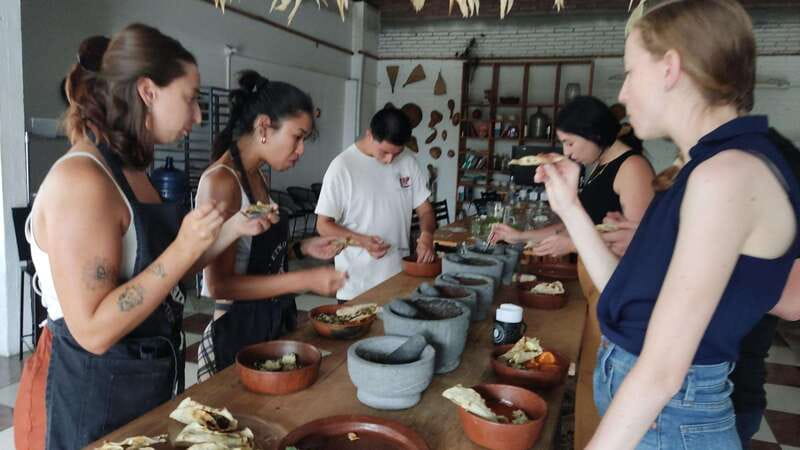
The tasting is the moment you’ll remember. Not because it’s a dramatic show, but because it’s the final proof that the ingredients you picked actually work.
At the end, you taste the mole you prepared, and the session includes a full meal feel: mole plus a main course, plus a typical Oaxacan dessert. The class description also mentions “many culinary secrets” and a surprise locally grown ingredient that adds a twist—something like a herb or exotic fruit that highlights the nuances of Oaxacan cuisine. That “local ingredient” component is a clever way to keep the workshop from feeling copied from one version to another.
One thing to plan for: you’ll likely eat a decent amount. Several people described the class as hands-on and busy from start to finish, with the group cooking enough food to feel like lunch (or more). If you have a sensitive stomach, go in knowing the meal is substantial, since you’ll be using fresh, flavorful ingredients and cooking them from scratch.


Mezcal for adults, water for everyone: drinks and pacing
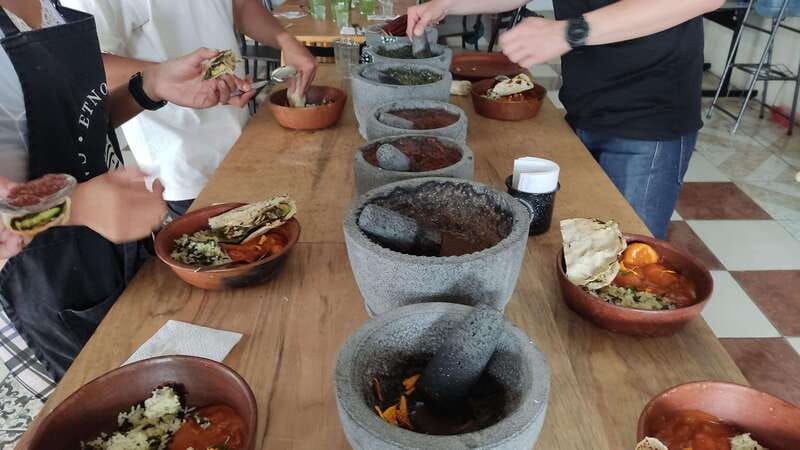
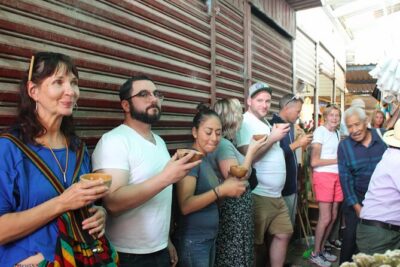
Mezcal is included for ages 18 and above, meant to accompany the mole. Seasonal fruit-flavored water is also included. The rules specify no alcohol or drugs, but since mezcal is part of the provided experience for adults, you’re not expected to bring your own drinks.
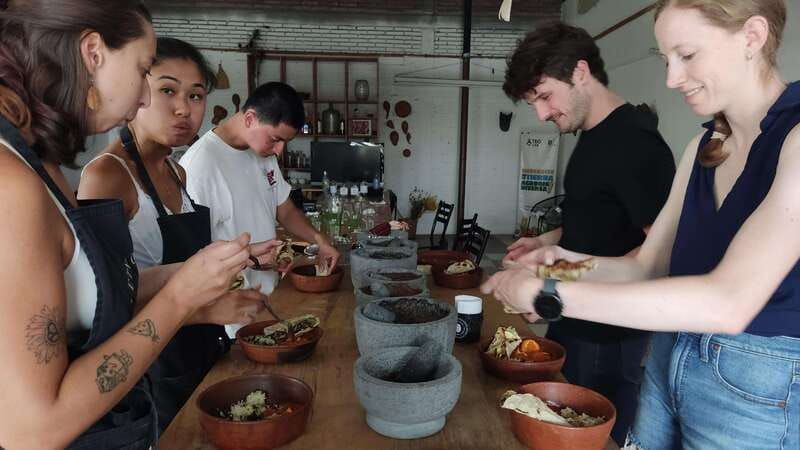
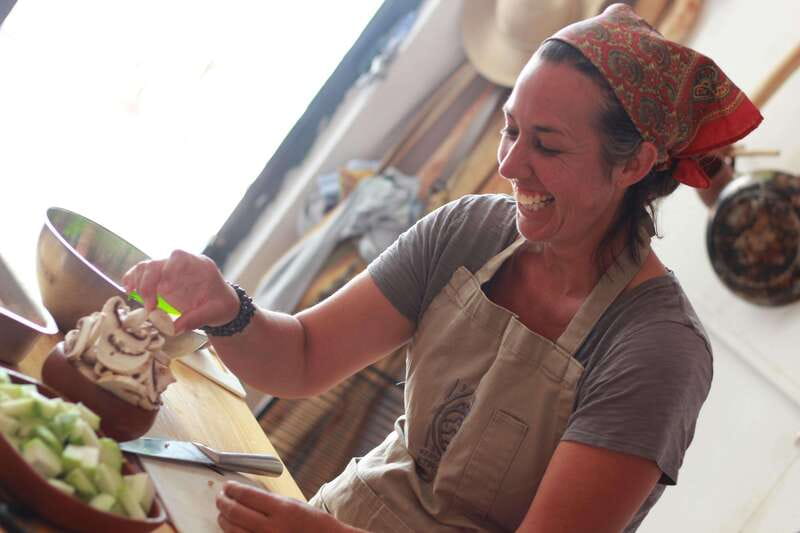
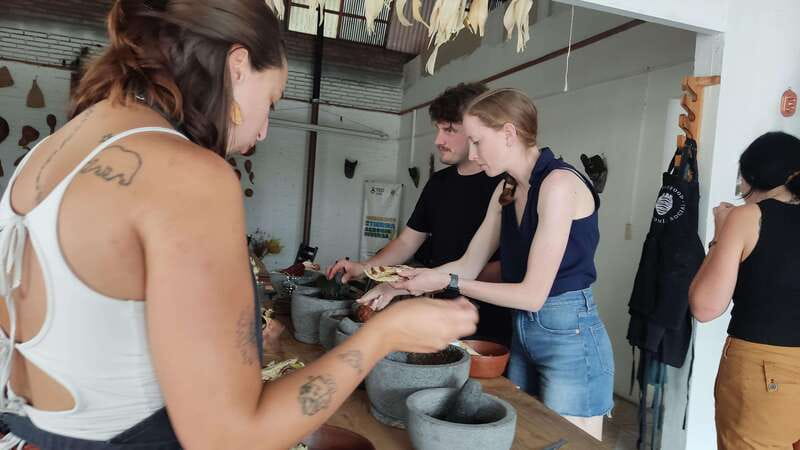
The pacing is hands-on. The class is designed for small groups, and the chef and team provide real-time feedback as you cook. That’s why people often say it feels fun and not too complicated, even for beginners. Tasks get shared, so you’re not stuck waiting for someone else to do all the work.
In one-off situations, the class can even be private. There have been cases where a single participant did the market tour and cooking just for that person, which shows the team adapts. Even when you’re not solo, the small group size helps keep the experience interactive.
Price and value: is $64 a fair deal in Oaxaca?
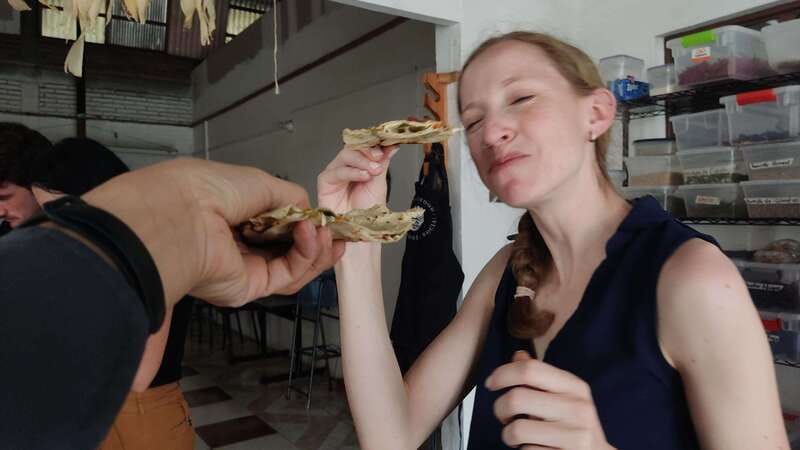
At $64 per person for about 3.5 hours, you’re paying for more than a plate of mole. You’re paying for:
- market time and ingredient selection
- chef instruction and cooking support
- utensils and cooking tools
- the meal you cook and taste
- cultural and historical context tied to the food
The big value lever here is ingredient education. Mole relies on multiple components and careful building blocks. If you’ve ever tried to reproduce mole at home without the right peppers, spices, cacao, or technique, you know it can go wrong fast. This workshop helps you learn what matters, so your next attempt doesn’t become a guessing game.
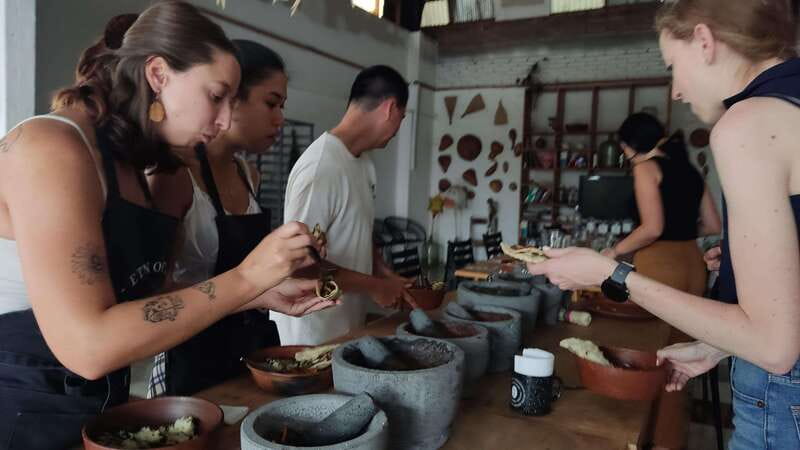
Also, this isn’t a cooking class where you only chop one ingredient and then watch. Reviews consistently describe a hands-on experience with people chopping, frying, mixing, and cooking together. That makes the price feel more like a meal lesson than a staged show.
Could it be expensive compared with a cheap taquería lunch? Yes. But it’s not pretending to be that. You’re paying for a kitchen experience anchored in Oaxaca shopping and technique, plus mezcal/water for adults.
Who should book this mole workshop, and who should skip it
This fits best if you:
- want an authentic Oaxaca food experience that’s more than restaurant sightseeing
- enjoy learning the why behind ingredients, not just copying steps
- like working with your hands—chopping, mixing, cooking, and then eating
It’s also a good match if you like small-group dynamics. The experience is limited to 4 participants, which generally means more direct guidance and more chance to participate in key tasks.
Skip it (or reconsider) if you:
- have back problems or low fitness due to the market walk and standing/cooking time
- are traveling with kids under 10
- want a very light, easy activity—this one is active and structured
If you’re chasing a specific mole style (like darker mole), check what you’ll cook on your date. The class can lean greener in some versions, based on past experiences.
What to bring and how to get the most out of it
Bring comfortable shoes. You’ll be walking to the market, and you’ll be on your feet in the kitchen.
To get more out of the learning, come with curiosity. Ask why the guide chooses certain chilies or local produce. Pay attention to textures and aromas during cooking. You’ll understand the mole faster if you treat it like a process, not a finished product.
If you’re drinking mezcal, keep it responsible. The included alcohol is part of the tasting, but the activity still involves cooking and walking.
Should you book this Oaxaca mole workshop?
I think this is a strong booking choice if your Oaxaca plan includes one “hands-on, learn-and-eat” experience. The market-to-kitchen format is smart. It turns mole from a complicated restaurant mystery into something you can explain, taste, and recreate in part.
Book it if you want:
- market ingredient education tied to Oaxaca and Zapotec food culture
- a small-group cooking session with a real chef and time for questions
- a full meal payoff: mole plus main course and dessert, with mezcal for adults
Skip or ask questions first if:
- you have low fitness or back issues (the market walk and cooking time are real)
- you’re very picky about the exact mole style you expect
If you fall into the first group, this is the kind of class that sticks with you. Not just because you ate mole, but because you learned how Oaxaca cooks build flavor from the ground up.
FAQ
How much does the Oaxaca mole workshop cost?
It costs $64 per person.
How long is the class?
The duration is 3.5 hours.
Where is the meeting point?
You meet about five blocks from the City Zócalo on Xicotencatl Street 609, Downtown District. Look for the Foodlab sign called FILOTEO outside, and a large dog on the facade.
What languages is the live guide available in?
The live tour guide speaks English and Spanish.
Is the group small?
Yes. The activity is designed as a small group limited to 4 participants.
What’s included with the meal and drinks?
You’ll get fresh ingredients, cooking utensils and tools, instruction on making mole, and a tasting at the end. Mezcal is included for ages 18 and above, plus seasonal fruit-flavored water.
Do I need to bring anything?
Wear comfortable shoes.
Is there walking involved?
Yes. The activity includes a walk to go to the market, so it requires a moderate level of physical fitness.
Is transportation included?
No. Transportation to and from the class venue is not included.
What’s the refund policy?
Free cancellation is available up to 24 hours in advance for a full refund.
Is it suitable for children?
No. It’s not suitable for children under 10 years.