REVIEW · OAXACA CITY
Private Tour, all inclusive: Tlacochahuaya, Mezcal, Teotitlán del Valle
Book on Viator →Operated by Guide Oaxaca · Bookable on Viator
Craft, color, and mezcal in one day.
This private all-inclusive tour is a smart way to see Oaxaca beyond the usual highlights, mixing weaving traditions, a Dominican church complex, and a real mezcal stop into one smooth loop outside the city. I like that you get an official guide who can explain the why behind what you’re seeing, not just the what. You’ll also have the freedom of a small, private-group format to set a comfortable pace as you go.
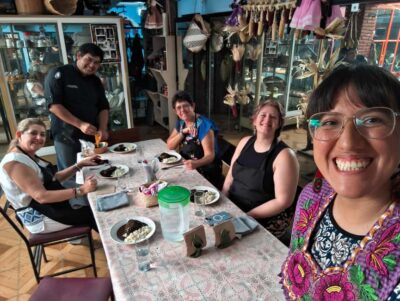
You’re also getting true value in the basics: pickup is offered, you ride in private transportation, bottled water is included, and the entrance tickets are handled for each stop. The day also includes traditional mezcal at the distillery plus studio or workshop time tied to Oaxaca’s craft culture.
The main thing to watch is time. Each stop is sized for a first visit, not a long stay, and lunch isn’t included, so plan for meals and snacks of your own between craft moments.
In This Review
- Key things you’ll notice on this Oaxaca private day
- A private Oaxaca day built around craft, color, and mezcal
- Price and logistics: why $199 can feel fair
- The pacing question: how to use 7 to 8 hours well
- Teotitlán del Valle: wool rugs, natural dyes, and art references
- San Jerónimo Tlacochahuaya: Dominican frescoes on older foundations
- Mezcal Don Agave: agave fields, distillation facilities, and your included taste
- Casa Viviana: honey scents and quiet street craft time
- Pantaleón Ruiz Studio: etchings and collaborative metal sculpture
- Guide quality: what Rosario’s style points to
- Tips, meals, and smart packing for the day
- Who should book this tour, and who might skip it
- Should you book this Teotitlán del Valle, Tlacochahuaya, and Mezcal private day?
- FAQ
- What does the $199 price include?
- Is pickup from Oaxaca City offered?
- How long is the tour?
- Is lunch included?
- Are admission tickets included for the stops?
- What should I know about cancellation and tips?
Key things you’ll notice on this Oaxaca private day
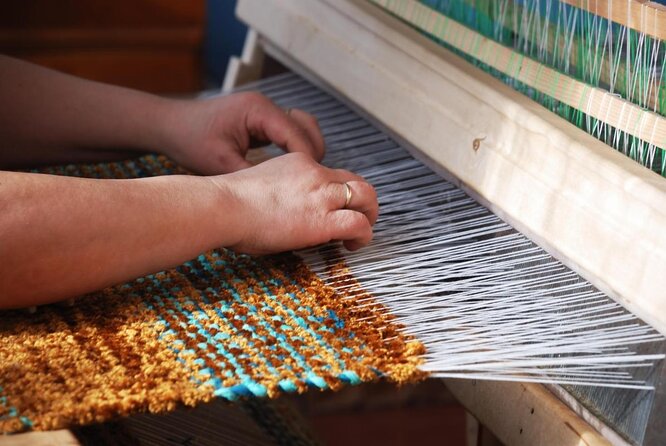
- Teotitlán del Valle weaving: wool rugs tied to natural dyes and local color traditions
- San Jerónimo Tlacochahuaya frescoes: religious art on top of a pre-Hispanic temple, using cochineal
- Mezcal Don Agave tasting: a real distillery visit with an included traditional drink
- Casa Viviana: honey and burning wood smells in a quiet Teotitlán del Valle street setting
- Pantaleón Ruiz Studio: etchings plus collaborative metal sculpture, done by a working local artist
A private Oaxaca day built around craft, color, and mezcal

This isn’t a checklist tour. It’s built like a day of sensory clues: color comes first, then sacred wall paintings, then the grassy-sweet world of agave, and finally art made by working artists nearby. If you like Oaxaca for its making—textiles, dye, craft, and spirit—this kind of route makes a lot of sense.
The private setup matters more than you might think. You’re not stuck waiting for the slowest person in a crowd, and you can pause where your curiosity wants to linger. You’ll be with a guide who speaks French, English, or Spanish, so you can actually follow the stories instead of relying on guesswork.
At $199 per person, the value comes from what’s bundled: transport, bottled water, guide, and entrance tickets. That kind of “no surprises” structure is exactly what I look for when I’m trying to spend my day sightseeing instead of doing admin.
You can also read our reviews of more private tours in Oaxaca City



Price and logistics: why $199 can feel fair
Let’s talk straight money. At $199 per person for a 7 to 8 hour private day, you’re paying for a guide who’s with you the whole time, plus private transportation between sites. You’re also not paying extra for admission at the stops, which adds up fast in Oaxaca when you’re hopping between areas.
Included items that reduce your mental load:
- guide in French/English/Spanish
- private transportation
- bottled water
- entrance tickets to all visiting sites
- the included mezcal traditional drink at the distillery
Not included items that you should plan for:
- lunch
- tips
If you’re the type who likes to know exactly what you’ll spend before you arrive, this setup is a win. You’re still responsible for your meals and gratuity, but the big-ticket items are already taken care of.
The pacing question: how to use 7 to 8 hours well
A day like this moves. That’s the tradeoff for covering Teotitlán del Valle, San Jerónimo Tlacochahuaya, and mezcal in one outing. Each stop is timed for a meaningful visit, but not for a long ramble that turns into a whole second day.
My practical advice: wear comfortable shoes and plan to travel light. This route includes short windows where you’ll want to ask questions and look closely at details—like the fiber texture in woven rugs or the material story behind church frescoes—so you’ll get more from the day if you’re not fighting heavy bags or awkward clothing.
One more tip: if you know you’ll need a midday meal, bring a simple snack plan. Lunch isn’t included, and the day is structured so you may not want to hunt for food in between craft stops at your own pace.
Teotitlán del Valle: wool rugs, natural dyes, and art references
You’ll start in Teotitlán del Valle, a town famous for weaving wool rugs and using natural dyes. This is where Oaxaca’s color culture becomes real, not abstract. You’ll see how wool turns into patterns through the process of dyeing and weaving, and you’ll likely spot how the local palette is part of the identity of the craft.
A fun detail you should pay attention to: you can find reproductions of works by well-known artists like Tamayo, Frida Kahlo, Miró, Matisse, Toledo, and Picasso. That mix can be surprising at first—Oaxaca craft meets internationally recognized imagery—but it actually helps you understand how local makers interpret art in their own visual language.
The stop is about an hour, and that’s enough time to:
- understand what makes the dyes natural and distinct
- look closely at weaving style and texture
- browse rug designs and the way artists adapt famous images
What I like most here is the context. You’re not just buying a rug; you’re learning how the color comes from ingredients and how the craft lives in a community, not just a storefront.
San Jerónimo Tlacochahuaya: Dominican frescoes on older foundations
Next up is San Jerónimo Tlacochahuaya, a religious complex built by Dominican monks in the 16th century. The key detail is that it was built on the base of a pre-Hispanic temple. That layering matters. It’s not just a pretty church; it’s a place where eras overlap in the physical space.
Inside, you’ll focus on frescoes with features of indigenous people, painted using cochineal. Cochineal is the name to remember because it’s the bridge between a plant-based dye tradition and visible, long-lasting pigment in art. If you’ve ever wondered how color stays so strong in historical works, this is one of the explanations you’ll see in action.
This stop runs about 45 minutes. It’s long enough to take in the main visual elements and hear the cultural context, but short enough to keep the day from dragging. The only caution: this is a church complex, so go in with a respectful mindset, and expect it to be more about looking and listening than wandering around for hours.



Mezcal Don Agave: agave fields, distillation facilities, and your included taste
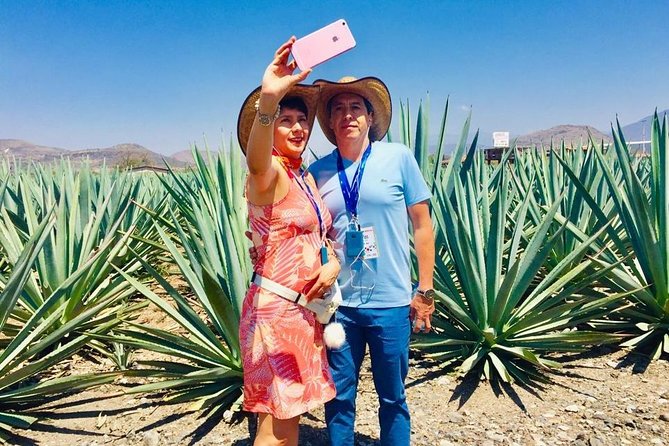
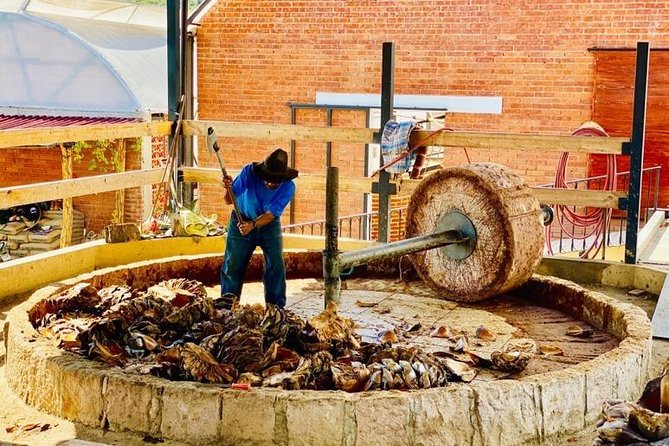
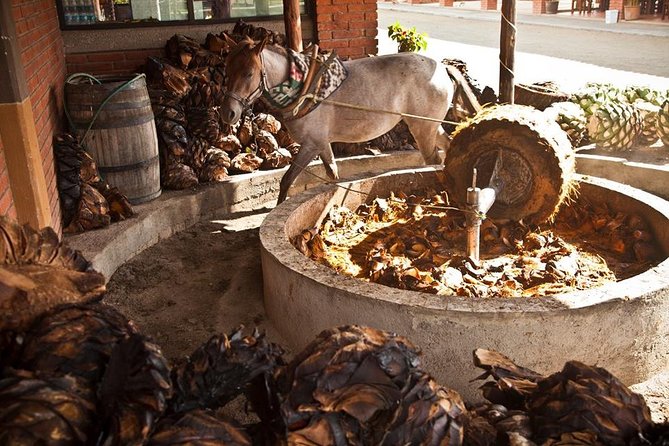
Then comes the mezcal part, and it’s set up in a way that actually helps the tasting make sense. You’re driving through the valley landscape where agave grows for mezcal production, and passing many distillation facilities is part of the experience. You’ll feel the geography of mezcal—fields, production sites, and the rhythm of how the spirit gets made.
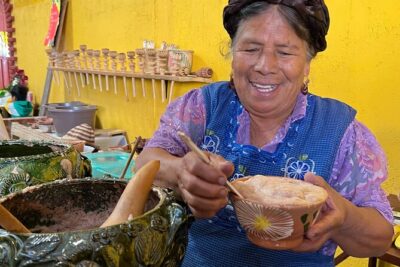
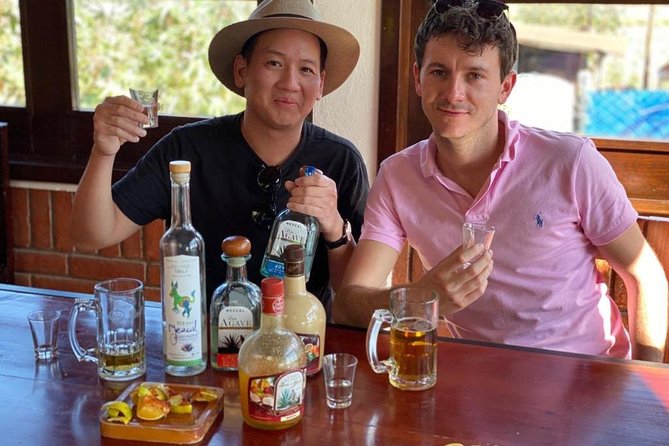
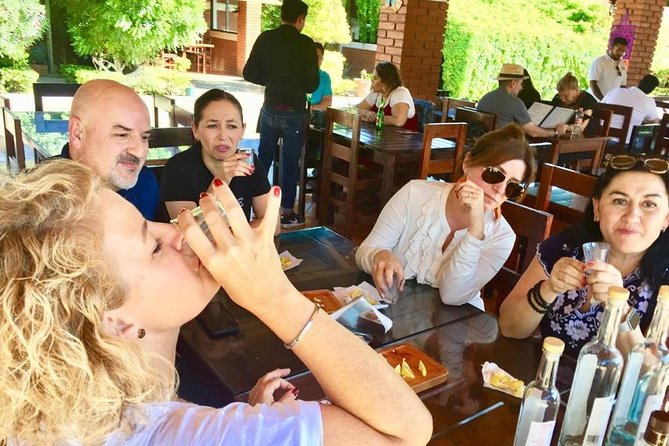
The stop at Mezcal Don Agave includes a traditional mezcal drink in the distillery, and the visit runs about 2 hours. That’s a useful amount of time because you can connect what you learned about agave and production conditions with what you’re tasting.
Here’s what to do during your included tasting:
- ask how the valley and ripeness of agave affects flavor (even a simple answer helps)
- take a breath before you drink; mezcal has a stronger aroma profile than many people expect
- don’t overthink it—just note whether it feels smoky, bright, or more earthy for your own reference later
I also like that this segment isn’t just about the bottle. The day frames mezcal as a local production story, not a tourist souvenir stop.
Casa Viviana: honey scents and quiet street craft time
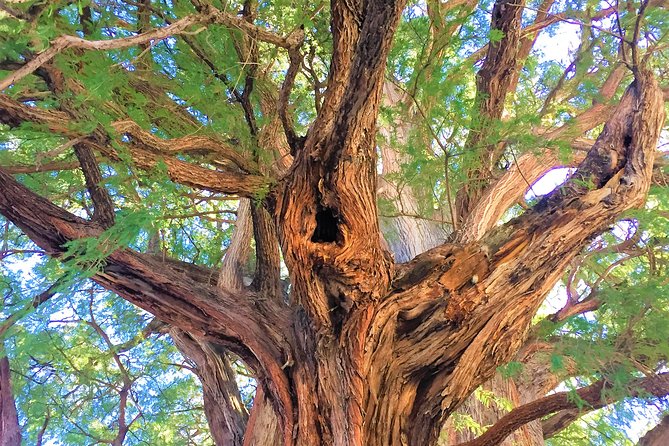
In Teotitlán del Valle, you’ll visit Casa Viviana, where the atmosphere is described in plain sensory terms: the smell of honey and burning wood fills the street. That detail tells you what kind of stop this is. It’s likely less about a big performance and more about a smaller, grounded experience in an Oaxacan town setting.
You’ll have about 40 minutes here, and the structure fits the day well. After the intensity of a church complex and the focused mezcal context, this is a calmer pause—an easy moment to slow down, notice how smells and daily sounds belong to the place, and ask a few questions without feeling rushed.
What I’d expect you to do: treat it like a cultural reset. Look around the quiet street context, take in the honey/burning wood aroma, and use your guide time to connect this kind of everyday tradition to the bigger craft-and-color theme of the day.
Pantaleón Ruiz Studio: etchings and collaborative metal sculpture
The final stop is Pantaleón Ruiz Studio, and it’s a strong closer if you care about art made by active local creators. This is one of those places where the craft is happening now, not just displayed.
You’ll learn about a multi-talented artist working in Oaxaca on etchings and on collaborative metal sculpture. The word collaborative matters here because it signals that art production can be community-based, not isolated. In practical terms, it also means the studio visit isn’t only about a single product; it’s about how different artistic skills can connect.
You’ll have about 45 minutes at the studio. That’s enough time to see what’s being made, learn how the process works, and browse pieces without the day turning into a marathon.
Guide quality: what Rosario’s style points to
One of the best parts of this tour format is how the guide shapes the day. The guide name Rosario comes up in feedback as someone who keeps the tour thorough, sharing interesting information and history while staying organized. That matters because the stops are layered—natural dyes, pre-Hispanic foundations, cochineal-painted frescoes, and then mezcal production.
If your guide does a good job, you leave with a clearer story of Oaxaca rather than random facts you forget the next day. In other words: it turns viewing into understanding.
Tips, meals, and smart packing for the day
This tour is structured so you shouldn’t hit extra charges beyond tips and meals. Still, you’ll want to treat lunch as your personal planning item. Bring water habits to match the full day, even though bottled water is included.
Small practical checklist:
- comfortable walking shoes
- a snack in case lunch runs later than you expect
- sun protection for outdoor valley driving
- cash for tips, since tips aren’t included
Also, since the tour runs 7 to 8 hours, plan your energy. You’ll be moving between town areas, doing short visits, and then finishing with studio time. Pace yourself even when you see something you love—you’ll get more from it if you don’t sprint through the details.
Who should book this tour, and who might skip it
Book it if:
- you want a private format with entrance tickets included
- you care about craft: textiles, dye, sacred art materials, and working artists
- you want mezcal with context, not just a quick sip in a shop
Skip it (or consider a different style tour) if:
- you only have a short attention span for art and process-focused stops
- you’re expecting a long, unhurried day at one single site
- you don’t want to plan lunch on your own
This is ideal for couples, friends, and solo travelers who want structure without feeling trapped. It’s also a good fit for people who like Oaxaca’s “making” side—where culture is seen in what people produce, not just what’s preserved behind glass.
Should you book this Teotitlán del Valle, Tlacochahuaya, and Mezcal private day?
Yes, if you want one day to connect Oaxaca City with three craft-driven realities: woven color in Teotitlán del Valle, fresco art tied to older foundations and cochineal pigment in Tlacochahuaya, and mezcal with a distillery visit that fits the story. The $199 per person price is easier to justify because transport, tickets, bottled water, guide time, and the mezcal tasting are built into the day.
My deciding question for you is simple: do you enjoy learning the “how” behind what you see? If the answer is yes, this private route is a strong value. If you prefer one huge monument stop over multiple shorter visits, you might feel the day is a bit packed. Either way, plan your lunch, wear good shoes, and go in curious about color, craft, and what Oaxaca makes—right now.
FAQ
What does the $199 price include?
It includes a French, English, or Spanish speaking guide, private transportation, bottled water, entrance tickets to all visiting sites, and a traditional mezcal drink at the distillery.
Is pickup from Oaxaca City offered?
Yes, pickup is offered.
How long is the tour?
The tour runs about 7 to 8 hours.
Is lunch included?
No, lunch is not included.
Are admission tickets included for the stops?
Yes. Entrance tickets to all visiting sites are included, and the first two stops specifically list admission tickets as free.
What should I know about cancellation and tips?
Tips and meals are not included. Free cancellation is available if you cancel at least 24 hours before the experience starts.